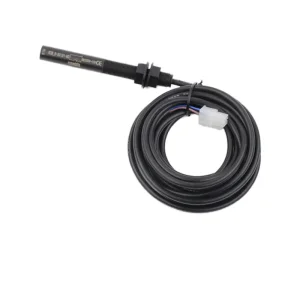
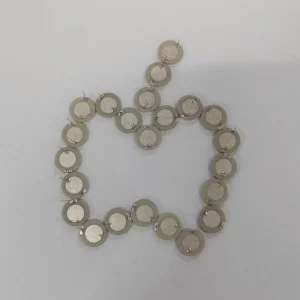
The global Oxygen Sensor (Lambda Sensor) industry is currently witnessing a transformative phase. As governments worldwide enforce stringent emission standards like Euro 7 and China 6b, the demand for high-precision sensors has skyrocketed. Oxygen sensors are no longer just exhaust components; they are the "digital nostrils" of the modern internal combustion engine (ICE) and hybrid electric vehicles (HEVs).
With the rise of the Circular Economy, there is a significant push for sensors that can maintain accuracy over longer lifecycles to reduce vehicle maintenance and environmental impact. Today, the global oxygen sensor market is projected to reach several billion dollars, driven by the increasing complexity of powertrain systems and the expansion of the automotive aftermarket in emerging economies.
Modern sensors are being integrated with AI-driven onboard diagnostic systems that predict failure before it occurs, ensuring optimal fuel efficiency and reduced carbon footprints.
As the world transitions to EVs, Hybrids (HEVs/PHEVs) remain a massive market. These vehicles require even more sophisticated sensors to manage the frequent start-stop cycles of the engine.
Transition from Zirconia-based to Titania and Planar sensor designs allows for faster "light-off" times, reaching operational temperature within seconds of starting the engine.
The pioneer of the oxygen sensor, Bosch remains the global leader in Tier 1 OEM supply. Their Planar and Wideband sensors are the industry gold standard.
Known for their high-precision manufacturing and long-lasting durability, Denso is a primary supplier for Toyota and many other Asian automakers.
Specializing in ceramic technology, NTK is one of the largest manufacturers of Oxygen and NOx sensors for heavy-duty and passenger vehicles.
Delphi offers advanced sensor designs that provide faster response times and improved accuracy in extreme environmental conditions.
Continental integrates oxygen sensors into their complete powertrain management systems, focusing on the synergy between hardware and software.
A powerhouse in the aftermarket, Walker provides one of the most comprehensive sensor coverage portfolios for both domestic and import vehicles.
Hella focuses on electronics and sensor technology, providing high-quality replacement parts that meet or exceed OEM specifications.
Specializing in fuel systems, Stanadyne produces sensors specifically designed for the rugged requirements of diesel and high-performance engines.
The primary supplier for GM vehicles, ACDelco sensors are trusted globally for their fit, form, and function in millions of American vehicles.
A rising leader in the global supply chain, OLO combines high-tech manufacturing with cost-efficiency, specializing in sensors for Hyundai, Kia, and various international brands.
Established in 2003 and located in Taizhou, China—the world's industry weathervane for automotive accessories—Taizhou OLO Auto Parts Co., Ltd. has spent over two decades perfecting the art of sensor manufacturing and wholesale. Our strategic location allows us to leverage a mature supply chain and cutting-edge logistics.
Our philosophy is rooted in "Integrity, Win-Win, Professionalism, and Sharing." Today, we boast a professional team and a stellar reputation, serving a vast network of high-quality partners across the globe. Under our flagship brand OLO, we have innovated to meet the rigorous demands of the modern auto parts market.
We are dedicated to being "Good Auto Parts People," bringing high-quality products and services to customers worldwide. Whether you are a distributor in Europe or a workshop in South America, our goal is your total satisfaction.
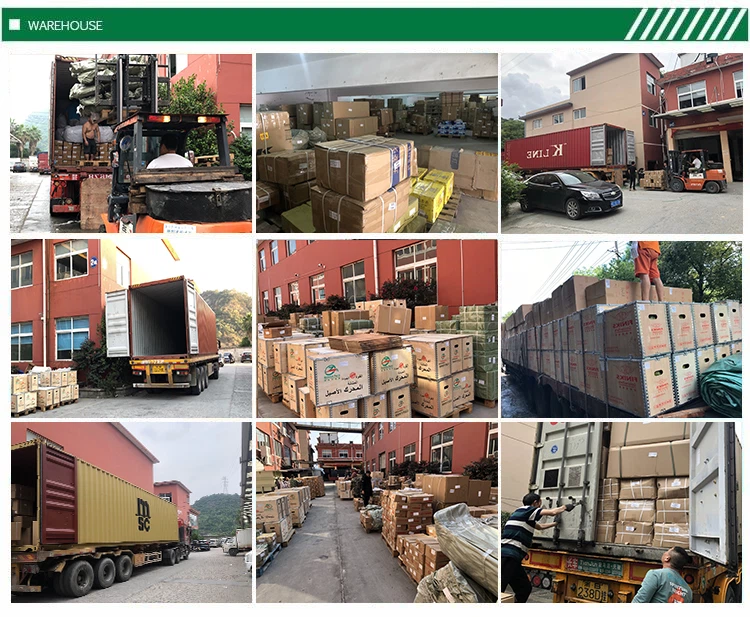
Factories in Taizhou can pivot production quickly to accommodate custom orders and new sensor models faster than traditional Western manufacturers.
Through economies of scale and advanced automation, we offer OEM-grade quality at a fraction of the cost, maximizing profit margins for distributors.
Leading Chinese factories like OLO adhere to ISO/IATF 16949 standards, ensuring that every oxygen sensor meets international safety and performance criteria.
Sincerely look forward to your cooperation

 OLO Auto Parts