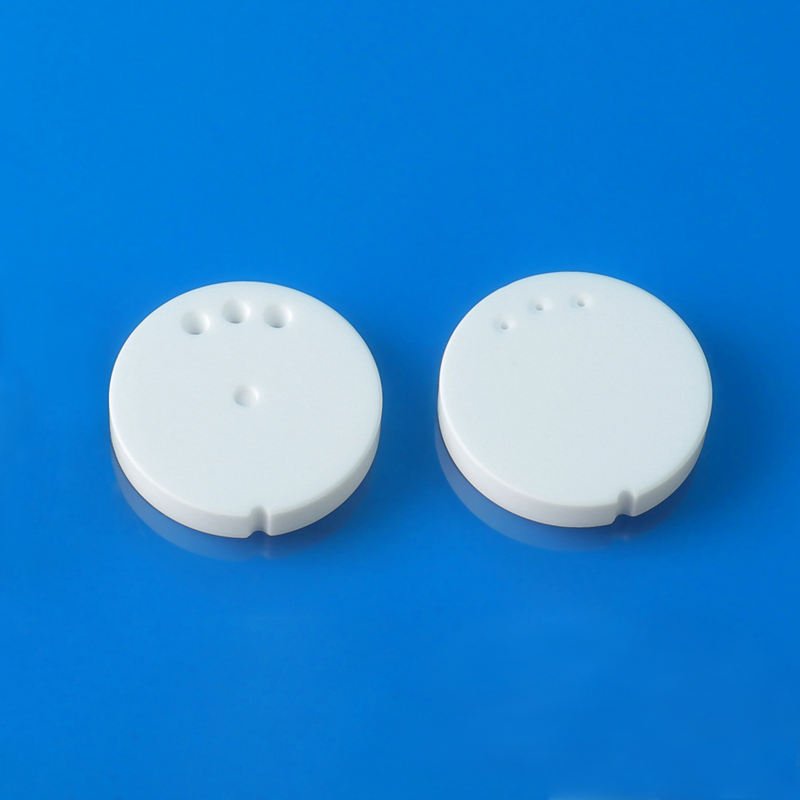
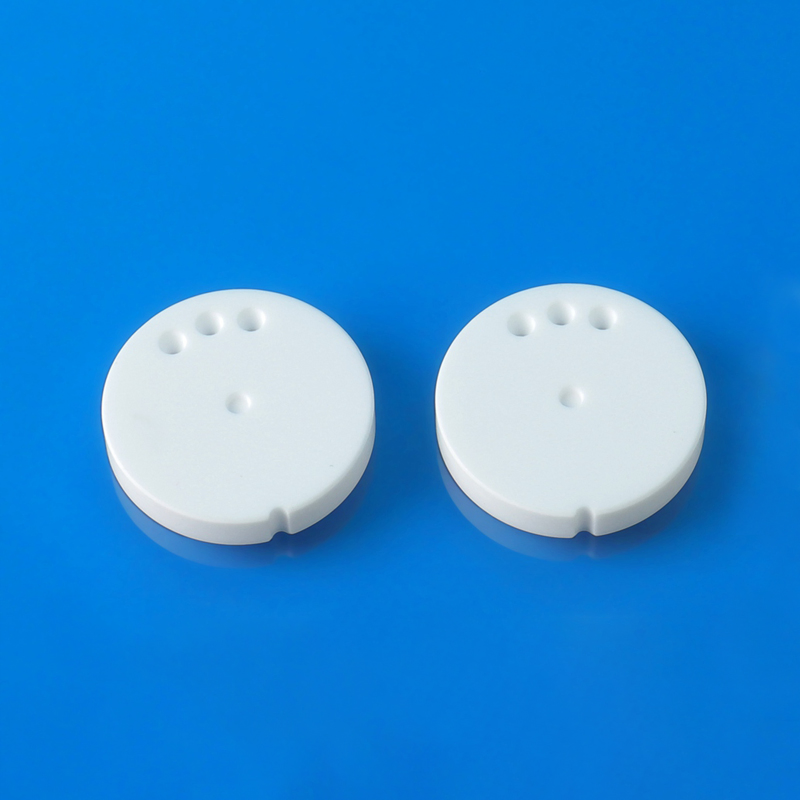
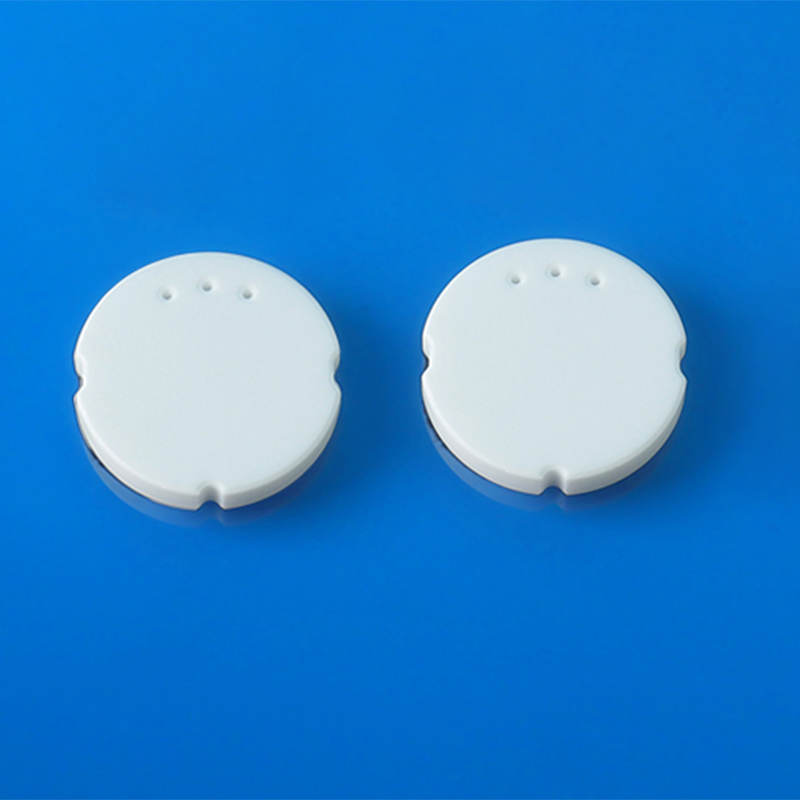
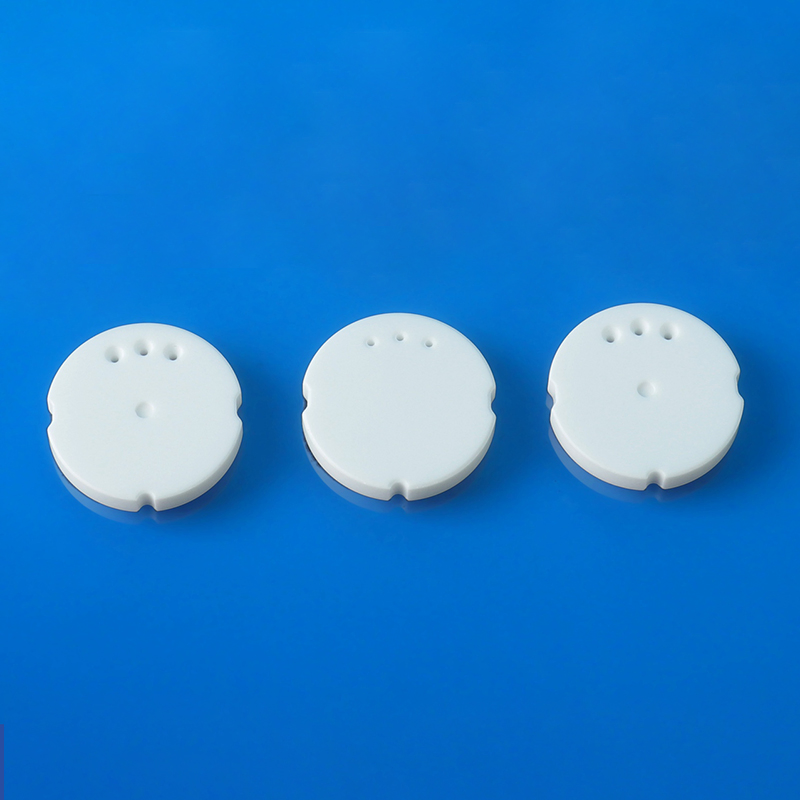
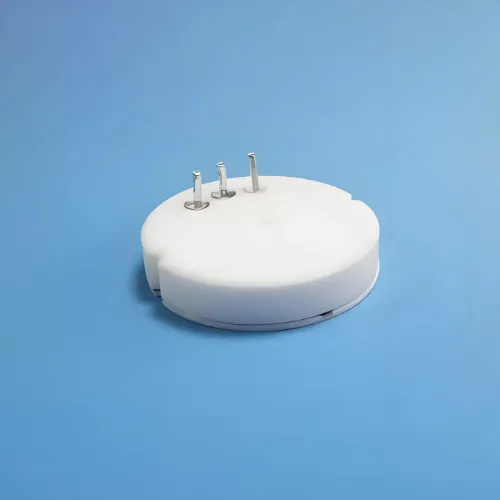
Factory Price Air Conditioning Engine System Parts Ceramic Base Pressure Sensor Components
🟦 Basic Info.
Shape
Standard / Customized
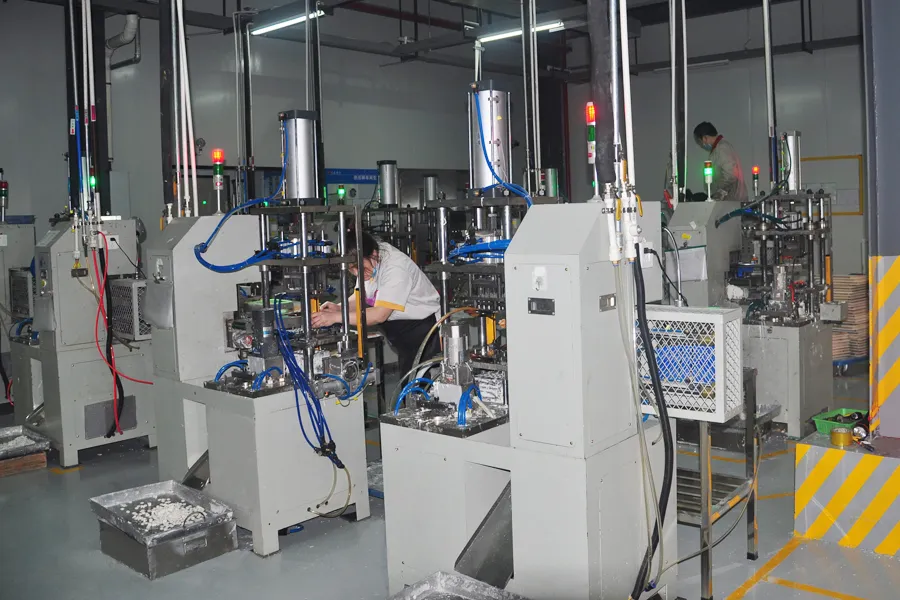
Forming Process
Dry Pressing
Product Type
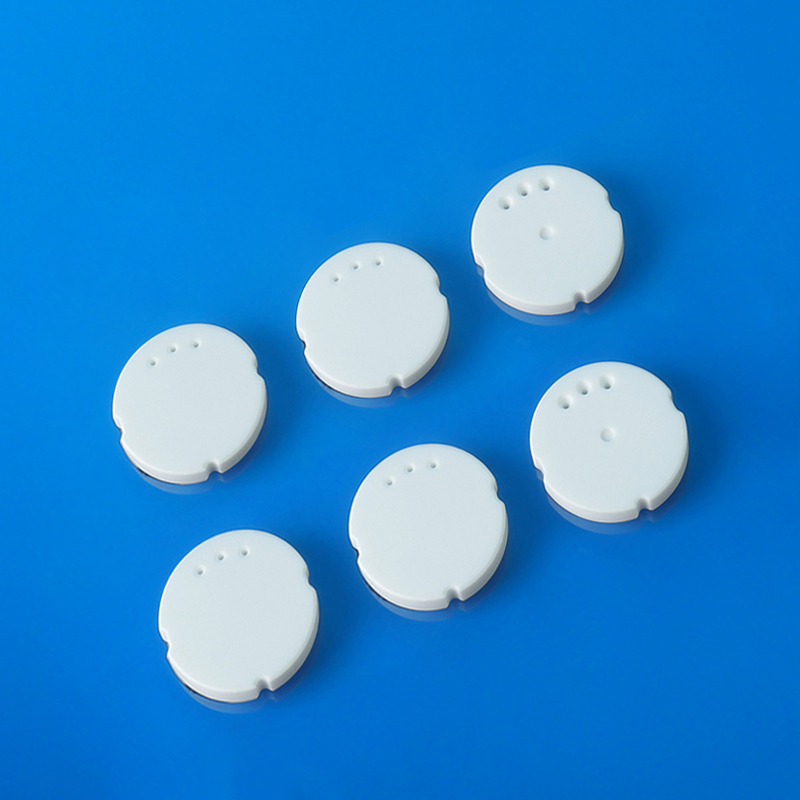
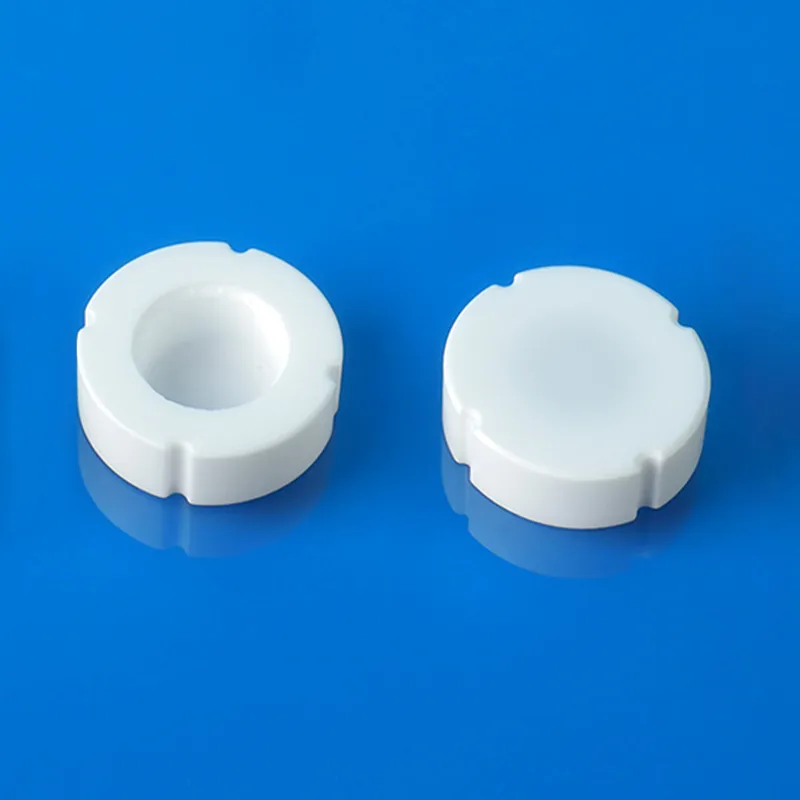
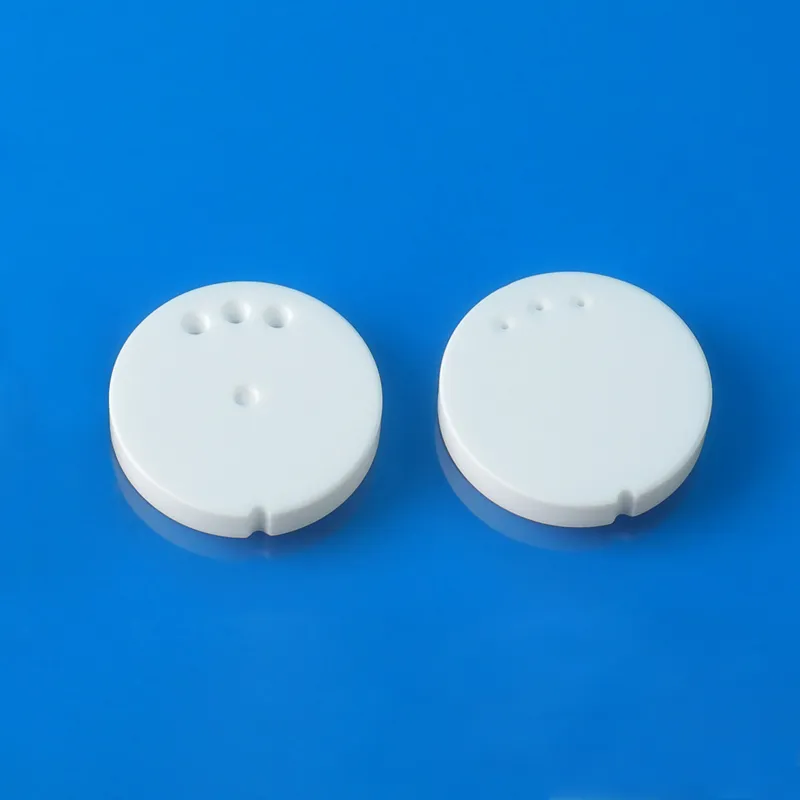
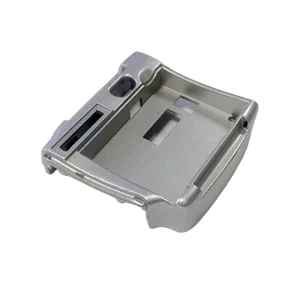
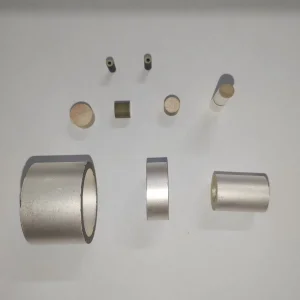
Sensor Ceramics
Suitable for
Capacitive Pressure Sensors
Features
Good Density, High Precision, Stability
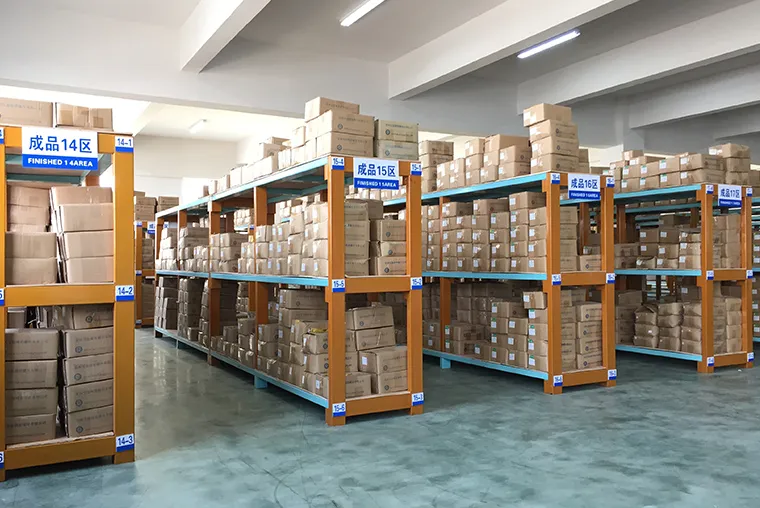
Transport Package
Cartons with EPE Foam
Capacity
500,000 Pieces/Month
🟦 Product Introduction
Pressure sensor is a device that can sense the existence of pressure and convert the sensed pressure into electrical signals or other required signal outputs according to certain rules. Pressure sensors are of various types, such as strain gauge, piezoresistive, capacitive, piezoelectric, resonant, inductive, etc.
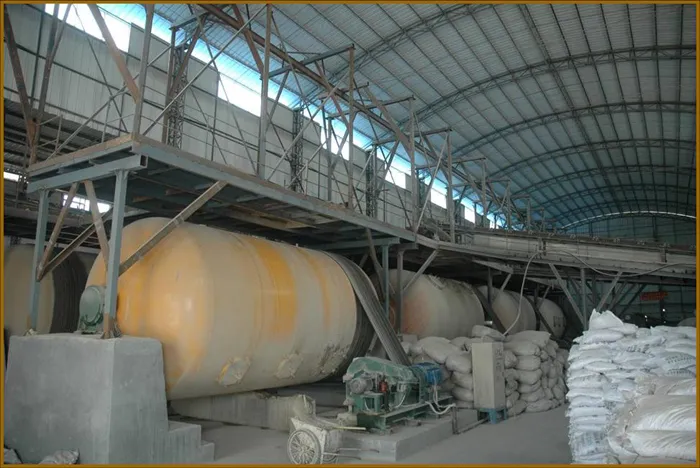
Technical focus mainly includes ceramic bases required for piezoresistive pressure sensors and capacitive pressure sensors. The raw materials used are mainly alumina ceramics.
✓
The excellent chemical resistance and heat resistance of ceramic materials make ceramic sensors an ideal choice for harsh environments.
✓
Thick film conductors and resistor circuits can be directly printed without additional insulation processes.
✓
Customizable according to specific requirements with extremely high dimensional accuracy.
🟦 Product Applications
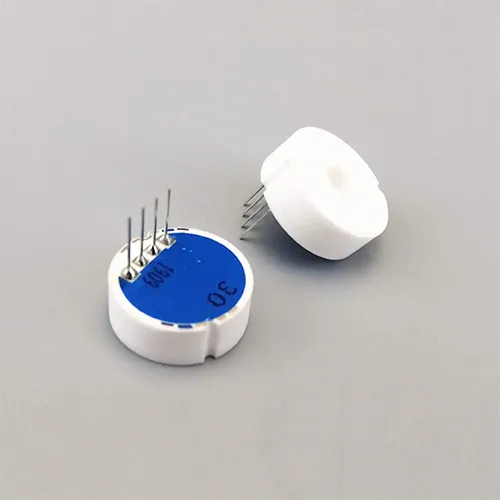
Ceramic Piezoresistive Pressure Sensor: Uses thick film printing to place the Wheatstone bridge on the ceramic surface. Advantages include moderate cost, simple process, and high stability. Ideally used in hydraulic devices, process control, and environmental systems.
Ceramic Capacitive Pressure Sensor: Features a fixed ceramic base and a movable ceramic diaphragm. It offers superior temperature characteristics and long-term stability in high-temperature or corrosive environments where silicon components often fail.
🟦 Manufacturing Capabilities
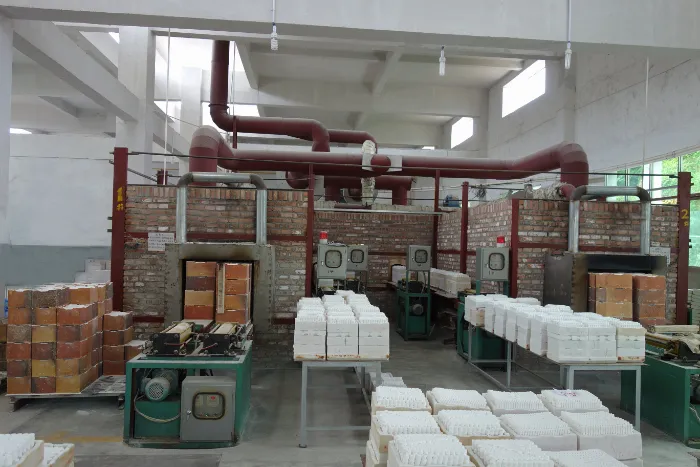
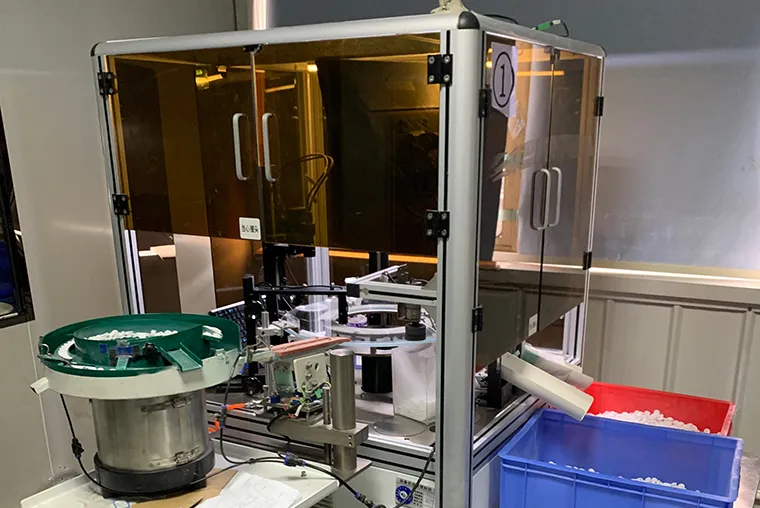
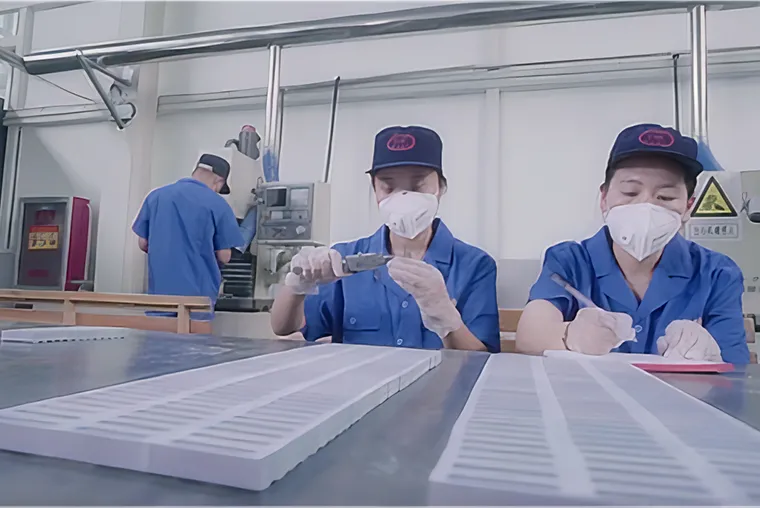
Specializing in the production of sensor ceramics, products feature high density, stable dimensions, high elastic modulus, and exceptional resistance to wear, impact, and corrosion.
🟦 Frequently Asked Questions
Q1: What materials are primarily used for these ceramic sensor bases?
The raw materials used are mainly high-quality alumina ceramics, known for their chemical and heat resistance.
Q2: Can the ceramic components be customized?
Yes, products can be customized according to specific customer requirements with high dimensional accuracy.
Q3: What are the main advantages of ceramic capacitive pressure sensors?
They offer excellent consistency, long-term stability, and the ability to operate reliably in high-temperature and corrosive environments.
Q4: What industries typically use piezoresistive ceramic sensors?
They are commonly used in hydraulic and pneumatic devices, industrial process control, and environmental monitoring.
Q5: What is the monthly production capacity for these components?
The facility has a production capacity of approximately 500,000 pieces per month.
Q6: How are the products packaged for transport?
Products are securely packed in cartons with EPE foam to prevent damage during shipping.
 OLO Auto Parts