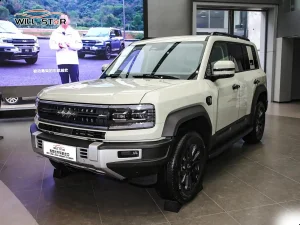
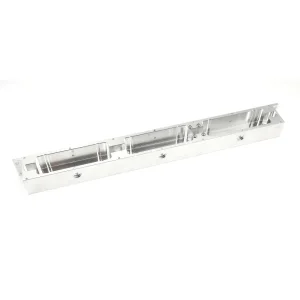
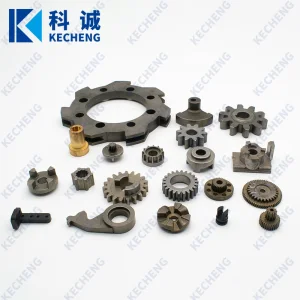
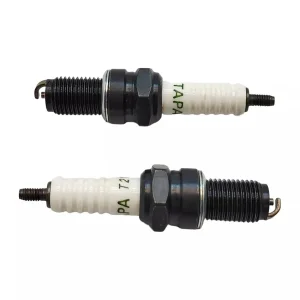
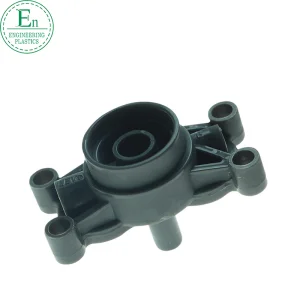
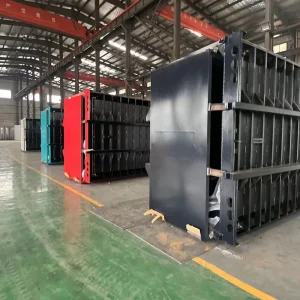
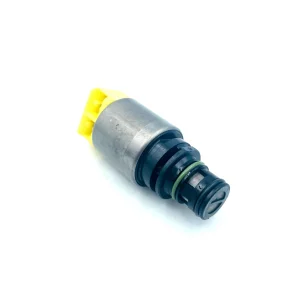
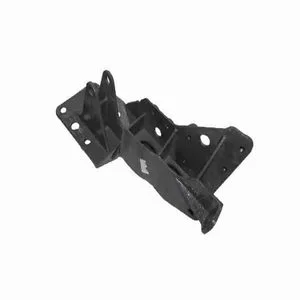
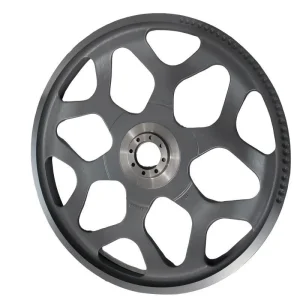
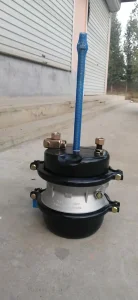
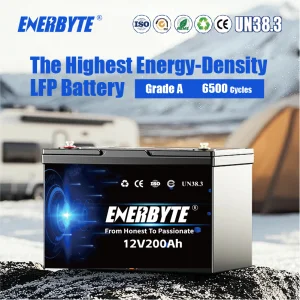
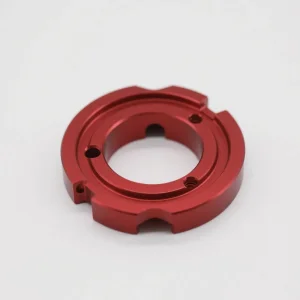
Explore our cutting-edge manufacturing solutions including heavy-duty assemblies, electrical sub-systems, and precision interior components.
A comprehensive examination of global automotive architectures, supply chain paradigms, and market evolution.
The global automotive sector is undergoing a structural transition from legacy hydraulic steering mechanisms to advanced Electric Power Steering (EPS) and Column-assist EPS (C-EPS). Industry forecasts project the global steering system market size to exceed USD 32 Billion by 2028, driven primarily by autonomous driving levels (SAE Level 2 to Level 5) and the lightweighting requirements of electric vehicles (EVs). Traditional mechanical columns are being retrofitted with torque sensors, variable gear ratio mechanisms, and electric motor linkages to support automated steering and driver assistance features.
Modern steering column configurations must conform to stringent international crash safety regulations, including FMVSS 203 (Impact Protection for the Driver) and ECE R12. Energy-absorbing steering columns are engineered to collapse progressively during a frontal collision, dissipating kinetic energy and preventing the steering wheel from intruding into the occupant cabin. China's leading manufacturers leverage high-strength seamless tubes, carbon steel sleeves, and pyrotechnic or mechanical collapsible systems to guarantee compliance for international automotive export.
Due to the critical nature of steering control, global Tier-1 integrators require deep supply chain stability and strict traceability. China's steering parts ecosystem, centered in key clusters such as Taizhou and Zhejiang, provides vertical integration advantages—from raw forging and CNC machining to electrical sensor integration. This centralized footprint reduces procurement overhead while maintaining the strict dimensional tolerances (less than 0.02mm for spline shafts) demanded by North American, European, and Asian OEMs.
Analyzing the shift toward steer-by-wire architectures, electric adjustments, and advanced light metals.
The dawn of Level 4 autonomous passenger vehicles has decoupled the physical mechanical link between the steering wheel and the front wheels. Next-generation steering columns act as haptic interfaces, providing simulated road feedback using feedback actuators (FA). Furthermore, these units feature automated motorized telescoping mechanisms that allow the steering wheel to retract into the dashboard when autopilot is active, optimizing interior cabin space.
NVH optimization is a major engineering requirement, especially in high-voltage EVs where the masking noise of an internal combustion engine is absent. China's top steering column factories implement high-precision needle bearings, specialized internal plastic coatings (such as POM/PTFE liners), and customized rubber coupling elements to minimize play, absorb high-frequency road vibrations, and maintain tactile steering feedback.
Reducing unsprung mass and upper-body weight directly improves energy efficiency and safety in passenger vehicles. Standard steel components are progressively being replaced by high-strength magnesium-aluminum alloys (for mounting brackets) and carbon-composite outer sleeves. These materials reduce the overall weight of the steering assembly by 20% to 35% without compromising torsional stiffness or structural integrity during dynamic loading.
Years Industry Experience
Quality Pass Rate
IATF 16949 Certified
Exporting Destinations
From micro-compact urban vehicles to multi-ton agricultural machinery and long-haul commercial trucks.
Commercial trucks require heavy-duty steering columns designed to withstand high axial forces and constant operation. These systems utilize thicker universal joints (U-joints) and heavy-duty cardan shafts to link with large steering gears. Key design features include pneumatic tilt and telescoping locking options, allowing long-haul drivers to easily adjust their posture, reducing fatigue and improving safety over long distances.
Tractors, combine harvesters, and construction machines operate in dusty, high-vibration environments. Steering columns in this sector feature robust ingress protection (IP67 or higher) for internal switches, along with heavy-duty corrosion-resistant finishes like zinc-nickel plating. Manufacturers focus on custom dash integrations, combining hydro-static steering units directly onto the column structure to save engine compartment space.
In electric vehicles (EVs), steering systems integrate directly with the central vehicle domain controller. This setup enables variable steering ratios, lane-keep assist, and automated parking. EV steering columns require advanced electro-magnetic compatibility (EMC) shielding to protect internal torque and angle sensors from electromagnetic interference generated by the vehicle's high-voltage traction inverter and battery packs.
A developmental roadmap illustrating the evolution of steering columns from mechanical systems to smart haptic interfaces.
Focuses on passive safety engineering. Utilizes mechanical shear pins, mesh-tubes, and friction-plates to absorb kinetic energy during frontal collisions. The core objective is reducing peak occupant deceleration to protect the driver's head and chest during impact.
Features active column-assist motors (C-EPS), integrated torque and angle sensors (TAS), and precision wiring looms. This generation supports features like Active Return, Lane Keep Assist (LKA), and electronic tilt-telescopic adjustment with programmable driver profiles.
No physical mechanical connection exists. Signals are transmitted digitally from the steering wheel sensors to active wheel actuators. Features an ultra-compact, stowable structure that retracts into the instrument panel to maximize occupant cabin volume during autonomous driving modes.
How modern Chinese manufacturers build global automotive component supply chains.
Leading Chinese factories maintain complete control over raw material sourcing and primary production stages. By integrating in-house forging, heat treatment, spline cold rolling, and precision CNC turning, manufacturers eliminate dependencies that can disrupt assembly lines. Every batch of steel is dynamically analyzed using spark spectrometer testing to verify carbon and alloy concentrations, ensuring consistent performance under high torsional stress.
To support global supply chains, factories utilize robotic MIG/TIG welding and automated coordinate measuring machines (CMM) to maintain dimensions within sub-micron tolerances. Our processes are designed to meet international standards, ensuring seamless installation for assembly lines in Europe, the Americas, and Southeast Asia.
Additionally, modern logistics management and automated warehouse storage enable prompt dispatch of bulk custom orders. This helps automotive assembly operations minimize safety stock and implement efficient JIT (Just-In-Time) inventory strategies.
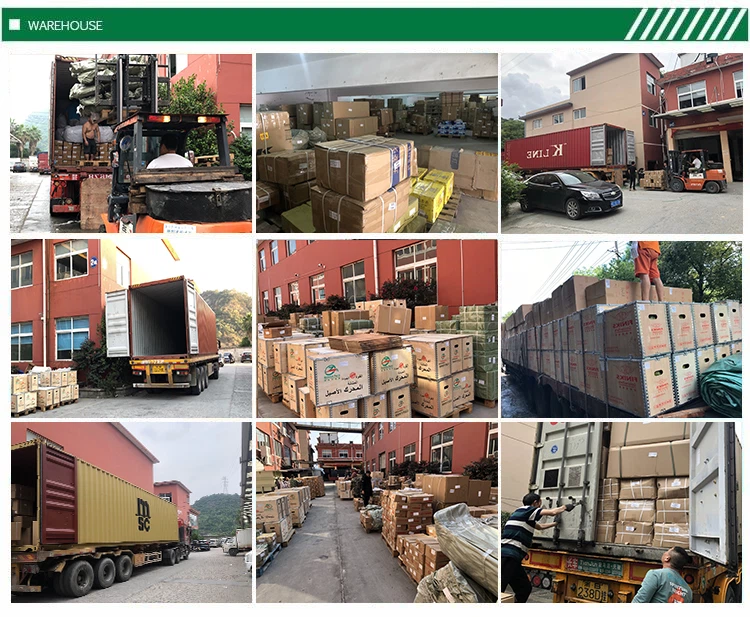
Established in 2003 in Taizhou, China—a prominent global hub for automotive component manufacturing—Taizhou OLO Auto Parts Co., Ltd. has grown into a leading supplier in the automotive aftermarket and OEM segments. Over the past two decades, we have built a reputation for engineering excellence and integrity-driven customer relations.
We specialize in premium steering components and replacement parts for Korean passenger vehicles, including Hyundai and Kia models. By combining wholesale distribution networks with online retail services, we serve clients ranging from regional distributors to large commercial fleets.
Under our proprietary brand, OLO, we continuously upgrade our production lines to meet the evolving needs of the international automotive market. We remain committed to developing reliable, high-performance auto parts and building long-term, mutually beneficial partnerships with customers worldwide.
Common questions regarding OEM specifications, safety standards, and sourcing logistics.
Explore our specialized range of truck steering parts, casting pulleys, transmission control valves, and electrical filters.
Sincerely looking forward to working with you to build reliable, high-performance steering systems.
 OLO Auto Parts