High-precision mechanical and electrical parts engineered for global industrial and automotive platforms
Understanding supply clusters, commercial dynamics, and the evolving OEM demands
The global automotive brake discs market is undergoing a seismic transition. Driven by stringent environmental guidelines, electrification (EVs), and the absolute requirement for weight minimization, tier-1 suppliers and industrial buyers are forced to re-evaluate their manufacturing networks. Sourcing top-tier brake discs is no longer just a transaction based on finding the lowest price per unit; it has transformed into a strategic exercise in engineering, supply chain resilience, and metallurgical compliance.
Globally, the demand for brake rotors is shifting away from low-grade cast iron toward high-carbon formulations, ventilated geometries, and specialized coating solutions such as Geomet or zinc-flake options. These structural choices mitigate thermal fatigue, curb corrosion, and prevent brake fade under extreme stress. Furthermore, the rise of hybrid and battery-electric vehicles introduces regenerative braking profiles, which—paradoxically—require rotor materials capable of resisting corrosion and oxidation over prolonged periods of disuse, followed by instant heat loading.
China remains a powerhouse in the manufacturing of auto parts, offering vast manufacturing ecosystems that integrate raw smelting, precision CNC machining, dynamically balanced finishing, and compliance testing. Leading industrial hubs, notably Taizhou, have established critical infrastructure that allows factories to export brake components to Europe, North America, and South America under strict international certifications such as ECE R90 and ISO/TS 16949.
Pioneering supply chains and automotive component distribution since 2003
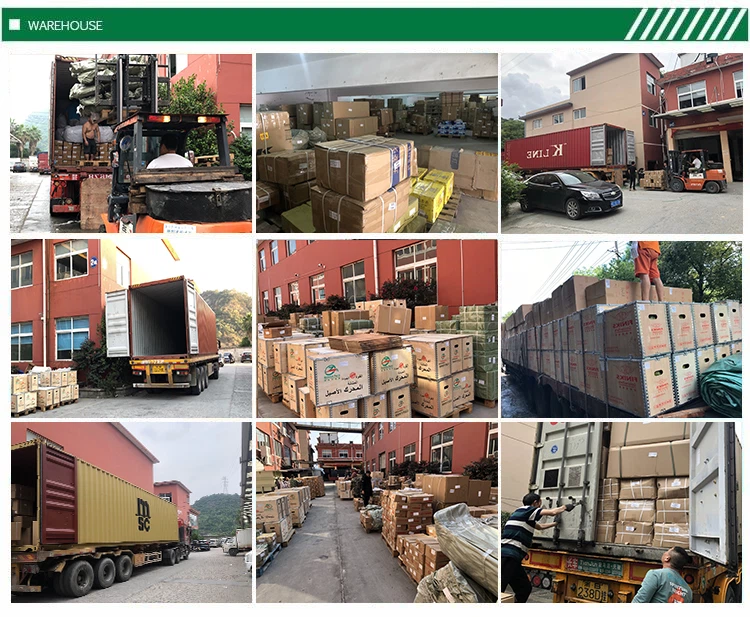
Taizhou OLO Auto Parts Co., Ltd. was established in 2003. It is located in Taizhou, China. Taizhou is the industry weathervane in the auto parts industry at home and abroad, which has great influence. Our company mainly deals in Korean (Hyundai, Kia) automotive accessories, combining traditional and professional network wholesale and retail. With the company's "integrity, win-win, professional, sharing" business philosophy, after more than ten years of development, the company has a certain size and strength.
Now we have a professional team and good reputation in the industry, and we established a perfect sales network throughout the country and the world with a large number of long-term cooperation of high-quality partners. With the market and customer needs, the company has established its own brand--OLO, which has received supports and praises from a large number of customers at home and abroad. We also have many agents and distributors.
To continuously strengthen cooperation with customers and share business relationships, the company constantly strives to innovate and keep up with the times, continuing to focus on the auto parts market. In order to be a "good auto parts person", we are willing to bring more high-quality products and services for more customers, work together to create a bright future. Your satisfaction is always our aim.
Sincerely look forward to your cooperation

How premium brake disc factories leverage metallurgy for extreme wear resilience
Utilizing Grey Cast Iron (GG15, GG20, GG25) fortified with higher carbon ratios (up to 3.8%). This enhances thermal absorption properties, minimizes micro-cracking under intense cycle braking, and significantly dampens high-frequency harmonic vibrations.
Application of advanced zinc-flake, Geomet, and electro-coating barriers across non-friction surfaces. These industrial-grade finishes prevent oxidation and galvanic binding, ensuring a clean cosmetic look and unhindered maintenance serviceability.
Pioneering double-drill patterns and directional pillar-vent profiles that generate negative pressure gradients. This aerodynamic optimization expels gas build-up and hot air efficiently, keeping the pad and rotor interface cool.
High-performance braking elements rely heavily on microstructural uniformity. Leading factories use continuous automated molding lines alongside induction furnace casting to maintain temperature controls within ±5°C. This level of control avoids hard cementite spots in the raw casting that compromise tool life during precision milling and create hot-spots on finished friction surfaces.
By maintaining strict control over the carbon-equivalent value (CE), raw foundries prevent thermal shock crack propagation. Additionally, dynamic balancing processes ensure that each brake disc exhibits near-zero weight distribution asymmetry, mitigating high-speed steering wheel shudder and brake pedal pulsation.
Practical advice for supply chain directors on vetting and onboarding manufacturing partners
Sourcing professionals looking for a reliable brake disc manufacturer must verify multiple technical benchmarks before signing supplier agreements. Key factors to assess include:
"A secure supply chain requires more than just high production capacity. It calls for strict compliance with global quality management systems, transparent metallurgical reporting, and consistent engineering standards."
ISO/TS 16949 / IATF 16949 Certification: This automotive industry standard is essential for any tier-1 or OES supplier. It ensures the factory runs standardized operations, uses FMEA (Failure Mode and Effects Analysis) procedures, and implements rigid corrective action plans.
ECE R90 Compliance: For buyers sourcing for European passenger cars or commercial fleets, ECE R90 certification is a legal requirement. It guarantees that aftermarket replacement rotors perform within ±15% of the original equipment (OE) equivalents in test laboratory trials.
Testing Capability: Reputable brake disc factories maintain in-house dyno test rooms (Link Dynamometers), optical emission spectrometers for material validation, and coordinates-measuring machines (CMM) to inspect geometrical runout, thickness variation (DTV), and roughness specifications.
Euro 7 emissions limits, friction dust collection, and lightweight alloy solutions
The automotive landscape is changing, and brake disc manufacturers are on the front lines. With the upcoming implementation of Euro 7 regulations, the focus is expanding beyond tailpipe emissions to include particulate matter generated by brakes and tires. Brake disc wear particles contribute significantly to urban PM2.5 pollution.
To meet these challenges, manufacturers are adopting hard coatings such as High-Velocity Oxygen Fuel (HVOF) sprayed tungsten carbide or chromium carbide coatings. These dense, wear-resistant layers reduce dust generation by up to 90% and increase rotor lifespan significantly, while also providing excellent corrosion resistance.
Additionally, lightweight composite solutions are gaining momentum. Combining aluminum hubs with cast-iron friction rings helps manufacturers reduce unsprung mass. This layout improves vehicle handling and increases driving range for battery-electric vehicles without sacrificing structural integrity.
Answering technical, commercial, and operational queries from global buyers
High-carbon brake rotors contain higher concentrations of carbon (typically 3.4% to 3.8%), which improves thermal conductivity and resistance to thermal shock. These properties help the rotor handle high heat loads more efficiently, preventing warping and reducing brake squeal compared to standard cast-iron alternatives.
Geomet coatings offer superior protection against rust and corrosion, keeping vehicles looking cleaner and performing reliably over time. Unlike oil-dipped finishes, which require cleaning before installation, Geomet-coated rotors can be installed straight out of the box, saving mechanics time and labor.
Manufacturers test their products in certified laboratories, comparing aftermarket brake disc performance to OE components. The test procedures analyze friction stability, shear strength under extreme heat, and overall structural durability. Once verified, the components receive an official approval number stamped directly on the rotor edge.
Taizhou OLO Auto Parts utilizes detailed OEM databases to cross-reference dimensions, hub offsets, and bolt patterns. This technical vetting ensures that OLO replacement parts install without modification on designated Hyundai, Kia, and other international vehicle models.
High-durability accessories, custom casting solutions, and starting system assemblies
 OLO Auto Parts