Engineered for extreme structural loads along the Dakar-Bamako transit corridor and unpaved artisanal mining pathways.
Mali, functioning as a vital landlocked economic hub within the sub-Saharan Sahel, relies entirely on overland commercial haulage to secure international trade access through maritime gateways like the Port of Dakar and the Port of Abidjan. Because rail infrastructure remains limited, the country's economic vitality depends on its arterial road network—primarily the RN6 and RN7 highways. These roads connect the bustling trading center of Bamako with resource-heavy regions like Kayes and Sikasso, extending onward to neighboring coastal markets.
Operating heavy commercial fleets or high-end transit vehicles across these long transit lines presents extreme mechanical challenges. Freight trucks routinely haul combined gross weights exceeding standard operating metrics. At the same time, unpaved secondary roads expose machinery to highly abrasive Saharan dust and extreme surface irregularities. Under these severe operating parameters, ordinary chassis configurations frequently suffer structural failures. This reality highlights the critical need for heavy-duty suspension designs built to handle continuous, high-stress conditions.
Thermal Saturation: Ambient temperatures frequently cross 45°C, causing conventional rubber bushings to degrade quickly and altering the dampening viscosity inside hydraulic shock absorbers.
Particulate Infiltration: Fine, highly abrasive lateral dust penetrates standard seals, accelerating mechanical wear on critical moving joints, kingpins, and leaf spring assemblies.
Dynamic Overload Stress: High-volume commercial shipping operations frequently encounter unexpected road damage, subjecting structural chassis elements to extreme, sudden impact loads.
Standard aftermarket chassis parts generally use basic carbon steel alloys, which break down rapidly under heat stress and heavy loads. Our structural components feature premium SUP9 and SUP9A high-tensile spring steel formulations, enhanced by a precise manganese-chromium thermal treatment. This metallurgy raises the elastic limit of our leaf springs and trailing arms, allowing them to repeatedly absorb heavy impact forces without suffering permanent structural distortion or metal fatigue.
Bridging precision manufacturing technology with real-world, high-stress African logistics applications.
Our raw structural steel undergoes strict spectral testing to guarantee consistent chemical distribution, eliminating internal vulnerabilities before production begins.
Every individual leaf layer undergoes dual-stage mechanical shot-peening treatments, introducing deeper compressive residual stress zones that extend component fatigue life by up to 240%.
We apply industrial-grade electro-powder deposition coatings across our entire line, sealing raw components against environmental moisture and salt spray corrosion from coastal trade routes.
Established Engineering History
Ultrasonic Flaw Inspection
Maximum Rated Leaf Capacity
Thermal Environmental Validation
Analyzing mechanical dynamics under long-haul conditions across West Africa.
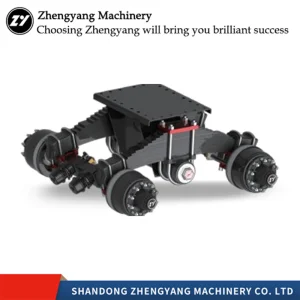
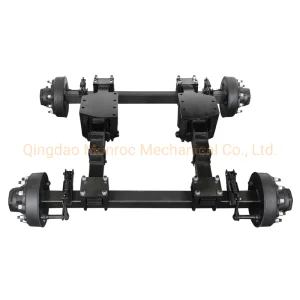
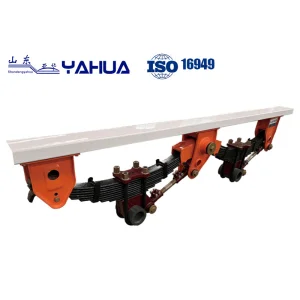
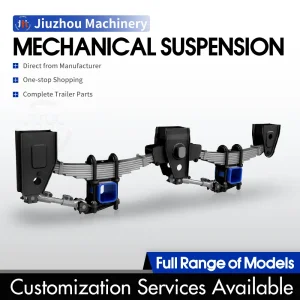
When choosing suspension components for the West African commercial transport network, engineers must carefully evaluate the performance tradeoffs between traditional multi-leaf mechanical setups and advanced air suspension configurations. Mechanical bogie designs, like our heavy-duty 18-ton and 25-ton variants, use thick multi-leaf stacks that distribute extreme vertical loads evenly across dual tandem axles. This approach minimizes localized stress concentrations on the main frame rails, making it highly effective for heavy transport applications.
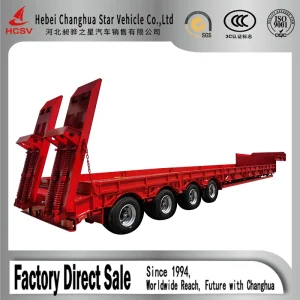
These robust mechanical systems provide excellent reliability for heavy haulers, gold mining tankers, and bulk agricultural trailers moving through Kayes, Koulikoro, and Sikasso. Their thick steel leaf packs naturally resist unexpected peak loads, providing structural stability even on unpaved roads. Furthermore, their simple mechanical design makes routine maintenance straightforward, allowing fleet mechanics to service them without needing specialized electronic diagnostic equipment.
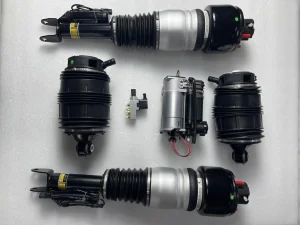
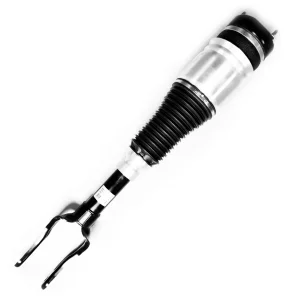
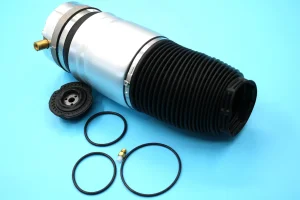
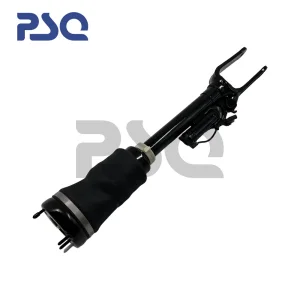
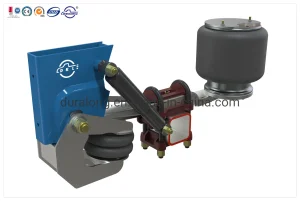
For high-value passenger transit and fragile cargo lines, advanced air suspension systems deliver significant performance benefits. Air springs feature an adaptable pneumatic design that automatically adjusts pressure based on the load. This functionality maintains a consistent chassis ride height and stable handling, whether the vehicle is empty or fully loaded. By absorbing high-frequency road vibrations, these systems protect the vehicle's structural frame from long-term stress cracking.
To ensure long-term reliability in the hot, dusty conditions of the Mali market, our air spring assemblies feature reinforced, multi-layer rubber bellows. These components are specifically formulated to resist environmental ozone cracking and continuous heat degradation. Additionally, our integrated high-performance shock absorbers use premium, heat-resistant seal packs. This design prevents oil leakage under heavy, repetitive dampening cycles, ensuring reliable control on long, challenging highway routes.
Developing advanced fleet components to meet next-generation logistics demands.
As commercial transport across West Africa modernizes, fleet logistics operators are moving away from reactive repair schedules and adopting strategic, predictive maintenance models. The next generation of heavy-haul chassis systems combines robust mechanical parts with intelligent monitoring features. This shift allows operators to track component health in real time, maximizing vehicle uptime and extending operational life under demanding road conditions.
Our engineering research roadmap focuses on integration-ready suspension designs that support remote telemetry monitoring. By embedding rugged strain gauges and thermal sensors into high-stress areas like trailing arms and bogie trunnion housings, fleet operators can monitor changing load distributions and temperature spikes in real time. This technical approach allows maintenance teams to identify structural wear early, helping prevent unexpected component failures on long-distance routes.
Additionally, we continue to optimize material efficiency by developing lightweight, high-strength chassis components. By using advanced micro-alloyed steels, we can reduce total unsprung mass without sacrificing structural strength. This engineering improvement enhances fuel economy across long transit routes while keeping the suspension highly responsive on rough terrain.
Two decades of dedicated engineering excellence and high-yield automotive component production.
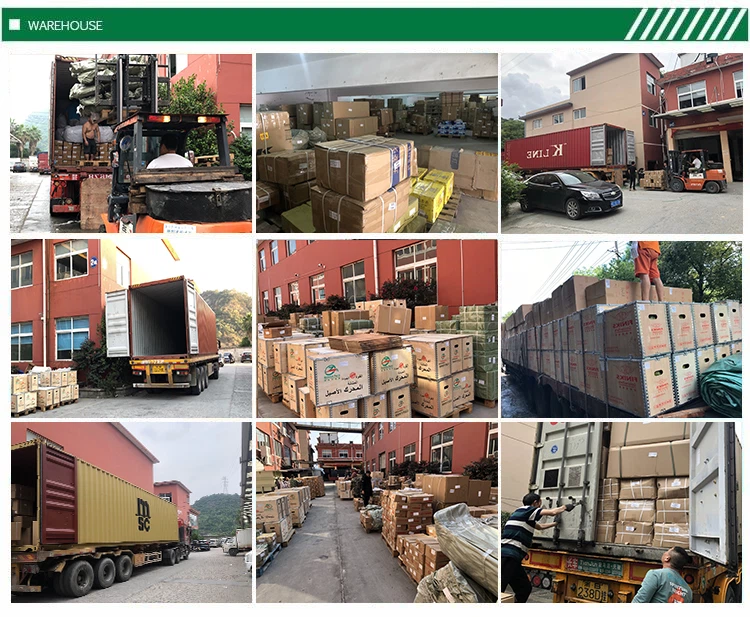
Taizhou OLO Auto Parts Co., Ltd., established in 2003, is located in Taizhou, China—a globally recognized industrial center for high-precision automotive component manufacturing. Over the past twenty years, our company has grown into a leading developer of heavy-duty commercial suspension assemblies, chassis parts, and premium passenger vehicle dampening systems. We specialize in robust mechanical components and specialized running gear designed to perform reliably under challenging environmental conditions.
Our extensive inventory features comprehensive parts coverage for major global automotive platforms, with a core specialization in high-durability setups for Korean passenger models (Hyundai, Kia) alongside heavy commercial trailers and trucks. Operating under our proprietary OLO brand name, we have built a trusted reputation across international markets. Our products deliver exceptional mechanical reliability, backed by a global distributor and service agent network that spans continents.
To meet the unique demands of the West African transport sector, we focus heavily on continuous product innovation and strict quality control. Every steering linkage, torque rod, leaf spring, and air strut we manufacture undergoes thorough laboratory stress testing to verify consistent structural performance. We are dedicated to providing fleet operators in Mali and the broader regional markets with high-quality, dependable chassis parts that help lower operating costs and ensure long-term fleet uptime.

Expert technical engineering answers regarding performance optimizations and sub-Saharan fleet procurement.
Standard carbon steels can deform permanently when subjected to sudden, heavy impact loads on unpaved roads. Our premium SUP9 and SUP9A high-tensile spring steel formulations feature a specialized manganese-chromium composition that delivers superior elastic performance. This advanced metallurgy allows our leaf springs to repeatedly handle high structural loads and rough terrain without losing ride height or suffering metal fatigue.
Abrasive desert dust can quickly destroy standard rubber seals and accelerate wear on moving suspension joints. To prevent this, we use premium polyurethane and nitrile rubber compounds for our bushings and boot seals. These materials maintain their flexibility and sealing performance at temperatures above 45°C, keeping out harmful particulates and preserving internal grease to extend component service life.
For high-capacity gold mining and raw resource transit, we strongly recommend our heavy-duty 18-ton or 25-ton mechanical bogie suspension systems. These robust setups feature thick multi-leaf configurations that distribute extreme vertical loads evenly across tandem axles. This design minimizes localized stress concentrations on the vehicle frame, providing excellent stability and reliable service life on rough, unpaved mining tracks.
Standard aftermarket air struts often fail prematurely on rough city roads due to internal fluid overheating and pressure leaks. Our premium OLO air suspension systems feature reinforced, multi-layer rubber bellows and high-temperature fluid seals. This heavy-duty design prevents fluid bypass during rapid, repetitive dampening cycles, ensuring consistent vehicle handling and stable performance under demanding local road conditions.
Chassis components imported through coastal gateways like Dakar or Abidjan face significant exposure to humid, salt-heavy marine environments. This exposure can kickstart surface rust before the parts ever reach landlocked inland operations. Our industrial Electro-Powder Deposition (EPD) process applies a continuous, corrosion-resistant protective coating across all surfaces, ensuring our parts remain completely sealed against rust during transit and storage.
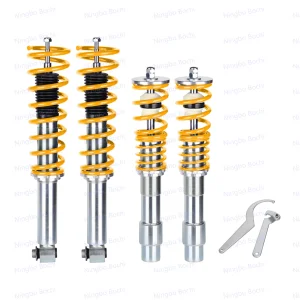
We provide full-service OEM and ODM customization solutions tailored to the specific fleet profiles and load requirements of large transport operators. Our engineering team can adjust leaf pack thicknesses, shock absorber valving, and bushing formulations to optimize parts for your exact routes. This targeted approach helps reduce regular maintenance downtime and significantly lowers total fleet operating costs over the life of the vehicle.
Comprehensive replacement assemblies engineered to ensure long-term structural integrity across commercial fleets.
 OLO Auto Parts