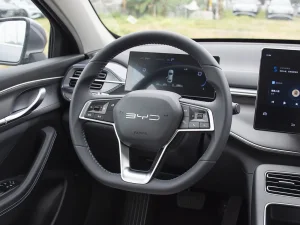
Premium electrification infrastructure and precision hybrid automotive components optimized for the Montenegrin municipal, commercial, and residential sectors.
Executive Summary: As Southeast Europe aligns with the European Union's Green Agenda, Montenegro's unique geographic profile, high solar irradiance, and ambitious ecotourism initiatives are driving a rapid paradigm shift. This transition is not merely limited to the adoption of Hybrid and Electric Vehicles (EVs) but encompasses the comprehensive deployment of localized solar-hybrid microgrids, storage-integrated EV charging infrastructures, and high-durability automotive components designed to withstand mountainous Adriatic topographies.
Montenegro, celebrated for its rugged limestone mountains and spectacular Adriatic coastline, is currently restructuring its domestic transport and power sectors. For decades, the nation relied heavily on imports of traditional internal combustion engine (ICE) vehicles, leading to challenges regarding urban emissions, particularly in tourism hubs like Kotor, Budva, and the capital city, Podgorica. To reconcile these challenges with Montenegro's constitutional status as an "ecological state," the Ministry of Capital Investments and private partners have implemented strategic policy frameworks aimed at accelerating EV charging stations along the main highway corridors (such as the Princess Xenia Highway) and secondary regional routes.
However, importing advanced electric drivetrains and power accessories requires a highly reliable tier-1 supply network. Unlike larger Western European economies, Montenegro does not host massive automotive assembly plants. The market is defined by a decentralized procurement structure where logistics hubs, transport operators, utility companies, and developers import custom solutions. High-voltage battery systems, hybrid drivetrains, and intelligent inverter setups must meet European standards (CE and RoHS certifications) while enduring severe voltage fluctuations in rural sectors and demanding load cycles during peak tourist seasons.
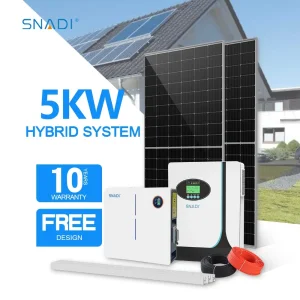
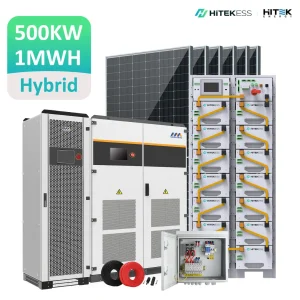
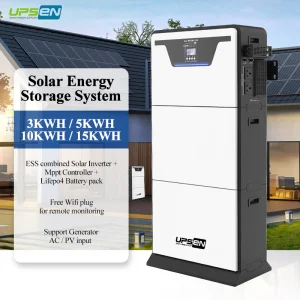
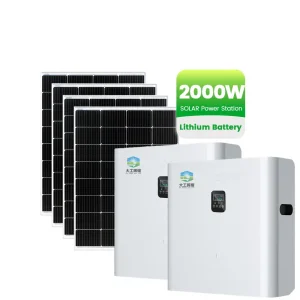
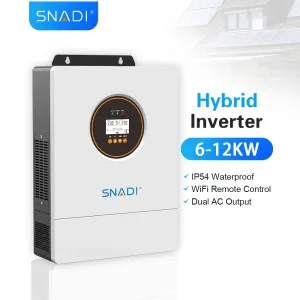
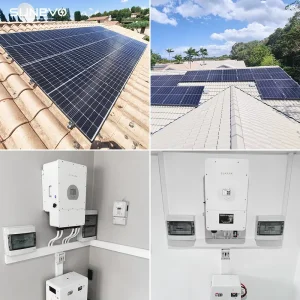
In Montenegro, the expansion of Hybrid and EV parts is deeply intertwined with the deployment of Photovoltaic (PV) solar energy storage systems. Because the grid infrastructure in remote mountain tourism hubs (like Durmitor and Biogradska Gora) faces bottleneck constraints, the establishment of traditional grid-dependent fast chargers is cost-prohibitive. This has sparked a trend toward Hybrid Solar Energy Systems. By pairing 3-phase high-voltage solar energy systems with stackable Lithium Iron Phosphate (LiFePO4) energy storage systems, local developers can install grid-independent or hybrid-fed charging stations.
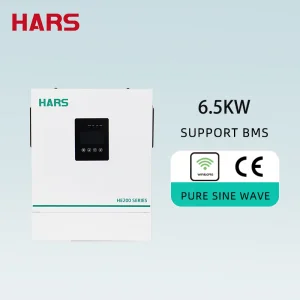
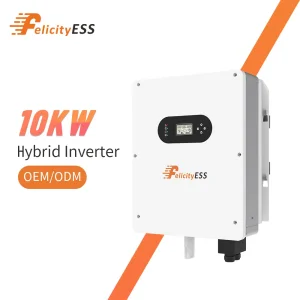
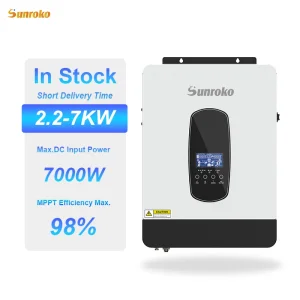
This integration ensures that electric vehicles are charged with true zero-emission solar energy rather than relying on grid power which, in the wider Balkan region, still carries a high carbon footprint from lignite coal generation. For importers and engineering firms based in Podgorica, sourcing complete hybrid systems containing MPPT solar inverters, lithium batteries, and rugged automotive components from a single manufacturing source is critical to maintaining high project margins and system reliability.
Industrial procurement departments and engineering contractors in Montenegro face strict regulatory guidelines, specifically aligned with EU mandates. Any product imported into this market must adhere to rigorous criteria:
Engineered systems providing energy security, building performance, and advanced transportation options across urban and remote Montenegrin corridors.
The manufacturing landscape has evolved beyond mere raw capacity to embrace extreme supply chain integration and precision engineering. Operating from Taizhou, China—a global epicenter for high-precision automotive components—Taizhou OLO Auto Parts Co., Ltd. (established in 2003) exemplifies the advantages of Factory 4.0 production paradigms.
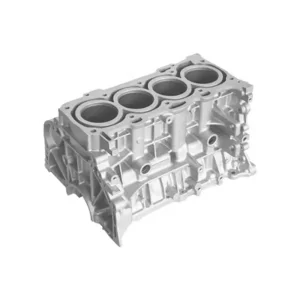
By utilizing automated CNC robotic milling for hybrid-grade cylinder blocks, computerized charge-discharge validation for energy storage units, and standardized assembly flows, OLO Auto Parts guarantees that each exported component meets rigorous European technical requirements. Our integrated production networks allow us to navigate global raw material fluctuations and ocean freight bottlenecks, ensuring stable pricing and short delivery windows to our long-term partners in Eastern Europe and globally.
Corporate Integration: Expanding from our foundation in premium Korean (Hyundai, Kia) automotive components, OLO Auto Parts has integrated comprehensive supply lines for alternative energy drivetrains, solar hybrid storage, and high-performance PHEV vehicle exports to meet the green economy goals of developing markets like Montenegro.
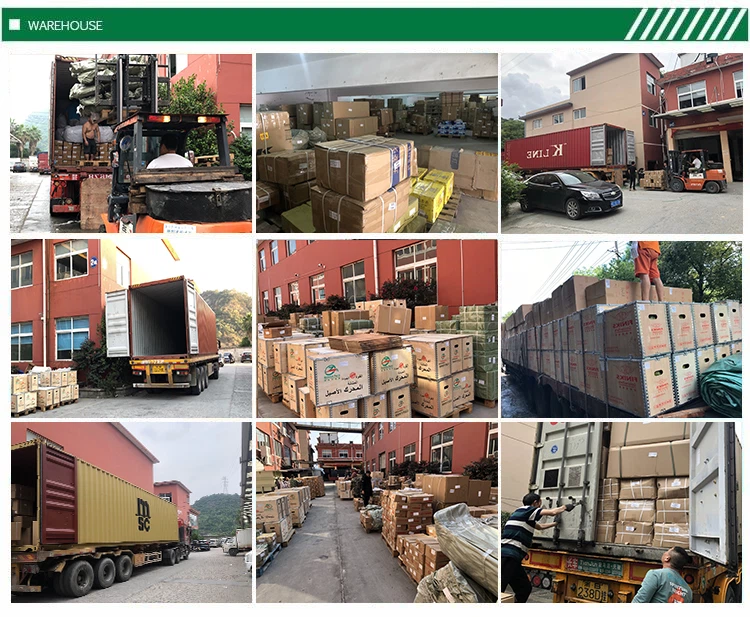
Analyzing physical deployments where hybrid drivetrains and smart solar storage systems yield substantial returns in Montenegro.
To protect historic architectures and marine environments from noise and exhaust pollution, luxury resorts implement off-grid and hybrid energy kits. Integrated 10kw to 30kw solar arrays charge localized energy storages, allowing guests to charge hybrid rental vehicles overnight without impacting Podgorica's central municipal electricity grid.
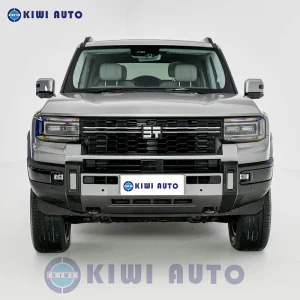
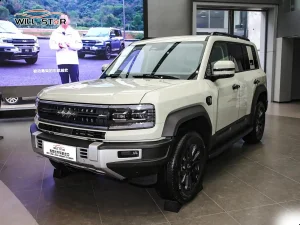
Mountainous terrain requires high torque and extreme component durability. Hybrid passenger vehicles (such as the Jetour and BYD PHEV series) utilizing high-grade aluminum-alloy engine structures ensure superior heat dissipation during long steep climbs, while regenerative braking systems efficiently recapture energy to charge internal batteries.
Governmental ministries and private logistic firms operating inside Podgorica reduce operation costs through high-voltage hybrid solar chargers. By leveraging heavy-duty prefabricated solar structures and scalable battery banks, municipalities establish decentralized fueling stations that supply power even during localized summer peak grid interruptions.
Explore our complete catalog of exported hybrid utility systems, PHEV passenger vehicles, and industrial inverters configured for European market compatibility.
Building Trust and Reliability with Global Logistics Partners and Technical Engineering Institutes
Detailed technical answers addressing import logistics, component certifications, and installation realities inside Montenegro.
 OLO Auto Parts