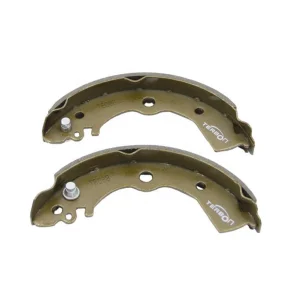
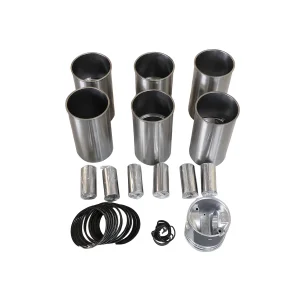
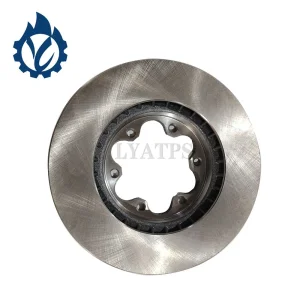
Engineered to handle extreme loads, thermal cycling, and high silica dust environments across Southern Africa’s transport corridors.
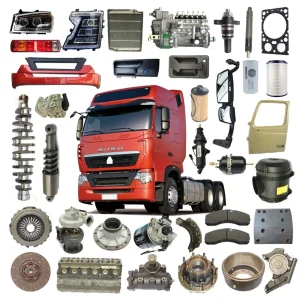
Namibia represents one of the most demanding logistics corridors in Southern Africa. Anchored by the expansion of the Port of Walvis Bay and key commercial pathways such as the Trans-Kalahari Corridor (linking Namibia to Botswana and South Africa) and the Trans-Caprivi Corridor (linking to Zambia, Zimbabwe, and the DRC), the region sees an immense volume of heavy-duty freight transport. Heavy commercial trucks, bulk-commodity tippers, and mining service vehicles run constantly on a mixture of tarred highways and rough, gravel-topped desert roads.
Operating conditions in Namibia present extreme physical challenges to pneumatic and mechanical braking systems. Fleet operators experience rapid wear due to high ambient temperatures in the Namib and Kalahari deserts, saline coastal atmosphere causing accelerated corrosion near Swakopmund and Walvis Bay, and the abrasive nature of fine Kalahari sand. Fine silica particles can quickly penetrate brake drum and disc assemblies, acting as an abrasive paste that grinds down friction materials and destroys rotary shafts, actuators, and pneumatic valves.
"Mining transport operations in regions like the Erongo Region demand braking components engineered for extreme thermal load cycles. In uranium, diamond, and base metal mining concession zones, typical vehicles work with axle weights exceeding 12 to 16 tons per axle, relying heavily on auxiliary braking and high-capacity pneumatic chamber actuators to prevent brake fade and system failure."
Consequently, procurement directors and maintenance supervisors in Windhoek, Walvis Bay, and Keetmanshoop are moving away from cheap aftermarket replacements. They now prioritize brake linings, pads, and chambers engineered to meet international safety criteria, with structural specifications designed specifically for Southern Africa's high-heat, high-dust environments.
Our advanced braking parts are built in Industry 4.0 facilities and deployed globally to meet tough operating standards.
Modern commercial fleet procurement requires a clear understanding of the friction materials and pneumatic architectures used in manufacturing. For the Namibian transportation sector, our engineering team has developed specific technological adaptations designed to improve life expectancy, safety margins, and operating efficiency:
Friction components degrade through three main channels in Sub-Saharan heavy-haul setups. Standard parts wear down quickly when exposed to fine abrasive dust, thermal stress from continuous braking, and physical impacts on unpaved roads. Our tailored engineering addresses these issues directly:
| Stress Vector | Standard Brake Performance | OLO Heavy Duty Adaptation |
|---|---|---|
| Abrasive Sand | Grit penetration causes deep scoring. | High-density carbon-matrix linings that push dust out. |
| Corrosive Air | Rust on spring chambers leads to premature failure. | Electroplated internal springs with polymer coatings. |
| Extreme Heat | Brake fade above 350°C. | Consistent friction coefficient (μ 0.38-0.42) up to 600°C. |
How fleet managers and OEM distributors in Windhoek, Walvis Bay, and Keetmanshoop optimize their parts supply chains.
Our heavy-duty brake linings and drums are designed to extend the service life of major logistics operations along the Trans-Kalahari Corridor by 35% compared to standard replacement parts, reducing scheduled fleet downtime.
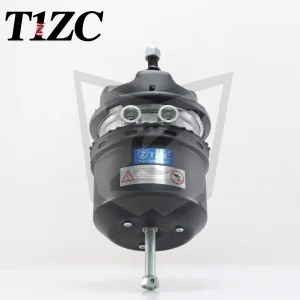
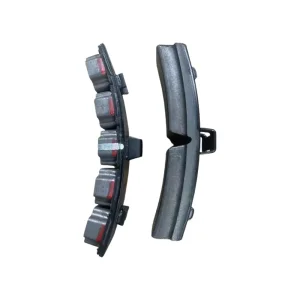
Every single CNC-machined air control valve, double diaphragm brake chamber, and composite brake block undergoes multi-stage pressure and friction dyno testing before packaging, preventing on-road failures.
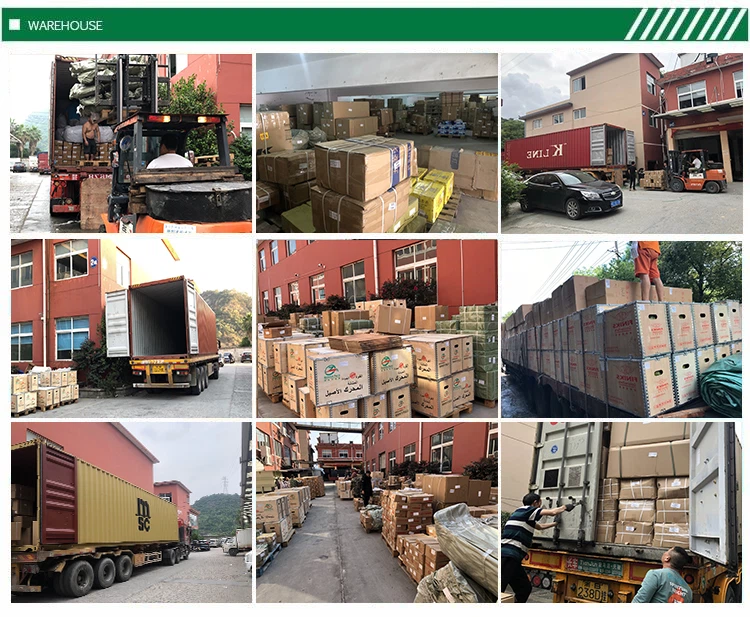
We pack and label all parts securely in crates, making them easy to sort and store in local warehouses. Direct shipping routes to Walvis Bay mean lower transport costs and reliable lead times for distributors.
Taizhou OLO Auto Parts Co., Ltd. was established in 2003 in Taizhou, China, a key global hub for high-precision automotive component manufacturing. Over the last two decades, our factory has evolved from a regional supplier into a highly automated, advanced manufacturing facility. We combine modern tooling with strict quality monitoring to produce braking components that meet international OEM standards.
By using automated precision CNC machining centers, robotic welding cells, and computerized friction dynamometers, we maintain consistent manufacturing tolerances across every batch. Our proprietary brand, OLO, stands for reliability and innovation. We specialize in supply chains for heavy commercial vehicles, passenger cars, and railway braking systems, offering tailored solutions to partners worldwide.
Understanding the unique requirements of regional importers, we offer customized friction formulations, direct port-to-port shipping from Ningbo or Shanghai, and supply packaging designed to withstand long ocean shipments to Walvis Bay.
For Namibian distributors and operators importing commercial auto parts, meeting regional standards is essential. All OLO products are manufactured in compliance with international and Southern African standards:
Namibia's integration into the Southern African Development Community (SADC) makes it a key transit hub for landlocked countries like Zambia and Botswana. Standardizing braking components across regional logistics fleets simplifies maintenance and reduces parts storage costs.
By partnering with local distributors in Windhoek's northern industrial area and Walvis Bay, we offer fast delivery options. Our shipping processes align with the Trans-Kalahari Corridor logistics networks, helping operators minimize vehicle downtime. Additionally, we provide detailed technical documentation and wear-limit reference guides to help local maintenance workshops inspect and install our components safely.
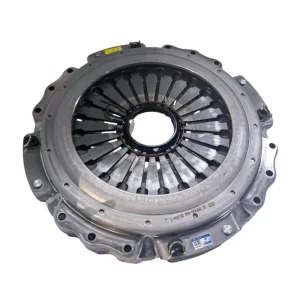
A comprehensive inventory of friction elements, cast iron brake shoes, air chambers, and rotors engineered to OEM specifications.
Technical details, compliance guides, and logistics information for distributors and fleet managers in the Southern African region.
For Namibia's sand and gravel roads, we recommend low-metallic or high-density semi-metallic compounds. These formulations resist abrasive wear from sand and maintain stable friction levels at high operating temperatures, outlasting standard organic pads under heavy loads.
Yes. All OLO braking components, including brake linings, disc pads, and pneumatic valves, meet or exceed ECE-R90 standards. This makes them fully compliant with Southern African regulatory frameworks, including the South African Bureau of Standards (SABS) requirements used in SADC trade.
Direct ocean shipments from Ningbo or Shanghai port to Walvis Bay usually take 30 to 45 days. We handle export documentation, container loading, and customs preparation to help prevent delays at ports of entry.
Yes. We offer OEM and ODM customization services. Using our CNC machining and precision metallurgy capabilities, we can develop and manufacture customized brake valves, shoes, and actuators based on technical drawings or physical samples.
We operate under IATF 16949 guidelines. Every batch of brake pads and valves undergoes friction testing, shear strength evaluation, and pressure leak checks to ensure stable, reliable performance under tough operating conditions.
Our brake chambers and actuators feature multi-layered powder coatings, electroplated steel clamps, and salt-spray resistant return springs. This design helps protect the units from moisture and salt air in coastal areas like Swakopmund and Walvis Bay.
Sincerely looking forward to your cooperation and mutual growth

Get in touch with our engineering and export teams today for customized quotes, bulk catalog pricing, or to arrange technical consultations for the Namibian market.
 OLO Auto Parts