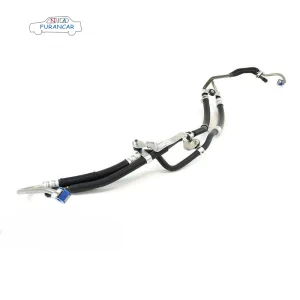
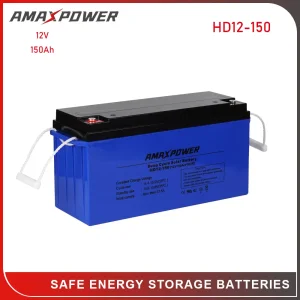
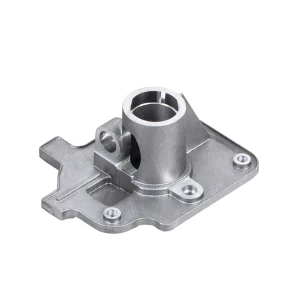
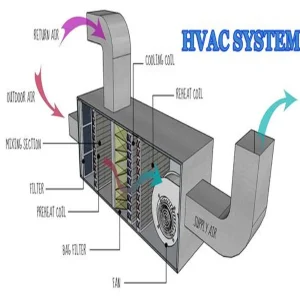
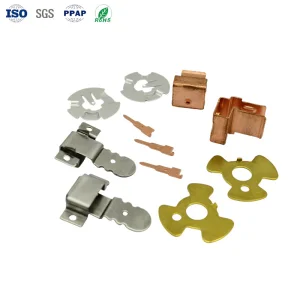
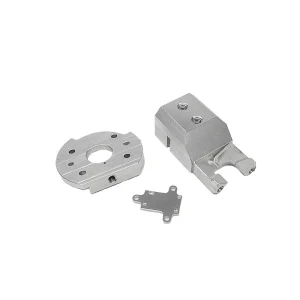
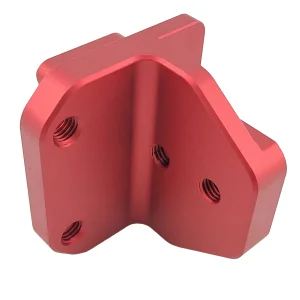
Explore our top-tier precision components engineered for HVAC, automotive steering, sensor containment, and high-performance casting.
Analyzing industry shifts toward high-thermal efficiency, automated sealing mechanisms, and smart structural window components.
With global net-zero regulations tightening, window frame profiles and glazing seals must meet rigorous U-value and solar heat gain coefficient (SHGC) limits. Architectural designs require integrated thermal breaks made of engineered polyamides to eliminate thermal bridging.
Modern electric vehicles (EVs) demand advanced noise-canceling laminates and precision-extruded guides to achieve aerodynamic efficiency. Multi-material co-extrusion technology has bridged the gap between classic industrial window framing and automotive window channels.
Sourcing directors favor factories utilizing smart CNC machining, automated powder coating, and structural silicon glazing systems. Standardizing tolerances below 0.05mm ensures rapid assembly on construction sites and production lines alike.
Contemporary structural designs demand that window components, structural hinges, and weather barriers function under dynamic loads. Whether configuring a high-efficiency curtain wall system or high-integrity vehicle windows, choosing materials with compatible coefficients of thermal expansion is paramount to long-term reliability.
How modern material science and structural engineering shape the future of smart enclosures and structural windows.
Using post-consumer recycled aluminum for profiles and hardware components significantly reduces embodied carbon. Continuous casting innovations are enhancing structural strength without increasing wall thickness.
Window frames are evolving into interactive platforms housing low-voltage busbars, embedded sensors, and intelligent motor gears. Wire-routing cavities inside frame extrusions must be designed with electromagnetic shielding.
Weatherstripping systems now combine sponge EPDM, dense EPDM, and low-friction slip coatings within a single profile. This ensures dynamic wind sealing, noise mitigation, and resistance to ultraviolet degradation over a 25-year service life.
Why regional industrial clusters like Taizhou deliver unparalleled advantages in procurement, manufacturing, and global transport.
In China, specialized components manufacturing is grouped geographically. Taizhou, recognized as a global bellwether for auto components, precision stamping, and polymer tooling, allows factories to source alloy ingots, synthetic rubber polymers, and specialized surface coatings within a 50-mile radius. This geographical density cuts transport times and material sourcing overheads to a fraction of Western benchmarks.
Advanced Chinese factories maintain in-house mold design and EDM machining shops. Working directly with engineers speeds design cycles, shifting from CAD layouts to physical prototypes in days. Quality systems use coordinate measuring machines (CMM) and digital profile projectors to verify structural tolerances and physical fitment.
Engineering window component systems to perform in diverse, challenging environmental conditions globally.
Salt spray and persistent humidity accelerate electrochemical corrosion on metal hardware. Coastal window components rely on structural marine-grade stainless steels (SS316) or receive multi-layer fluorocarbon and anodized coatings exceeding AAMA 2605 requirements.
Extreme temperature drops pull window profiles tight and challenge weather seal elasticity. Components optimized for northern territories incorporate triple-fin EPDM compression seals and structural thermal-barrier polyamides to control frame expansion while minimizing heat loss.
Skyscraper curtain walls and sliding window assemblies must withstand intense dynamic wind loads and floor-to-floor displacement. Heavy-duty structural anchors, reinforced friction hinges, and multi-point secure locking systems ensure frame integrity under maximum load limits.
Our manufacturing and engineering partners ensure full compliance with international test certifications.
High-end building projects require components to undergo independent testing to satisfy European Standards (EN 14351-1) or American Architectural Manufacturers Association standards (AAMA/WDMA/CSA 101/I.S.2/A440). These protocols test air infiltration, water resistance, and structural stability under wind load.
Vehicle-mounted structural components and window sealing assemblies undergo rigorous cyclic testing. Manufacturers follow IATF 16949 quality guidelines to ensure consistency, durability under heat, and resistance to environmental stress over long operational lifespans.
All structural metal alloys, rubber compounds, and protective surface treatments are supplied with direct Mill Test Certificates (MTC) and meet EU RoHS / REACH standards. This guarantees material composition and ensures heavy-metal-free surface finishes.
Learn more about our production facilities, supply logistics, and partner network.
Taizhou OLO Auto Parts Co., Ltd. was established in 2003. It is located in Taizhou, China. Taizhou is the industry weathervane in the auto parts industry at home and abroad, which has great influence. Our company mainly deals in Korean (Hyundai, Kia) automotive accessories, combining traditional and professional network wholesale and retail. With the company's "integrity, win-win, professional, sharing" business philosophy, after more than ten years of development, the company has a certain size and strength.
Now we have a professional team and good reputation in the industry, and we established a perfect sales network throughout the country and the world with a large number of long-term cooperation of high-quality partners. With the market and customer needs, the company has established its own brand--OLO, which has received supports and praises from a large number of customers at home and abroad. We also have many agents and distributors. To continuously strengthen cooperation with customers and share business relationships, the company constantly strives to innovate and keep up with the times, continuing to focus on the auto parts market. In order to be a "good auto parts person", we are willing to bring more high-quality products and services for more customers, work together to create a bright future. Your satisfaction is always our aim.
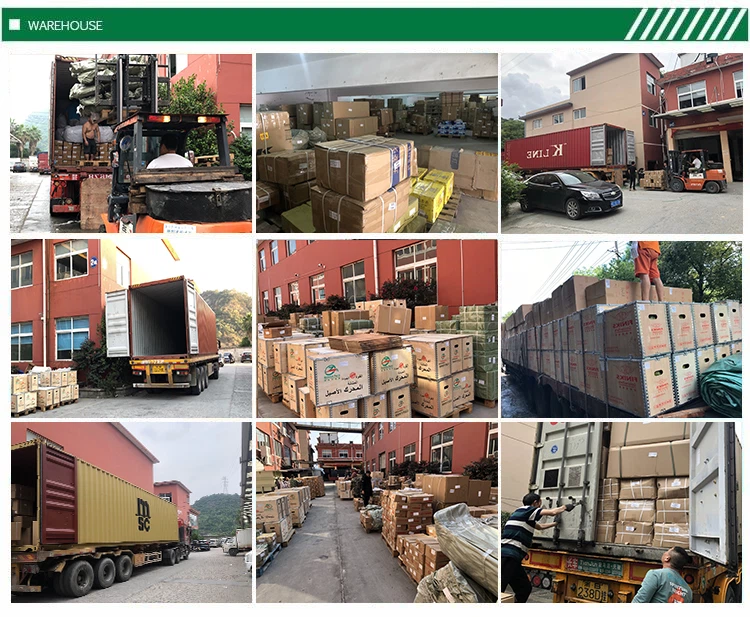
Sincerely look forward to your cooperation
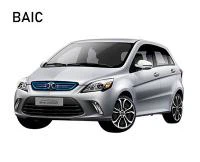
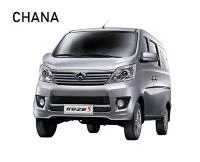
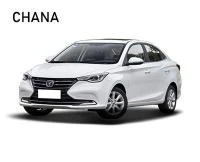
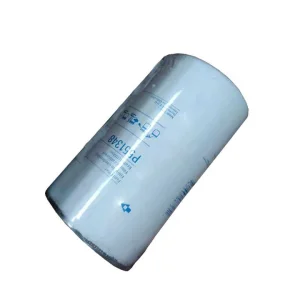
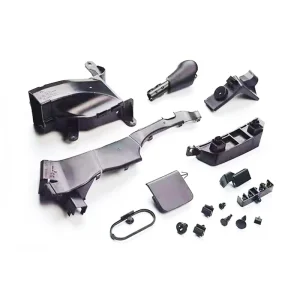
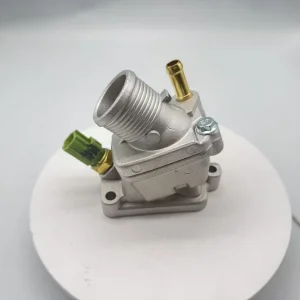
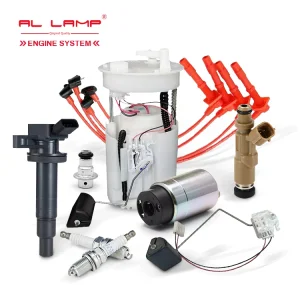
Discover our range of heavy-duty filters, custom injection molded panels, thermostats, and electrical system spares.
Detailed insights from our technical support team answering your procurement and engineering questions.
 OLO Auto Parts