The automotive fog light unit industry has transformed from a basic functional requirement to a high-tech safety and design statement. Today, a fog light unit is not just about visibility; it is about integrating advanced optics, thermal management, and aerodynamic aesthetics. In the global market, the automotive lighting sector is projected to reach several billion dollars by 2030, driven by the increasing production of passenger vehicles and the stringent safety regulations in Europe, North America, and the Asia-Pacific region.
Developed markets focus on aftermarket upgrades and luxury LED integrations, while emerging markets see high demand for OEM standard halogen and basic LED units.
Compliance with ECE and DOT standards is mandatory. Modern units must pass rigorous IP67 waterproof and vibration tests to ensure longevity in extreme climates.
The transition from Halogen to LED is nearly complete in the mid-to-high-end segment, with Laser lighting and OLED tech emerging in premium models.
As we move toward the era of autonomous vehicles and smart cities, the "Fog Light Unit" is evolving. It is no longer a standalone component but a part of the vehicle's "vision system."
Modern fog light units are being integrated with AFS technology, allowing the light beam to adjust based on steering angle and vehicle speed, providing optimal illumination during turns in foggy conditions.
With the efficiency of LEDs, fog light units are becoming smaller, allowing designers more freedom. We see trends where fog lights are integrated into the main headlamp cluster or hidden within the bumper's aerodynamic vents.
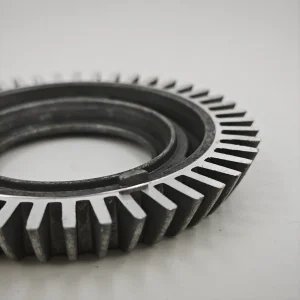
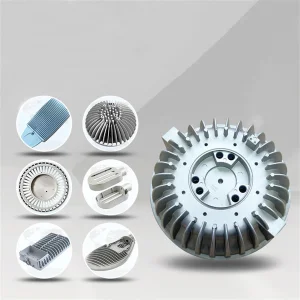
Top factories are now using recyclable aluminum alloys and high-heat-resistant polycarbonate (PC) that offer better durability with a lower environmental footprint.
Identifying the right partner is crucial for B2B buyers. Here is a list of the industry leaders known for their innovation, quality, and supply chain reliability.
From the snowy roads of Northern Europe to the humid, foggy rainforests of Southeast Asia, the demand for reliable fog light units varies significantly. Professional buyers must consider local regulations and environmental challenges.
In regions like Australia and the Western USA, fog light units must be dust-proof and withstand heavy impact. Aluminum housing is preferred here for heat dissipation during long night drives.
Heavy-duty trucks (Sinotruk, MAN, Scania) require fog lights with long life cycles. Procurement managers focus on "Ease of Replacement" and "Standardized Connectors."
In mega-cities like Shanghai or London, fog lights serve a dual purpose: safety in low visibility and enhancing the vehicle's "Signature Look." LED units with "Breathing" effects are highly popular.
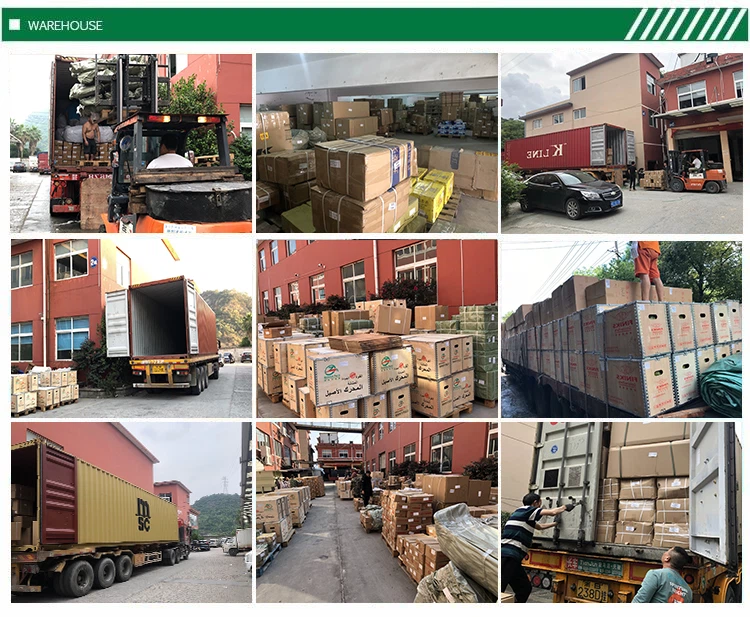
Taizhou OLO Auto Parts Co., Ltd. was established in 2003. Located in Taizhou, China—the industry weathervane of auto parts—we have leveraged decades of geographical and industrial advantages to become a leading supplier.
Our specialization in Korean automotive accessories (Hyundai, Kia) allows us to offer a level of precision and fitment that generalists cannot match. With our "OLO" brand, we provide factory-direct pricing with international quality standards.
Established Year
Cooperated Partners
Global Brand
We work with the best to deliver the best. Sincerely look forward to your cooperation.
 OLO Auto Parts