In high-power industrial machinery, heavy-duty logistics, and modern EV thermal management layouts, the radiator system is critical to prevent engine thermal overload and guarantee steady performance. Top best radiator components factories & exporters act as strategic technology partners rather than simple parts suppliers, delivering components engineered to withstand immense pressures, corrosive coolants, and cyclic thermal stresses.
This technical document focuses on providing actionable information gain to procurement managers, system engineers, and strategic buyers. When assessing manufacturing partners in industrial automotive hubs like Taizhou, China, identifying quality signatures such as advanced metallurgy, state-of-the-art aluminum die-casting, and ISO/IATF compliance is essential to secure durable cooling operations and minimize supply chain risks.
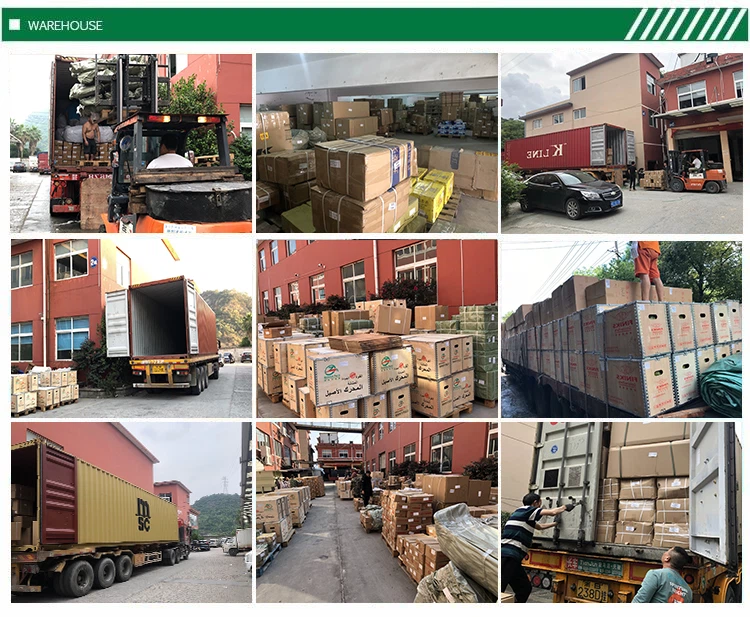
China’s manufacturing landscape for radiator components is characterized by highly integrated supply chain clusters, state-of-the-art metallurgy, and automated production. Sourcing from regions such as Taizhou, known as a key benchmark center for automotive and mechanical parts, offers specific commercial and technological advantages:
Chinese production facilities integrate raw ingot casting, precision CNC machining, stamping, and automated testing on-site. This vertical design minimizes logistical overhead and maintains strict control over metallurgical tolerances.
Leading factories utilize premium raw materials, such as A380, A319, and AlSi10Mg aluminum alloys. These materials are engineered to balance mechanical strength with high thermal conductivity, ensuring long-term resistance to stress fractures.
Utilizing high-precision mold designs and simulation software, factories quickly transition from client CAD files to functional prototypes. This capability shortens development cycles for custom cooling projects.
Selecting the correct component specifications is vital to match application demands. Below is a reference matrix outlining materials, processing techniques, and application environments for critical heat exchange components.
| Component Type | Common Materials Used | Manufacturing Process | Primary Functional Benefit |
|---|---|---|---|
| Radiator Core & Fins | Aluminum Alloys 3003 / 4343 | Precision Foil Rolling & Controlled Brazing | Optimized surface area for high-rate thermal convection. |
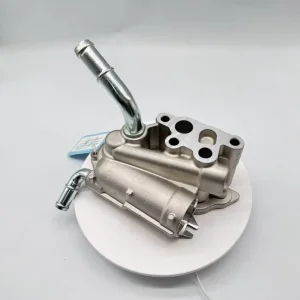
| Engine Thermostat Housing | Aluminum AlSi10Mg, Reinforced Nylon (PA66-GF30) | High-Pressure Die Casting or Injection Molding | Excellent structural integrity and leak prevention under pressure. |
| End Tanks & Side Plates | A380 Aluminum, Structural Galvanized Steel | Die Casting & Laser Blanking | Rigid support structure that absorbs engine vibrations. |
| Cooling System Connections | Stainless Steel (304/316), Brass, Zinc Alloys | Multi-axis CNC Machining & Turning | Thread integrity and corrosion resistance when exposed to coolants. |
Industrial thermal management is evolving rapidly to meet new efficiency standards, carbon reduction goals, and electric drive demands. Industrial buyers must align their procurement choices with these key market trends:
Modern electric vehicles require multi-circuit thermal regulation loops that cool battery packs while heating passenger cabins. This shift increases demand for complex, high-purity aluminum cooling tubes and valve components.
Microchannel tubes offer improved heat transfer rates compared to traditional round tubes. This allows system designers to decrease overall radiator dimensions without sacrificing thermal performance.
Environmentally conscious manufacturing is moving toward mechanical expansion and fluxless brazing techniques, reducing hazardous waste and lowering production energy footprints.
Cooling requirements vary significantly across different industrial sectors. A versatile radiator components factory must supply tailored solutions designed for these specific macro-level environments:
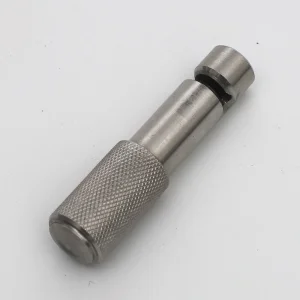
Trucking fleets operate under high loads for extended periods. Transmission oil coolers, intercoolers, and coolant tanks must handle continuous mechanical stress. Premium components, such as CNC-machined stainless steel pins and brackets, keep the cooling block secured against chassis torsion, protecting the vehicle from roadside downtime.
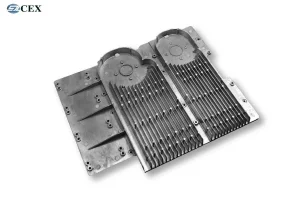
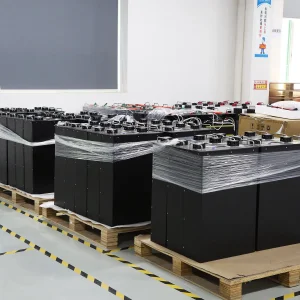
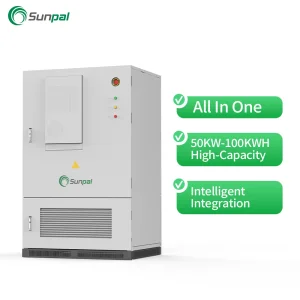
High-capacity grid storage batteries generate significant heat during charge and discharge cycles. Liquid cooling plates and auxiliary radiator loops are required to prevent thermal runaway. This application relies on high-grade aluminum die-cast housings and manifold components to maintain stable internal temperatures.
Heavy equipment operates in dusty, abrasive, and highly corrosive conditions. These radiators require thick-walled tubes, reinforced mounting brackets, and corrosion-resistant coatings to prevent damage from rocks, chemicals, and intense vibration.
Established in 2003 and located in Taizhou, China, Taizhou OLO Auto Parts Co., Ltd. has grown to become a recognized supplier in the international automotive components sector. The company specializes in the development, manufacture, and distribution of high-quality automotive parts and cooling accessories.
Focusing on Korean platforms (Hyundai, Kia) alongside customized global solutions, OLO Auto Parts integrates traditional manufacturing techniques with advanced logistics networks. Operating under the philosophy of "integrity, win-win, professional, sharing," the OLO brand has established a reputation for reliable product quality and attentive service across regional and international markets.
The company continually updates its production facilities to adapt to changing automotive technologies, ensuring that each radiator housing, thermostat component, and machined fitting aligns with international standards.
Partnering with Leading Auto Brands Worldwide
Find technical and logistical answers regarding material selection, factory standards, quality control, and supply chain management.
Aluminum offers a high strength-to-weight ratio, allowing engineers to design thin-walled microchannels that enhance cooling efficiency. It is also more cost-effective and resistant to galvanic corrosion compared to older copper-brass designs, making it the industry standard for modern automotive and industrial cooling applications.
A380 and AlSi10Mg are commonly used for high-pressure die casting. A380 offers a balanced combination of mechanical properties, castability, and thermal conductivity. AlSi10Mg is preferred for complex geometries and applications requiring high fatigue strength and resistance to corrosive coolants.
Look for factories with IATF 16949 (automotive quality management) and ISO 9001 certifications. For projects requiring specific mechanical tolerances, verify that the facility utilizes coordinated measuring machines (CMM) and performs regular spectrophotometer checks for alloy purity.
Leading manufacturers utilize Controlled Atmosphere Brazing (CAB) ovens, which ensure uniform temperature distribution across the radiator core. Additionally, 100% helium or pressurized water leak testing is conducted on all finished assemblies to confirm joint integrity before shipment.
With regular maintenance and proper coolant chemistry, industrial aluminum radiator parts are designed to last between 5,000 and 10,000 operating hours. Factors like vibration mitigation, chemical exposure, and thermal cycles directly influence component longevity.
Yes. Custom manufacturing typically begins with client-provided 3D CAD models (STEP/IGES formats). The engineering team evaluates the geometry for thermal efficiency, designs the casting tooling, and machines the component to the required tolerances using multi-axis CNC equipment.
We source raw material ingots from certified metallurgical suppliers. Every batch undergoes chemical composition analysis, and raw material certificates are retained. This system ensures full traceability from the foundry to the final machined product.
Premature failures are typically caused by stress corrosion cracking, erosion-corrosion from high-velocity coolants, or fatigue cracking due to engine vibrations. These risks are mitigated by optimizing wall thickness, refining radii in the CAD design, and selecting the correct alloy.
 OLO Auto Parts