A replacement part may look convincing on a shop counter, yet fail under heat, vibration, or sudden braking. Low-quality auto parts can use weak materials, poor fitting tolerances, or inconsistent manufacturing. A brake pad that wears unevenly, a tire with hidden defects, or a faulty steering component can affect how a vehicle responds. Small flaws can become serious on a wet road. That is the concern.
What safety risks come with low-quality auto parts? The answer depends on the part, the vehicle, and how it is installed. A poorly made brake component may increase stopping distance or lose performance when hot. A weak suspension part can change handling, while an electrical defect may disable lights or warning systems. These problems are not always obvious during a quick inspection. A strange vibration, dashboard warning, burning smell, or new noise deserves attention.
Price alone does not prove that a part is unsafe, and an expensive part is not automatically reliable. Check compatibility, manufacturer details, warranty terms, and applicable quality certifications. Follow the vehicle maker’s specifications, and ask a qualified technician to inspect uncertain parts. Keep invoices and note when parts were installed; those details can help identify a recurring failure. Even so, no checklist catches everything. A careful choice reduces risk, but it cannot replace proper installation, routine maintenance, and prompt attention to changes in vehicle performance.
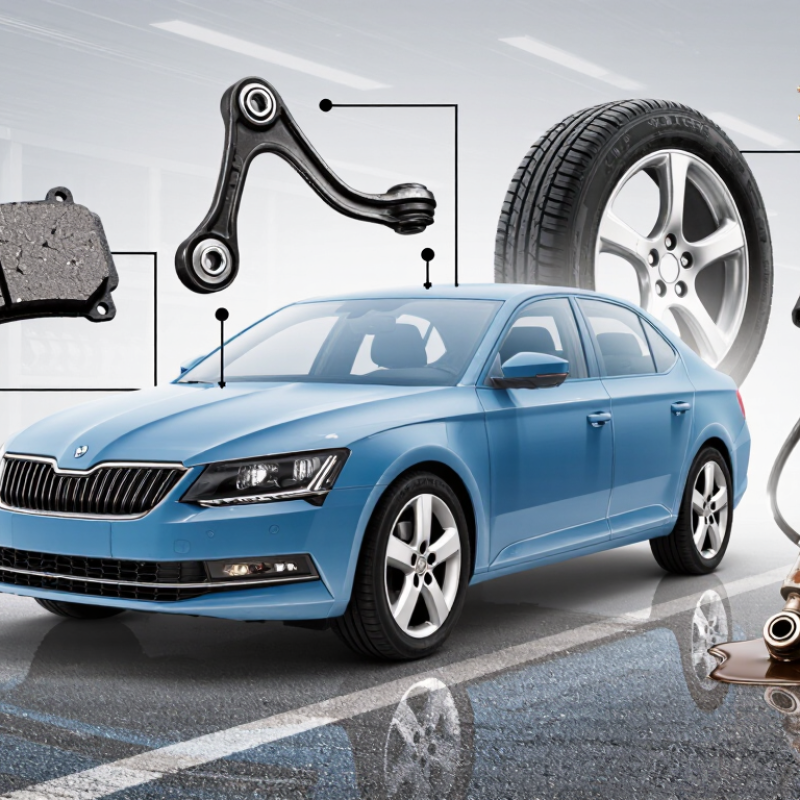
A low-quality auto part is not simply a part with a low price. It is a component whose materials, dimensions, or performance fall short of what its job requires. A replacement should fit the vehicle and match its mechanical or electrical specifications. A brake component, for example, needs dependable friction material and consistent dimensions; a sensor needs stable connections and accurate output. Fit matters. Even a small gap or loose connector can cause trouble.
Warning signs may include rough edges, uneven welds, brittle plastic, unclear specifications, or missing installation guidance. Yet appearance alone cannot prove a part is unsafe. Some defects are hidden inside a sealed component, and polished packaging can create misplaced confidence. I would check vehicle compatibility, product documentation, and any relevant testing information before purchase. A label alone is not proof. For critical systems, a qualified technician can inspect fit and installation.
Poor materials or inaccurate manufacturing can make a part wear faster, loosen under vibration, or fail when exposed to heat and moisture. The consequences depend on the component: a weak trim clip is usually an inconvenience, while a defective steering or braking part may affect control. That distinction is easy to overlook. Price and appearance offer clues, but neither replaces reliable specifications and careful inspection.
A part may be unsafe if it fails to meet applicable safety standards, is poorly manufactured, or wears out prematurely. Tire tread depth illustrates why condition matters: reduced tread can compromise wet-road grip.
These are tire tread-depth reference points, not a complete test of part quality. The 4/32-inch wet-weather guideline is from AAA; NHTSA advises replacing tires when tread reaches 2/32 inch. Laws may vary by state.
A low-quality auto part may look convincing on a shelf, yet its materials can behave very differently under heat, vibration, and repeated loads. Thin metal may flex where a bracket should stay firm. A rubber seal with uneven composition can harden early and allow fluid to seep past. Small differences matter.
Manufacturing flaws can make those weaknesses less predictable. Poorly controlled casting may leave tiny voids inside a component, while rough machining can create edges that wear against nearby parts. A fastener with inconsistent dimensions may loosen despite being installed correctly. These problems can lead to noise, leaks, poor handling, or sudden loss of function. Not every inexpensive part is defective, and appearance alone cannot confirm quality. That is easy to forget.
Material specifications, dimensional checks, and traceable inspection records offer stronger evidence than a polished finish. When assessing a replacement, compare its stated application and specifications with the vehicle requirements, and ask a qualified technician to inspect any part that affects steering, braking, or suspension. Even careful checks have limits; hidden defects may not be visible until the part is tested or used.
A part failure can turn an ordinary drive into a sudden hazard. A cracked steering joint may let the wheel respond unevenly, especially over potholes or during a quick lane change. A poorly made tire can lose pressure or separate under heat, making the car pull sharply. The driver may have only seconds to react. Small parts matter.
Brake components show how small defects can affect the whole vehicle. A pad that wears unevenly may increase stopping distance or cause vibration. A damaged hose can leak fluid, weakening braking when it is needed most. These signs are not always dramatic at first. A soft pedal, a burning smell, or a new scraping sound deserves attention, not guesswork.
Electrical and suspension failures create quieter risks. A faulty sensor may give a misleading warning, while a weak control arm can make the car wander over rough pavement. One symptom does not prove a part is defective; other causes are possible. Still, ignoring repeated changes can allow damage to spread. Check service records, inspect parts for cracks or leaks, and have an uncertain repair assessed by a qualified technician. It is easy to assume a replacement part is safe because it fits, but fit alone does not show how it will perform under stress.
When a low-quality replacement part fails, the danger depends on which system it serves. Brakes deserve particular attention. A poorly made pad may wear unevenly, overheat, or provide inconsistent friction. A weak hose or incorrectly sized rotor can also affect stopping performance, especially during repeated braking. The pedal may feel normal at first. That is unsettling. Correct fit and material specifications matter, not just appearance.
Steering and suspension parts are also safety-critical. A loose ball joint, tie-rod end, or control-arm bushing can alter wheel alignment and tire contact. Drivers might notice clunks over potholes, vibration, or a vehicle that wanders. In severe cases, a failed connection can make steering difficult. Still, symptoms alone do not prove a part is defective. A qualified inspection can separate part failure from wear, damage, or installation problems.
Tires, wheel bearings, and hubs affect stability and control, too. A poorly made bearing may develop noise or excess play; a damaged tire can lose grip, particularly on wet pavement. Electrical components deserve attention when they serve lighting, charging, or driver-warning systems. It is tempting to blame the replacement part immediately, but the vehicle’s age and maintenance history matter as well. Have safety-related parts checked promptly if warning lights appear, handling changes, or unusual noises persist.
Parts that fail to meet the vehicle’s required specifications may fit poorly, wear prematurely, or perform unpredictably. The level of risk depends on the part, the defect, vehicle design, and driving conditions.
| Vehicle system | Examples of parts | How a defective or unsuitable part can cause trouble | Potential safety consequence | Relative safety concern | Practical checks |
|---|---|---|---|---|---|
| Braking | Brake pads, rotors, calipers, brake hoses | Incorrect dimensions, poor friction characteristics, weak materials, or a leaking hose can reduce or disrupt braking performance. | Longer stopping distance, uneven braking, loss of braking force, or vehicle instability during braking. | High | Use parts specified for the vehicle; have brake work inspected and test the system after installation. |
| Steering | Tie rods, ball joints, steering links, steering components | Excessive play, poor fit, or premature wear can affect wheel alignment and the driver’s control of the vehicle. | Unpredictable steering, tire wear, or—in severe cases—loss of control if a critical joint fails. | High | Check for looseness, unusual noises, or wandering; have steering repairs and alignment checked by a qualified technician. |
| Tires and wheels | Tires, wheel fasteners, wheel bearings | Incorrect tire specifications, structural defects, or unsuitable fasteners may impair grip or secure mounting. | Reduced traction, handling problems, tire failure, or a wheel becoming loose. | High | Match tire size, load capacity, and speed rating to vehicle requirements; confirm correct wheel-fastener fit and torque. |
| Suspension | Control arms, springs, dampers, bushings | Weak materials, incorrect geometry, or poor fit can alter how the wheels remain positioned and contact the road. | Reduced stability, poor handling, uneven tire wear, or loss of control in demanding conditions. | Moderate to high | Investigate clunks, excessive bouncing, or uneven tire wear; inspect related joints and alignment after repairs. |
| Fuel system | Fuel lines, pumps, injectors, seals | Incompatible materials, poor sealing, or incorrect pressure and flow can cause fuel leaks or improper engine operation. | Engine stalling or, if fuel leaks reach an ignition source, fire. | High | Use compatible components and correct seals; treat fuel odors or visible leaks as urgent and avoid driving until inspected. |
| Electrical and restraint systems | Wiring, connectors, sensors, airbag-related components | Incorrect electrical characteristics, poor connections, or incompatible components may trigger faults or prevent systems from operating as intended. | Loss of safety-system functions, warning lights, or intermittent electrical failures. | High | Use vehicle-compatible parts; do not bypass warning systems, and have airbag or restraint-system work handled by qualified professionals. |
| Engine cooling | Radiator hoses, thermostat, water pump, radiator | Poor sealing, unsuitable materials, or incorrect operation can cause coolant loss or inadequate temperature control. | Overheating, engine damage, or a breakdown that may leave the vehicle stopped in traffic. | Moderate | Check for leaks and temperature warnings; stop safely if the engine overheats and follow the vehicle manual. |
| Visibility | Wiper blades, lamps, mirrors | Poor fit or weak performance can reduce the driver’s ability to see the road or make the vehicle visible to others. | Reduced visibility in rain or darkness and a greater chance of failing to see hazards or being seen by other road users. | Moderate | Check wipers for clear wiping, confirm lamps work, and ensure replacement parts fit securely and meet vehicle requirements. |
Before purchase, confirm that the part fits the exact vehicle, not just its general model name. Check the year, engine, trim, and vehicle identification number against reliable fitment information. Compare the listed part number, dimensions, connector layout, and material specifications where available. A familiar-looking shape is not enough. A clean box proves little.
Look for clear manufacturer and seller details, traceable specifications, warranty terms, and a workable return policy. Be cautious when measurements or material information are missing, especially for safety-critical parts. Price alone is not proof of poor quality, but an unusually low price deserves questions. I sometimes think buyers focus too much on the label and too little on the details.
Before installation, place the replacement beside the old part. Compare mounting holes, thickness, seals, and electrical connectors. Check for cracks, burrs, loose terminals, or uneven surfaces. A part that almost fits is not a fit. Never force it into place. For brakes, steering, or suspension components, have a qualified technician verify compatibility and follow the specified installation procedure and torque values. Keep the receipt and note any mismatch; small differences can matter.
It may use weak materials, inaccurate dimensions, or performance unsuitable for its job. Fit matters. A loose connector can cause trouble.
Not by itself. Rough edges, uneven welds, or brittle plastic are warning signs, but hidden defects may remain. A clean box proves little.
It may wear quickly, loosen under vibration, or fail in heat and moisture. A steering or brake fault can affect vehicle control.
Watch for a soft pedal, burning smell, scraping sound, vibration, or uneven pad wear. These signs need attention, though they do not confirm one cause.
Verify the year, engine, trim, and vehicle identification number. Compare the part number, dimensions, mounting holes, and connector layout.
Place the new part beside the old one. Check thickness, seals, terminals, cracks, and burrs. Never force a near-fit part.
No. Price is only a clue. Ask questions when specifications or material details are missing, especially for brakes, steering, or suspension parts.
Ask a qualified technician to verify safety-critical parts and installation procedures. I might focus too much on labels; details matter more.
Low-quality auto parts may look similar to reliable replacements, but they can differ significantly in materials, fit, and manufacturing consistency. Weak components, poor quality control, or inaccurate dimensions can reduce durability and cause a part to wear out or fail sooner than expected. What safety risks come with low-quality auto parts? A sudden failure can affect a driver’s ability to steer, stop, see clearly, or keep a vehicle stable, potentially creating danger for everyone on the road.
Brakes, tires, steering and suspension components, lighting, and other safety-critical systems deserve particular care. Before purchase and installation, check that a part matches the vehicle’s specifications, inspect its materials and finish, and review clear product information and applicable quality documentation. Consider the part’s intended use and have installation performed correctly. Choosing a dependable, well-matched component can help reduce the chance of premature failure and support safer, more reliable vehicle operation.

OLO Auto Parts