Auto parts play a crucial role in vehicle performance. However, they can fail prematurely, leading to costly repairs and inconvenience. Understanding what causes auto parts to fail early is essential for every car owner. There are several factors at play.
Many people overlook routine maintenance. Neglecting oil changes or tire rotations can lead to issues. Inadequate installation also contributes to failures. If parts are not installed correctly, they may wear out faster. Additionally, poor-quality parts can greatly impact longevity. Some vehicle owners may choose cheaper options to save money. This often leads to regrettable consequences.
Environmental factors also affect auto parts. Extreme temperatures can cause wear and tear. Moisture and road salt can lead to corrosion. Each of these reasons reminds us to pay attention to our vehicles. Regular checks and the right choices can help extend the life of auto parts. High-quality components and professional installation make a significant difference.
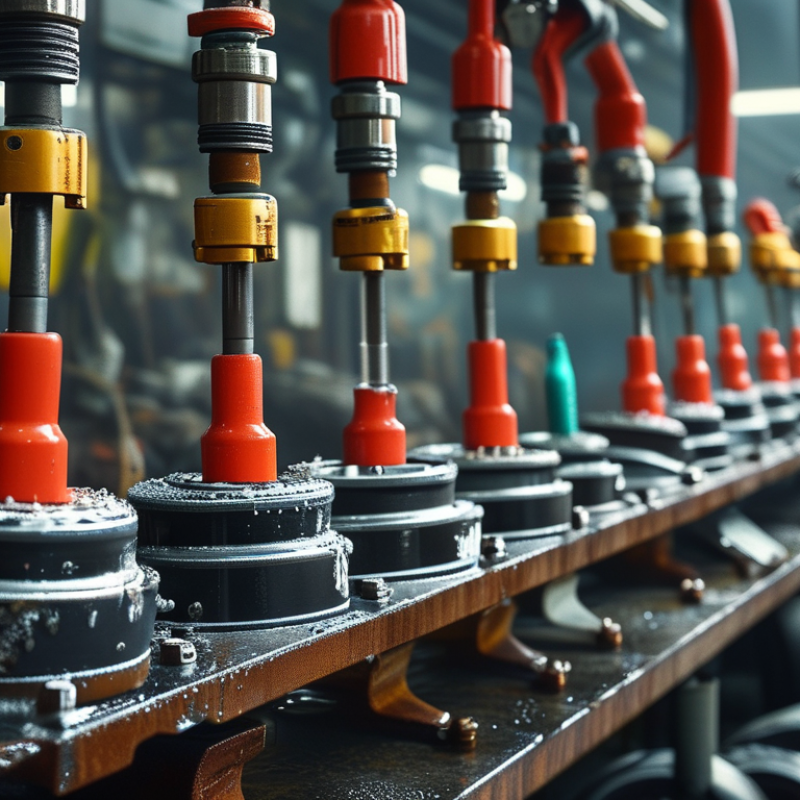
Common Manufacturing Defects in Auto Parts
Manufacturing defects in auto parts can lead to early failures, costing drivers money and time. Poor material choices are a common issue. For instance, low-grade metals may corrode quickly. This can lead to critical components, like brakes, failing prematurely. An improper heat treatment process can also diminish strength. As a result, parts may warp or fracture under pressure.
Another prevalent defect is poor assembly practices. If components are not aligned correctly, they can experience excessive wear and load. Many manufacturers overlook quality control, resulting in inconsistencies. Gaps or misfits can lead to vibrations or knocking noises, which indicate potential failures. In some cases, substandard welding can compromise the integrity of a part. These flaws are sometimes hard to detect until it’s too late.
Emphasizing reliability in auto parts production is crucial. Each step, from design to manufacturing, should prioritize safety and durability. Maintaining thorough testing and inspection protocols can help catch defects early. With better practices, we may avoid costly repairs and ensure safer driving experiences.
Impact of Poor Quality Materials on Longevity
The longevity of auto parts is often compromised by the use of poor-quality materials. Research shows that nearly 40% of early failures in automotive components can be traced back to substandard materials. When manufacturers cut corners, they risk durability. Weak metals corrode quickly, while low-grade plastics break down under stress. Not only does this lead to premature failures, but it also increases repair costs for vehicle owners.
Industry experts emphasize that quality control is essential in auto parts production. Approximately 60% of parts that fail within the first year exhibit signs of manufacturing defects. This highlights a significant impact on consumer trust and vehicle reliability. Specific data from the automotive sector shows that defective parts contribute to 50% of warranty claims. Consumers often find themselves facing unexpected repairs and significant expenses due to these failures.
Reflecting on these issues, it’s clear that the choice of materials can make or break the lifespan of auto parts. Many manufacturers still prioritize cost over quality, leading to serious repercussions. Continuous use of inferior materials could ultimately tarnish brand reputations and affect overall safety. The focus should shift towards durable, reliable materials that enhance long-term performance, rather than quick profits.
Top 10 Reasons Your Auto Parts Fail Early
This chart illustrates the most common reasons for premature auto parts failure, highlighting the significant impact of poor quality materials on longevity.
Effects of Incorrect Installation on Auto Part Durability
Incorrect installation is a leading cause of early auto part failure. When mechanics or DIY enthusiasts overlook specific details, it can lead to significant issues. A misaligned brake component, for example, can cause uneven wear, resulting in premature failure. Additionally, over-tightening bolts can strip threads. This damages the part and affects surrounding components, creating further complications.
Another common problem is improper torque settings. Each part has specific torque requirements. Using the wrong torque can lead to under-tightened or over-tightened installations. This not only affects performance but can also create safety hazards. A loose suspension component can lead to severe driving instability. While many rely on intuition or experience, it's crucial to consult manuals or guidelines.
Lastly, neglecting to clean surfaces before installation can introduce contaminants. Dust and grime can lead to poor contact and sealing. This can ultimately result in leaks or failures. Reflecting on installation practices can prevent costly repairs down the line. Attention to detail during installation is essential for ensuring the longevity of auto parts.
Top 10 Reasons Your Auto Parts Fail Early - Effects of Incorrect Installation on Auto Part Durability
| Reason |
Effect on Durability |
Examples of Parts Affected |
| 1. Misalignment |
Increased wear and tear |
Brakes, Suspension |
| 2. Over-Tightening |
Cracking and breakage |
Hoses, Bolts |
| 3. Incorrect Torque |
Failure of joints and seals |
Engine Components, Wheels |
| 4. Using Wrong Tools |
Damage to threads and surfaces |
Spark Plugs, Filters |
| 5. Poor Cleaning of Surfaces |
Contamination and failure |
Gaskets, Seals |
| 6. Faulty Assembly Order |
Inadequate connection |
Transmission, Axles |
| 7. Ignoring Manufacturer Instructions |
Component incompatibility |
Various Engine Parts |
| 8. Neglecting Electrical Connections |
Short circuits and failures |
Sensors, Batteries |
| 9. Using Incorrect Replacement Parts |
Reduced lifespan |
Filters, Belts |
| 10. Environmental Factors |
Corrosion and deterioration |
Exhaust Systems, Body Parts |
Environmental Factors Leading to Premature Wear
Environmental factors can significantly impact the lifespan of auto parts. Pollution, humidity, and temperature fluctuations contribute to wear and tear. According to a study by the Automotive Research Institute, vehicles exposed to extreme weather conditions are prone to a 30% increase in component failure rates. For instance, engines in humid climates often experience accelerated corrosion.
Road conditions also play a critical role. Rough or unpaved roads can lead to additional stress on suspension and tire components. According to data from the National Highway Traffic Safety Administration, driving on poorly maintained roads can decrease tire lifespan by 20%. Tires suffer from uneven wear, leading to higher replacement costs.
Tip: Regular maintenance can mitigate environmental damage. Inspect parts regularly for signs of wear or damage.
Furthermore, temperature extremes impact materials and lubricants. High heat can break down oils, while cold can stiffen rubber components. A report from the International Vehicle Institute indicates that temperature variations can shorten the life of belts and hoses by up to 50%.
Tip: Use high-quality fluids and materials suitable for your climate. Check fluid levels and replace them as needed.
By recognizing these environmental factors, drivers can make informed decisions about their vehicle maintenance and reduce the risk of premature part failures.
Importance of Regular Maintenance in Preventing Failures
Regular maintenance is crucial for your vehicle's longevity. Skipping routine checks can lead to premature auto parts failures. A simple oil change can prevent engine wear. Regularly inspect your brakes to ensure they function properly. Tires should be rotated and aligned every few thousand miles. This not only improves safety but also extends tire life.
Neglecting maintenance often reveals itself in unexpected ways. A small coolant leak can turn into an overheating engine. Old belts may snap, stranding you on the road. Many drivers fail to notice warning signs until it’s too late. Check your lights and indicators regularly. Addressing minor issues promptly can save you from costly repairs later on.
Taking action now fosters reliability in your vehicle. Many overlook air filters and wiper blades. These components gradually wear out, affecting visibility and air quality. Investing time in maintenance creates a safer driving experience. The path to a well-functioning car is laden with small, consistent efforts. Regular check-ups are not just a formality; they are essential.
Conclusion
Auto parts can fail early for a variety of reasons, often leading to costly repairs and safety concerns. One of the primary factors is common manufacturing defects, which can compromise the integrity of the components. Additionally, the use of poor quality materials significantly affects the longevity of auto parts, making them more susceptible to wear and tear. Incorrect installation is another critical aspect, as improper fitting can diminish the durability of even the highest quality parts.
Environmental factors also play a role in premature wear, with conditions such as extreme temperatures and exposure to corrosive elements accelerating the deterioration process. To mitigate these issues, regular maintenance is essential; it helps identify potential problems before they lead to failure. Understanding what causes auto parts to fail early allows vehicle owners to make informed decisions about their maintenance and care, ultimately ensuring safer and more reliable vehicle performance.

 OLO Auto Parts