Your car's performance often depends on its internal parts. Understanding what affects the performance of a car’s internal parts is crucial for any vehicle owner. Many drivers overlook these components, yet they play a significant role in overall efficiency and power.
Regular maintenance can significantly enhance the durability and functionality of these parts. For instance, engine oil quality impacts lubrication, directly influencing performance. If the oil is old or contaminated, it can't protect engine components efficiently. This can lead to wear and tear over time. Similarly, air filters must be clean. A clogged filter restricts airflow, compromising combustion efficiency.
Investing time in understanding your vehicle can yield impressive benefits. This process isn't just proactive; it requires a willingness to learn from mistakes. Recognizing issues early can save you money and improve your driving experience. Each part of your car requires attention. Ignoring them can lead to more significant problems down the road.
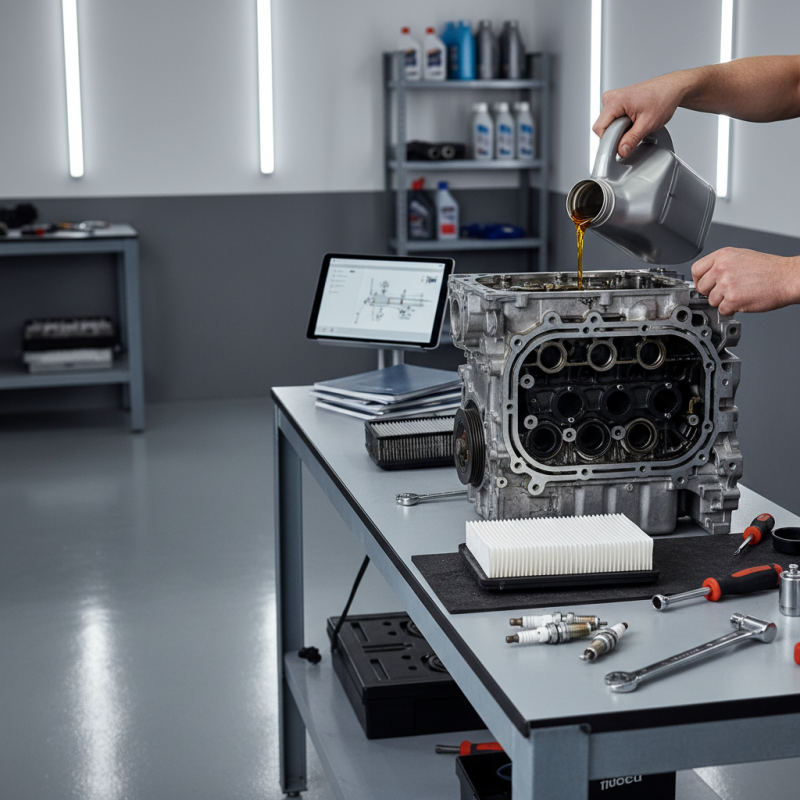
Understanding your car's internal parts is essential for optimal performance. Each component plays a specific role. For instance, the engine converts fuel into mechanical energy. It's the heart of your vehicle. The transmission then takes this energy and transmits it to the wheels. This process is crucial for movement.
Regular inspection of these parts can prevent issues. The oil pump, for example, circulates oil to lubricate components. If it fails, friction increases, leading to costly repairs. An overlooked radiator can also cause overheating. These problems are preventable, yet many drivers neglect them.
Pay attention to your car's internal systems. Small issues often snowball into larger problems. Ensure your timing belts are in good condition. They are vital for engine synchronization but can wear unexpectedly. Understanding these components helps you make informed maintenance decisions. After all, a well-maintained car runs smoother and lasts longer.
Regular maintenance is crucial for your car’s internal performance. Neglecting routine checks can lead to poor efficiency and costly repairs. Start with oil changes. Fresh oil keeps the engine lubricated and reduces wear. Check your owner’s manual for intervals. Don’t forget about filters; clean air and fuel filters enhance performance.
Inspecting belts and hoses is equally important. Look for cracks or fraying, which can lead to breakdowns. Tire pressure affects handling and fuel efficiency. Regularly check and adjust tires to the recommended levels. Battery maintenance is often overlooked. Clean corrosion from terminals to ensure optimal power flow.
Listening to your car can provide insights into its health. Unusual noises may indicate deeper problems. Regularly inspect your braking system and fluid levels. This simple task can prevent dangerous situations. Keeping track of these tasks builds a reliable routine. Adjust habits as necessary. Performance issues often emerge from tiny oversights. Be proactive in your approach.
| Tip Number | Maintenance Tip | Frequency | Benefits |
|---|---|---|---|
| 1 | Check and Change Engine Oil | Every 5,000 miles | Improves engine lubrication and performance |
| 2 | Inspect Air Filter | Every 12,000 miles | Enhances air intake and fuel efficiency |
| 3 | Monitor Tire Pressure | Monthly | Ensures proper handling and tire lifespan |
| 4 | Flush Radiator Coolant | Every 30,000 miles | Prevents overheating and engine damage |
| 5 | Replace Spark Plugs | Every 30,000 miles | Improves ignition and fuel economy |
| 6 | Check Brake Pads | Every 10,000 miles | Ensures safety and effective braking |
| 7 | Inspect Belts and Hoses | Every 15,000 miles | Prevents breakdown and component failure |
| 8 | Clean Fuel System | Every 20,000 miles | Improves fuel delivery and engine performance |
| 9 | Maintain Battery Condition | Monthly | Ensures reliable starting and electrical function |
| 10 | Check and Replace Wiper Blades | Every 6 months | Improves visibility and driving safety |
Choosing the right oil is essential for maximizing engine efficiency. The viscosity and composition of engine oil play a crucial role in the overall performance of your car. Using thicker oil may not always be beneficial. It can create unnecessary drag, affecting fuel economy. Oil that’s too thin could lead to inadequate lubrication, resulting in wear.
Different engines require different oil types. Follow the manufacturer’s recommendations closely. Various additives in oil can enhance performance, reduce deposits, and combat wear. However, claims on packaging may not reflect real-world performance. It’s worth researching specific oil characteristics that suit your car’s needs.
Regular oil changes are vital too. Old oil loses its effectiveness and can harm internal components. Paying attention to oil levels is equally critical. Low oil can cause serious damage, but too much oil can lead to foam formation. Balancing oil levels can be a challenge, yet it’s necessary for optimal function. Using the correct oil helps ensure your engine runs smoothly and efficiently.
Upgrading performance parts can truly enhance your car's capabilities. By focusing on internal components, you can achieve not only increased power but also extended longevity of your vehicle. Engine internals, like pistons and camshafts, can significantly change performance dynamics. High-performance components are often made from advanced materials that withstand stress better than stock parts.
Choosing the right upgrades is essential. Experts recommend evaluating your car's current performance and identifying areas for improvement. It’s vital to consider compatibility and how new parts will interact with existing systems. For instance, installing a more aggressive camshaft may require tuning adjustments to avoid mechanical conflicts.
Many enthusiasts see immediate benefits from these upgrades, yet some overlook the importance of regular maintenance. Components wear differently after performance upgrades. Pay close attention to oil changes and fluid levels. A neglected engine can negate all the benefits of your enhancements. Reflect on the balance between performance gains and upkeep needs. Successful modifications go hand in hand with responsible vehicle care.
This chart displays the potential performance improvements associated with different upgrades in car internal parts. Each upgrade can enhance power output and extend the longevity of your vehicle.
Proper tuning and calibration are crucial for maximizing your car’s internal efficiency. A well-maintained engine can significantly enhance performance. Start by checking the
air-fuel mixture. Adjusting the ratio can lead to smoother combustion. Too much fuel can waste power, while too little can lead to stalling.
Don’t overlook the importance of regular maintenance on components like the spark plugs and fuel injectors. These parts degrade over time, affecting efficiency. Sometimes, it’s beneficial to consult professionals who specialize in tuning. They can use advanced tools to diagnose specific issues. However, relying solely on experts without understanding the basics can be a pitfall.
Also, consider the role of software tuning. Many modern vehicles come with programmable engine controls. Tweaking these parameters can unleash hidden potential. Yet, improper tuning can also result in reduced reliability. Striving for that sweet spot between performance and longevity is essential. It's important to test your adjustments thoroughly under different conditions. Engage in consistent monitoring to track improvements or emerging issues.
: Knowing your car's parts helps ensure optimal performance and longevity.
The engine converts fuel into mechanical energy, acting as the vehicle's heart.
The transmission takes energy from the engine and directs it to the wheels for movement.
A failing oil pump increases friction, leading to costly repairs and potential engine damage.
Regular inspections can prevent small issues from becoming larger, more expensive problems.
Timing belts synchronize engine functions, yet they can wear out unexpectedly if not checked.
The right oil enhances efficiency, while wrong viscosity can lead to drag or insufficient lubrication.
Old oil loses effectiveness, risking damage to internal components and overall engine health.
Low oil can damage the engine, while too much can create foam, affecting lubrication.
Additives can enhance performance, but results may vary and should be researched.
Improving your car's internal parts performance is crucial for enhancing overall vehicle efficiency. Understanding your car's internal parts and their functions is the first step in identifying what affects the performance of a car’s internal parts. Regular maintenance, including oil changes and system checks, is essential for optimal operation. The choice of oil significantly influences engine efficiency, as the right oil can reduce friction and improve lubrication.
Additionally, upgrading performance parts can enhance both power and longevity, making your vehicle more responsive. Proper tuning and calibration will ensure that all components work harmoniously, maximizing internal efficiency. By following these tips, car owners can achieve better performance and prolong the lifespan of their vehicle’s internal systems.

OLO Auto Parts