In the automotive parts market, a common question arises: "Why are OEM parts more expensive than their aftermarket counterparts?" Original Equipment Manufacturer (OEM) parts are designed and produced by the vehicle's manufacturer. This ensures compatibility and quality, as supported by a 2022 report from the Automotive Aftermarket Suppliers Association (AASA). The report highlights that OEM parts can cost up to 60% more than aftermarket options, with factors such as research and development, quality assurance, and brand value playing crucial roles.
OEM parts undergo rigorous testing and stringent quality control measures, which add to their price. According to a study by the National Institute for Automotive Service Excellence, vehicles using OEM parts report fewer issues over their lifespan. However, consumers may feel hesitant due to the higher cost. The perception that aftermarket parts offer similar quality at a lower price can lead many to choose them instead.
Still, it's essential to consider long-term benefits. While aftermarket parts may save money initially, they can result in higher repair costs over time. Reflecting on this trade-off is vital for informed decision-making. Understanding the intrinsic value of OEM parts can help consumers make better choices amidst the price disparity.
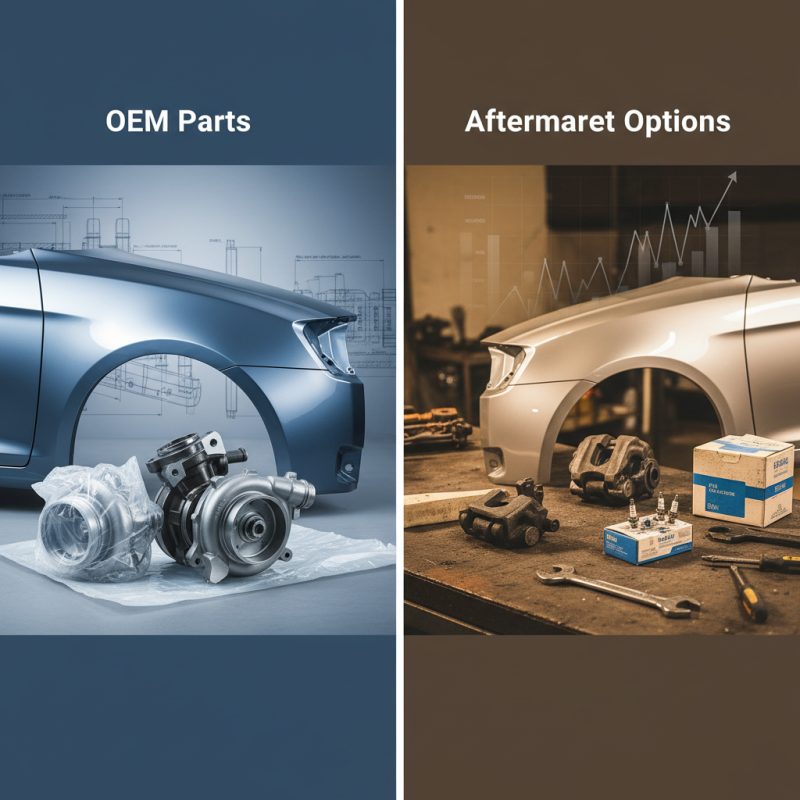
Understanding OEM Parts vs. Aftermarket Options in Automotive Industry
OEM parts, or Original Equipment Manufacturer parts, are designed and produced by the same manufacturer as the original components in a vehicle. These products often come with a higher price tag. According to a recent report, OEM parts can cost 20% to 50% more than their aftermarket counterparts. The primary reason is the quality assurance and durability associated with OEM parts. Manufacturers invest heavily in research and development to maintain high standards, which can justify the increased cost.
In contrast, aftermarket parts offer a broader range of options and competitive pricing. Although often less expensive, their quality can vary significantly. A study indicates that while some aftermarket parts perform well, others may not match the original specifications. This disparity can lead to potential issues in performance or fit. It's wise to consider reviews and ratings before choosing.
Tip: Always assess the warranty offered with both OEM and aftermarket parts. A good warranty can indicate confidence in the product's quality.
Understanding the difference between OEM and aftermarket is crucial. While OEM parts guarantee compatibility and performance, aftermarket options might save money but may come with risk. Buyers should weigh the pros and cons carefully. Quality should never be compromised for a cheaper price. Tip: Consider consulting a trusted mechanic for advice on parts. Their experience can provide valuable insights into the best choice for your vehicle.
Factors Contributing to Higher Costs of OEM Components
OEM parts often come with a higher price tag compared to aftermarket components. Several factors contribute to this price difference. Firstly, OEM parts are manufactured by the original equipment manufacturer. This means they meet specific standards set by the vehicle's designer. Quality control measures are stringent, ensuring durability and reliability.
Another factor is the development cost. OEM manufacturers invest extensively in research and development. This investment ensures that each part fits perfectly and functions optimally. Such thorough testing adds to the overall cost.
Tips: When choosing parts, think about performance and longevity. Sometimes, cheaper options may save money upfront but cost more in the long run. Additionally, consider warranty coverage. OEM parts often come with better warranty protection.
Despite the higher costs, OEM parts can deliver unmatched reliability. However, not all needs require OEM quality. Reflecting on your vehicle's needs and usage is crucial. Balancing price and performance is a thoughtful process. Research is key in making the best choice for your situation. Look into both OEM and aftermarket options carefully.
Quality and Warranty Differences Between OEM and Aftermarket Parts
When choosing automotive parts, many face the choice between OEM and aftermarket options. OEM parts, produced by the original manufacturer, often come at a higher price. This cost is justified by their quality and warranty support. According to industry reports, OEM parts can be around 30% to 50% more expensive than their aftermarket counterparts. The difference highlights a key factor: reliability.
Quality assurance is a critical differentiator. OEM parts undergo rigorous testing and adhere to strict specifications. Studies show that 90% of OEM parts pass quality control checks, while some aftermarket alternatives may lack these standards. This discrepancy can lead to inconsistent performance and potential safety risks. While cost savings with aftermarket parts can be tempting, the long-term implications may require careful consideration.
Warranties also reflect the confidence manufacturers have in their products. OEM parts typically come with a warranty of two years or more. In contrast, many aftermarket options offer limited warranties, often lasting only a few months. This difference not only indicates perceived durability but also impacts total ownership costs. While saving upfront seems appealing, the potential for higher long-term expenses must be factored in.
Why Are OEM Parts Often More Expensive Than Aftermarket Options? - Quality and Warranty Differences Between OEM and Aftermarket Parts
| Dimension |
OEM Parts |
Aftermarket Parts |
| Quality |
Designed to meet specific standards set by the manufacturer |
Variable quality depending on the manufacturer |
| Warranty |
Usually comes with a longer warranty period |
Warranty may be shorter or sometimes not offered |
| Price |
Typically more expensive due to higher quality and warranty |
Generally less expensive with potential trade-offs in quality |
| Fit and Compatibility |
Exact fit as per manufacturer specifications |
Might have fit issues or require modifications |
| Availability |
Often readily available through authorized dealerships |
Widely available through various retailers |
Impact of Brand Reputation on Pricing of OEM Parts
When it comes to automotive parts, OEM parts often carry a higher price tag than their aftermarket counterparts. This is largely influenced by brand reputation. OEM manufacturers invest significantly in quality control and rigorous testing. This commitment to quality can enhance consumer trust. A reliable name can be worth the extra cost.
Brands that have established themselves in the market often draw a loyal customer base. This loyalty is cultivated over years of delivering durable and well-functioning parts. However, this doesn’t mean that every OEM part is perfect. Sometimes, consumers may wonder if the cost truly reflects the quality. The disparity in pricing raises questions about whether it’s the brand prestige or the actual product performance that justifies the expense.
While OEM parts typically promise reliability, the value may not always be apparent. In some cases, consumers find suitable aftermarket options that perform just as well. This can lead to reflections on whether one should always opt for the established name. Ultimately, consumers must weigh their choices based on their experiences and the outcomes of their purchases. The decision lies between trust in a well-known brand and exploring less recognized alternatives that could offer equal, if not superior, performance at a lower price.
Consumer Preferences and Market Demand for OEM vs. Aftermarket Parts
When it comes to auto parts, consumer preferences greatly influence market demand. OEM parts usually attract buyers seeking reliability and quality assurance. These parts are made by the vehicle's original manufacturer, ensuring a perfect fit and performance that meets factory standards. Many consumers, especially those unfamiliar with car repairs, prefer the peace of mind that OEM parts provide. This trust stems from the consistent quality associated with the original production process.
On the other hand, aftermarket parts often appeal to budget-conscious consumers. They are typically less expensive, enhancing their attractiveness. However, quality can vary significantly. Some aftermarket options may not meet the same standards as OEM parts. This uncertainty can deter buyers. Nevertheless, savvy consumers often seek these alternatives for cost savings, knowing they may sometimes offer similar performance. Brands or mechanics they trust can influence their choices.
Ultimately, the choice between OEM and aftermarket parts reflects a balance of factors. There's a notable tug-of-war between a desire for quality and the need for affordability. Each consumer must weigh their priorities. It's crucial to research and consider the long-term implications of their decisions. The landscape is complex, with no one-size-fits-all solution.
Comparison of OEM Parts vs. Aftermarket Parts Prices
This chart illustrates the average price comparison between OEM parts and aftermarket parts. As observed, OEM parts tend to be significantly more expensive than aftermarket options, reflecting consumer preferences for quality assurance and reliability.
Conclusion
The article "Why Are OEM Parts Often More Expensive Than Aftermarket Options?" delves into the differences between Original Equipment Manufacturer (OEM) parts and aftermarket products in the automotive industry. One key reason why OEM parts are more expensive lies in the factors contributing to their higher costs, such as strict manufacturing standards and extensive research and development processes. Additionally, the warranty and quality assurances provided by OEM components enhance their value, despite the greater expense.
Furthermore, brand reputation plays a significant role in the pricing of OEM parts. Consumers often prefer OEM components due to their perceived reliability and durability, which drives demand and allows manufacturers to maintain higher prices. Overall, understanding why are OEM parts more expensive involves recognizing their quality, warranty benefits, and the impact of consumer preferences in the market.

 OLO Auto Parts