What is a Knock Sensor Unit and How Does It Work?

Time:2026-03-18 Author:Sophia
0%

A Knock Sensor Unit is a crucial component in modern vehicles. It monitors engine knock, which is a sign of ineffective combustion. If left unchecked, knock can damage the engine. The unit detects vibrations caused by knocking and sends signals to the engine control unit. This prevents potential harm to engine components.

The Knock Sensor Unit functions by using a piezoelectric element. This element generates voltage when it senses vibrations. The higher the knock intensity, the stronger the signals sent. However, various factors can affect its performance. Sensor placement and vehicle design play significant roles. Older vehicles may lack advanced sensors, leading to issues.

Understanding how the Knock Sensor Unit operates is essential for vehicle maintenance. Regular checks can prevent severe engine problems. Yet, many car owners overlook this crucial aspect. Awareness of its function can lead to better vehicle longevity. Let’s explore the Knock Sensor Unit and its importance in the automotive world.
What is a Knock Sensor Unit and How Does It Work?

What is a Knock Sensor Unit?

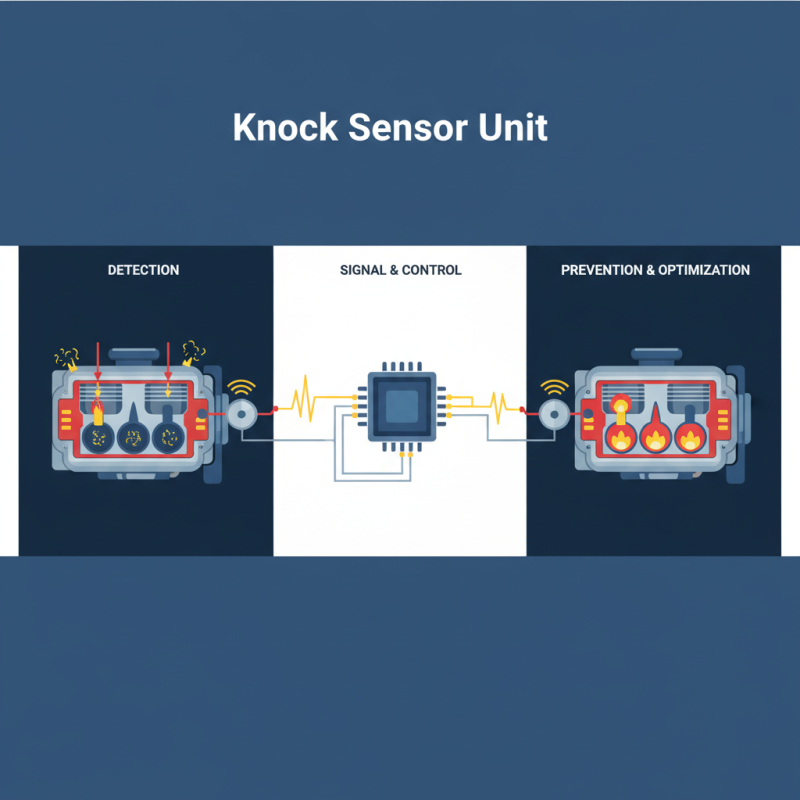
A knock sensor unit is a crucial component in modern engines. It monitors engine vibrations that indicate knocking or pinging. This knocking can cause significant damage if left unchecked. The sensor detects these vibrations and sends a signal to the engine control unit (ECU). The ECU then adjusts the ignition timing to prevent engine damage.

In operation, the knock sensor usually sits on the engine block. Its location allows it to capture vibrations effectively. It typically uses piezoelectric technology to convert vibrations into electrical signals. These signals help the ECU make real-time adjustments. It's remarkable how a small unit can protect a complex engine system.

However, knock sensors can fail. Sometimes, they send incorrect signals. This may result in poor engine performance. Drivers might not always notice these subtle changes. Regular monitoring and checks can prevent bigger issues. Many overlook this part during regular maintenance, posing a risk to engine longevity.

The Role of Knock Sensors in Engine Performance

Knock sensors play a vital role in optimizing engine performance. They are small devices positioned on the engine block. Their main job is to detect vibrations caused by engine knock, a condition where fuel ignites prematurely. This can lead to a loss of power and even engine damage. By monitoring these vibrations, knock sensors help manage ignition timing.

When a knock is detected, the engine control unit (ECU) adjusts the timing to prevent further knocking. This process enhances fuel efficiency and improves horsepower. Many enthusiasts may overlook the significance of this. A malfunctioning knock sensor can lead to poor performance and decreased fuel economy. It's critical to ensure that these sensors are functioning properly.

Regular checks and maintenance can help avoid issues. Drivers should notice warning signs like unusual engine sounds or reduced responsiveness. Addressing these issues promptly can save time and money. While the technology is reliable, even the best systems can fail. Reflection on the importance of knock sensors can lead to better decisions regarding engine care.

Knock Sensor Data Analysis

This chart displays the relationship between engine RPM and knock sensor voltage output. Higher RPMs can lead to increased instances of knocking, which the sensor detects by producing varying voltage outputs. This data helps in understanding engine performance and tuning requirements.

How Knock Sensors Detect Engine Knock: A Technical Overview

Knock sensors play a crucial role in modern engines. They detect abnormal combustion events, known as “knocking.” This phenomenon occurs when fuel ignites prematurely, causing potential damage. A study from the Society of Automotive Engineers reported that engine knock can decrease performance by up to 15% if unchecked.

These sensors typically use piezoelectric crystal technology. They generate an electrical signal in response to vibrations caused by knocking. This vibrating motion produces a frequency that the engine control unit (ECU) can analyze. If knock is detected, the ECU adjusts ignition timing to prevent engine damage. However, not all sensors are perfect. False readings can lead to unnecessary adjustments, affecting engine efficiency.

Moreover, knock sensors can degrade over time. Environmental factors like heat and vibration can affect their reliability. A report from the International Journal of Automotive Engineering noted that faulty sensors might contribute to a 10% increase in emissions. It's crucial for vehicle maintenance. Regular inspections can help identify sensor issues early and prevent costly repairs.

What is a Knock Sensor Unit and How Does It Work?

Dimension Description
Function Detects engine knock (pre-ignition or detonation conditions) to optimize engine performance.
Sensor Type Usually a piezoelectric sensor or a MEMS (Micro-Electro-Mechanical Systems) device.
Location Typically mounted on the engine block or cylinder head for optimal sensitivity.
Output Signal Generates a voltage signal that varies with vibration frequency indicative of knock.
ECU Role The Engine Control Unit (ECU) interprets the signal to adjust ignition timing and fuel mixture.
Importance Prevents engine damage, enhances efficiency, and improves power output.
Regular Maintenance Regular checks can prevent sensor failure and ensure optimal engine performance.

Common Problems and Diagnostics of Knock Sensor Units

A knock sensor unit plays a crucial role in modern vehicles by detecting engine vibrations. It helps optimize performance and prevent damage. However, these sensors can encounter several problems over time. Common issues include wiring problems, sensor failure, and incorrect mounting.

Wiring problems often occur due to wear and tear. A damaged wire can lead to inaccurate readings. This might cause the engine to misfire or run inefficiently. If you notice changes in engine performance, it may be time to check the wiring of your knock sensor.

Sensor failure can also lead to significant issues. If the sensor is faulty, it won't detect vibrations correctly. A common symptom includes a sudden drop in engine power or a check engine light illuminating on the dashboard. Inspecting and testing the sensor regularly is a wise practice.

Tips: Regularly inspect your vehicle’s wiring for signs of wear. Clean components around the knock sensor to ensure proper operation. Early detection is key to avoiding costly repairs. Make a habit of addressing engine warning lights promptly. Ignoring these can lead to bigger issues down the line.

The Impact of Knock Sensors on Fuel Efficiency and Emissions

Knock sensors play a crucial role in modern engines. They help detect unwanted knocking or pinging sounds during combustion. When a vehicle engine runs smoothly, it delivers better performance. However, any knocking can indicate potential issues. This is where knock sensors come into play, adjusting engine timing to maintain efficiency.

The impact of knock sensors on fuel efficiency cannot be overstated. By detecting irregular combustion, these sensors adjust timing to optimize power output and reduce waste. Engines running efficiently use less fuel and produce fewer emissions. This leads to a more environmentally friendly vehicle. With less fuel consumed, the carbon footprint shrinks. However, relying solely on these sensors may lead to complacency in regular engine maintenance.

Moreover, the effectiveness of knock sensors can vary. Some systems rely heavily on electronic components that may fail over time. When knock sensors do not function optimally, engine performance may suffer. This can result in heightened emissions and lower fuel efficiency. Regular assessment of these vital components ensures the engine runs efficiently. Awareness of potential shortcomings can enhance both vehicle ownership and environmental responsibility.

FAQS

: What is a knock sensor unit?

: A knock sensor unit monitors engine vibrations to detect knocking or pinging sounds. It protects the engine from damage.

Where is the knock sensor typically located?

The knock sensor usually sits on the engine block to effectively capture vibrations from the engine.

How does a knock sensor work?

It uses piezoelectric technology to convert vibrations into electrical signals. These signals help the engine control unit adjust ignition timing.

What are common problems with knock sensors?

Common issues include wiring problems, sensor failure, and incorrect mounting. Each can impact engine performance negatively.

How can wiring problems affect engine performance?

Damaged wires may lead to inaccurate readings, causing the engine to misfire or run inefficiently. Regular checks are necessary.

What symptoms indicate a faulty knock sensor?

A sudden drop in engine power or an illuminated check engine light may signal a bad knock sensor.

How can knock sensors impact fuel efficiency?

By adjusting engine timing, they help optimize power output, reduce waste, and improve fuel efficiency. This lowers emissions.

Why is regular maintenance of knock sensors essential?

Neglecting them can lead to poor performance and higher emissions. A good habit is to inspect them frequently for wear.

What can happen if warning lights are ignored?

Ignoring engine warning lights can lead to more significant issues and costly repairs. Early detection is crucial.

Are there any limitations to relying on knock sensors?

Yes, over-reliance can lead to complacency in regular maintenance. Awareness of potential issues keeps the engine running effectively.

Conclusion

A Knock Sensor Unit is a critical component in modern engines that monitors vibrations associated with engine knock, a phenomenon that can lead to reduced performance and potential damage. By accurately detecting specific sound frequencies produced during combustion, the knock sensor allows the engine control unit (ECU) to make real-time adjustments to ignition timing and fuel mixture, optimizing engine performance and efficiency.

The role of knock sensors extends beyond performance enhancement; they also contribute significantly to fuel efficiency and lower emissions. Common issues with knock sensor units include wiring problems, sensor failure, and calibration errors, which can lead to engine knocking that adversely affects overall operation. Proper diagnostics and timely maintenance of the Knock Sensor Unit are essential for ensuring the longevity and efficiency of automotive engines.

Sophia

Sophia

Sophia is a dedicated marketing professional with an exceptional depth of knowledge about her company's products and services. With a keen understanding of market trends and customer needs, she crafts insightful blog posts that not only inform but also engage readers, enriching the company’s online......