Weather is more than a change in the forecast. It can alter how a vehicle starts, stops, grips the road, and protects its electrical systems. Cold mornings may thicken fluids and weaken battery output. Hot afternoons can raise engine temperatures and speed up tire wear. Rain, snow, road salt, dust, and strong sunlight each place different demands on auto parts. Small changes matter.
Why do weather conditions affect auto part performance? Many components rely on materials and fluids that respond to temperature and moisture. Rubber can stiffen in freezing conditions or age faster under heat and ultraviolet exposure. Water may encourage corrosion on exposed metal and electrical connections, while icy roads reduce tire traction and increase braking demands. The effects vary with vehicle design, part condition, maintenance, and driving habits, so weather alone does not explain every failure.
This guide examines ten ways weather can influence auto parts, from batteries and tires to brakes, wipers, and cooling systems. It also points out practical signs drivers can notice, such as slow cranking, uneven tread, or streaks left by worn wiper blades. These clues do not replace a professional inspection. They can, however, help drivers ask better questions and address wear before a small issue becomes a roadside problem. Conditions differ. A useful reminder: no single maintenance schedule fits every climate, vehicle, or commute.
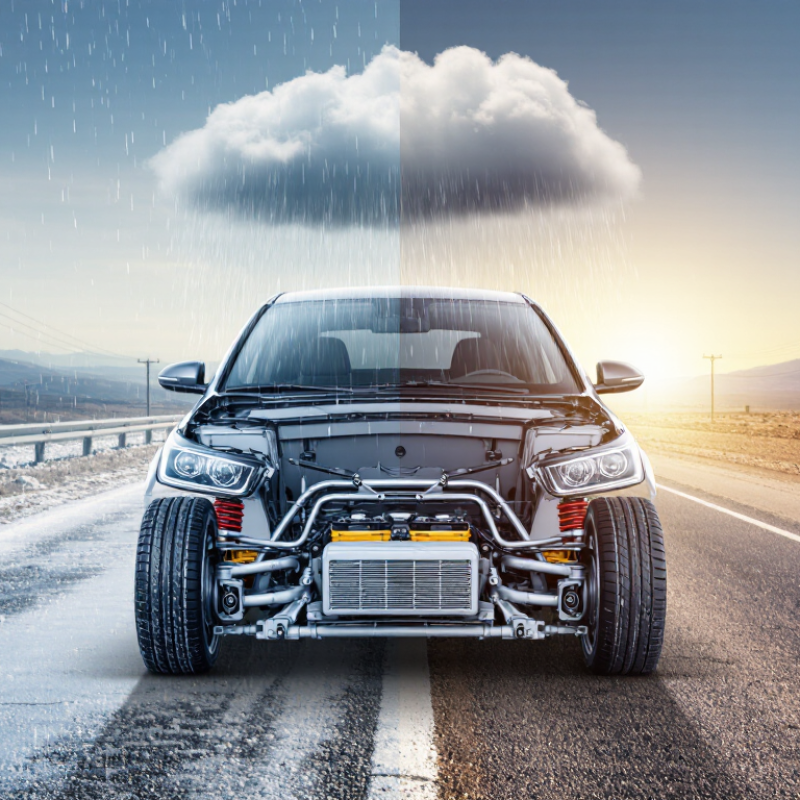
Weather changes how auto parts perform, often before a driver notices. Cold air can reduce a battery’s available output and make engine oil flow more slowly during startup. Rubber seals and hoses may stiffen, while tire pressure typically drops as temperatures fall. Heat creates different stress. It can raise tire pressure, increase cooling-system workload, and speed wear on some plastic and rubber components. Small changes matter.
Rain and humidity can leave moisture around electrical connectors, encouraging corrosion over time. Road salt can accelerate rust on exposed metal, brake components, and underbody parts. After heavy rain, brakes may feel less responsive briefly until their surfaces dry. Dust and dry heat can also clog filters and increase wear on moving parts. A visual inspection helps, but it may miss hidden damage. That is worth remembering.
Tips: Check tire pressure when tires are cold, and follow the vehicle manual for service intervals and fluid specifications. After winter, inspect the underbody for rust and rinse away salt when practical. Watch for warning lights or unusual sounds; weather may contribute, but it is not always the cause.
Extreme cold makes engine oil thicker, so it moves more slowly through narrow passages after startup. The U.S. Department of Energy reports that conventional gasoline vehicles average about 12% lower fuel economy at 20°F than at 77°F; short trips can make the drop larger. Cold also challenges batteries. AAA’s 2019 battery research found that a battery can lose around 60% of its available power at 0°F, while an engine may need nearly twice as much power to start. A slow crank on a frosty morning is a warning, not a diagnosis.
Heat brings different stress: it accelerates fluid breakdown and can increase cooling-system pressure, especially when coolant is old or incorrectly mixed. These figures describe test conditions, not every vehicle. Real wear varies.
Tips: Check the owner’s manual for the correct oil viscosity and coolant mixture before seasonal extremes. Have a weak battery tested before winter, and inspect fluid levels for leaks or discoloration. Short trips deserve attention; fluids may not warm fully. That part is easy to overlook. Don’t assume a recent service guarantees protection—conditions and maintenance history still matter.
Rain and humidity can affect several vehicle systems at once. Water may enter damaged wire insulation or connectors, causing corrosion and intermittent electrical faults. A flickering dashboard light or a window that responds inconsistently can be an early clue. Moisture alone does not prove a component has failed, so inspect connections before replacing parts.
Brakes also need attention after wet weather. Water on rotor surfaces can briefly reduce braking feel, while trapped moisture may encourage corrosion during long periods of parking. A short squeak after rain can disappear as parts dry, but grinding, pulling, or a soft pedal deserves prompt inspection. Interior moisture is easy to overlook. Damp carpets, fogged windows, and a musty smell may point to leaks around doors, windows, or the cabin air intake. Small leaks matter. Left unchecked, they can keep wiring and trim damp.
Tips: After heavy rain, check floor mats and the spare-tire well for standing water. Dry wet interiors promptly, and avoid probing electrical connectors unless you know how to do so safely. Keep a simple record of recurring warning lights or brake changes; patterns help a technician diagnose the cause. I would not assume every symptom is weather-related, though. A careful inspection is more reliable than guessing.
Mechanism-based relative impact ratings (1 = lower, 5 = higher). These qualitative ratings compare potential moisture exposure, not measured failure rates.
Moisture can promote corrosion at electrical connections, reduce brake friction temporarily when components are wet, and contribute to dampness or odors in cabin materials. Actual effects depend on vehicle design, maintenance, exposure, and drainage.
Snow can fill tire grooves and reduce the edges that grip slush. Ice makes stopping distances longer, even when the road looks merely wet. Cold air also lowers tire pressure, so check it against the vehicle’s recommended figure, not the maximum printed on the tire. Look for uneven wear and cuts after hitting hidden potholes. Small checks matter.
Road salt helps control ice, but it can cling to brake components and encourage corrosion. A brief squeal after a wet, salty drive may come from surface rust; persistent noise, pulling, or a soft pedal needs prompt professional inspection. Avoid hard braking when conditions allow, and leave more room ahead. Salt keeps working.
The undercarriage takes much of the spray from salted roads. It can collect around seams, suspension parts, and brake lines, where damage may be hard to see. Rinse the underside periodically during winter, especially after heavy salting, and follow the vehicle manual’s care guidance. One easy mistake is trusting a clean-looking body: hidden areas may still be coated. If you notice flaking metal or damaged lines, have a qualified technician inspect them rather than reaching beneath an unsupported vehicle.
Sunlight causes more than fading. Ultraviolet exposure can dry door seals, wiper edges, dashboard surfaces, and exterior coatings. Heat speeds material aging, leaving rubber brittle or trim faded. NOAA and EPA classify UV Index values of 6–7 as high, though the index measures human exposure, not a part’s service life. That distinction matters. The Federal Highway Administration’s 2019 weather report estimates that weather contributes to about 21% of crashes, 16% of fatalities, and 19% of injuries in the United States. Those figures do not measure parts wear, but they reinforce the value of checking cracked wipers, cloudy lamps, and sun-glared glass.
Wind-driven grit can slowly scour paint and headlamp lenses. Dust also enters through ventilation intakes and open doors, loading the cabin filter. ISO 11155-1:2019 specifies tests for cabin-filter particle efficiency and pressure drop; as a filter loads, airflow may weaken. Dust gets everywhere. After a dusty commute, check the filter and listen for a strained blower. A quick wipe of the dashboard helps, but it cannot repair sun-dried material. Service intervals vary with climate and road conditions, and a standard schedule may not reflect a gravel-road commute.
Cold thickens engine oil, so it moves more slowly after startup. The battery also delivers less power. A slow crank is a warning, not a diagnosis.
Tire pressure usually drops in cold weather and rises in heat. Check cold tires against the vehicle manual’s recommended pressure. Small checks matter.
Heat can increase cooling-system workload and speed fluid breakdown. Old or incorrectly mixed coolant may add stress. Check fluid levels and look for leaks.
Check the undercarriage, brake components, and exposed metal for rust or damage. Rinse away salt when practical. A clean body can fool you.
Brakes may feel less responsive briefly after heavy rain, until their surfaces dry. Persistent noise, pulling, or a soft pedal needs professional inspection.
Look for uneven tire wear, cuts, persistent squealing, or changes in braking. Hidden potholes can damage tires. It is easy to miss them.
No. Rust or damage may hide around seams, suspension parts, and brake lines. Have a qualified technician inspect concerns you cannot safely assess.
Follow the manual for oil viscosity, coolant mixture, service intervals, and tire pressure. Have a weak battery tested before winter. Recent service is not a guarantee.
Weather affects auto parts in many ways, and understanding why weather conditions affect auto part performance can help drivers recognize changing maintenance needs. Extreme heat can strain engines, accelerate battery wear, and thin or break down essential fluids. Cold temperatures may make engines harder to start, reduce battery output, and thicken fluids, limiting their ability to circulate efficiently. Rain and humidity can encourage corrosion, interfere with electrical connections, reduce braking effectiveness, and contribute to dampness or wear inside the cabin.
Snow, ice, and road salt create additional challenges for tires, brakes, and undercarriages. Slippery surfaces reduce tire grip, while salt and moisture can speed up corrosion on exposed components. Sunlight can fade paint and damage dashboards and other interior materials; wind and dust may wear exterior finishes, clog filters, or enter cabin systems. Together, these conditions show that temperature, moisture, road exposure, and airborne particles all influence how reliably auto parts perform over time.

OLO Auto Parts