How to Extend the Life of Auto Parts for Better Performance?

Time:2026-06-10 Author:Mason
0%

Extending the life of auto parts is crucial for any vehicle owner. Understanding how to extend the life of auto parts not only enhances performance but also saves money in the long run. Proper maintenance and timely replacements are key factors.

Many drivers overlook simple practices that can prolong the lifespan of their car components. Regular inspections can help identify potential issues before they escalate. Additionally, using high-quality products can make a significant difference. Sometimes, spending a little extra on parts gives better results over time.

However, there are challenges. Some drivers dismiss the importance of routine care. They might ignore warning signs, leading to costly repairs. The complexity of modern vehicles can add to the confusion. It’s essential to strike a balance between DIY maintenance and professional help. Reflecting on these aspects can encourage better habits for maintaining auto parts.
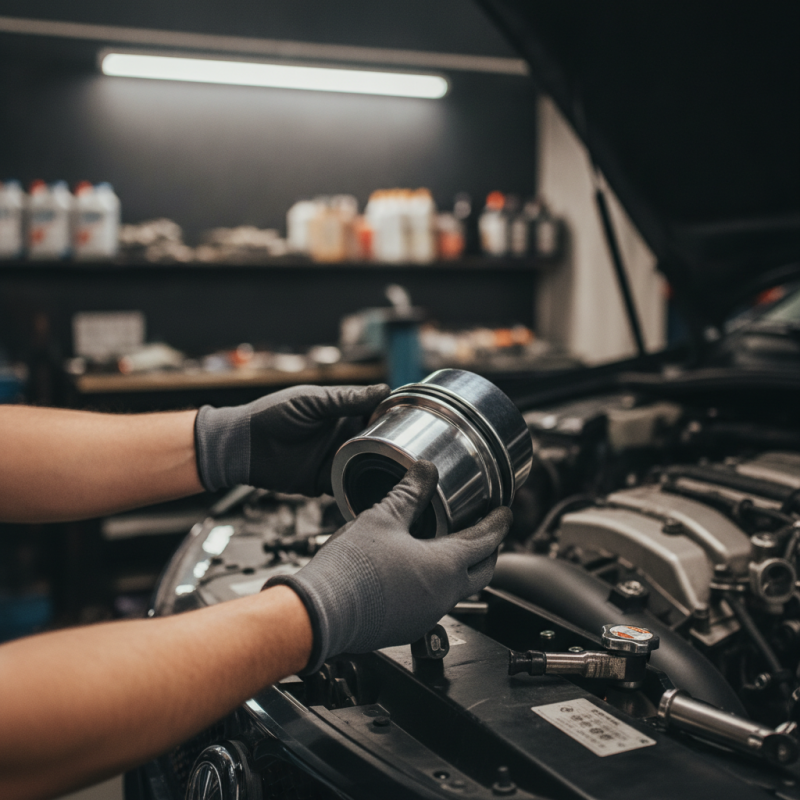
How to Extend the Life of Auto Parts for Better Performance?

Best Practices for Regular Maintenance of Auto Parts

Regular maintenance is essential for the longevity of auto parts. Routine checks can prevent minor issues from becoming major problems. Inspecting brakes, tires, and fluids should be part of your regular schedule. For instance, checking tire pressure monthly can improve fuel efficiency and prolong tire life. Changing oil regularly is crucial too. Dirty oil can lead to engine wear and tear.

Cleaning parts like the air filter can enhance performance. A clean filter promotes better airflow and increases horsepower. Remember, even small details matter. Checking wiper blades for tears or streaks can improve visibility during rainstorms. Neglecting these elements can compromise safety and efficiency.

Moreover, even with the best intentions, some owners overlook maintenance schedules. This oversight can lead to costly repairs. Staying informed about when to service parts helps. Using a checklist can make tracking easier. The goal is to foster proactive management of your vehicle, ensuring all parts work optimally. A little effort goes a long way in extending the life of auto parts.

Understanding the Role of Lubrication in Extending Auto Part Lifespan

Lubrication plays a vital role in extending the lifespan of auto parts. Properly lubricated components reduce friction and wear, which are significant causes of mechanical failure. A study from the Society of Automotive Engineers suggests that effective lubrication can improve component life by 40%. This reduction in wear translates directly into better performance and reliability for vehicles.

Maintaining the right level of lubrication is key. Insufficient lubricant can lead to overheating, causing parts to warp or seize. Conversely, over-lubrication can attract dirt and debris, resulting in adverse effects. Regularly checking fluid levels and quality is essential. Consider using synthetic oils, which often provide superior performance and longer intervals between changes.

**Tips:**
- Regularly inspect the lubrication system for leaks.
- Use high-quality lubricants recommended for your vehicle type.
- Replace filters and clean components as part of routine maintenance.

The relationship between lubrication and performance cannot be understated. Neglecting proper lubrication practices can lead to costly repairs. Many vehicle owners overlook this until it's too late. Preventive maintenance is crucial. Regular checks and balances can save time and money down the road.

How to Extend the Life of Auto Parts for Better Performance? - Understanding the Role of Lubrication in Extending Auto Part Lifespan

Auto Part Typical Lifespan (Years) Recommended Lubrication Frequency Impact of Lubrication on Lifespan
Engine Oil 5-7 Every 5,000 miles Can extend lifespan by up to 50%
Brake Pads 3-5 Every 25,000 miles Improves performance and reduces wear
Transmission Fluid 7-10 Every 30,000 miles Enhances shifting performance and longevity
Differential Fluid 5-8 Every 50,000 miles Reduces friction and increases efficiency
Wheel Bearings 6-8 Every 30,000 miles Extends life by minimizing wear and heat

Impact of Environmental Factors on Auto Parts Durability

Environmental factors can significantly impact the durability of auto parts. Exposure to harsh weather, pollutants, and road conditions degrades materials over time. Research indicates that UV rays can weaken plastics and rubber components, leading to failure. A study by the Society of Automotive Engineers revealed that extreme temperatures can reduce the lifespan of engine components by nearly 25%.

Moisture also plays a critical role in the longevity of auto parts. Corrosion is accelerated in humid climates, affecting metal components and electrical systems. The National Institute of Standards and Technology found that vehicles in coastal regions face a 30% higher risk of rust-related failures. Regular maintenance, such as washing the vehicle and applying protective coatings, can mitigate these effects. However, many car owners overlook these preventive measures.

It’s essential to recognize that even high-quality parts are not immune to environmental degradation. Many drivers assume that better materials guarantee longevity but often neglect the broader impact of their surroundings. Adapting maintenance routines based on environmental conditions can enhance performance. Ignoring these factors may lead to unexpected costs and safety issues down the line.

Utilizing High-Quality Parts for Enhanced Performance and Longevity

Choosing high-quality auto parts is crucial for enhancing your vehicle’s performance and longevity. Durable components can withstand wear and tear better than lower-quality options. For instance, investing in premium brake pads can lead to safer stops and less frequent replacements. Many car owners focus on flashy upgrades but overlook the impact of solid, reliable parts. A focus on quality can ultimately save time and money.

Furthermore, the importance of proper installation cannot be underestimated. Even the best parts can falter if they are not fitted correctly. A DIY approach may be tempting, but it can lead to mistakes. Engaging a professional mechanic can ensure that parts function as intended. This decision may cost more upfront, but it pays off in the long run through decreased maintenance.

While investing in high-quality parts is essential, consistency in maintenance is also key. Regular inspections can catch small issues before they become larger problems. Ignoring minor wear can lead to frustrating breakdowns. Each decision you make impacts your vehicle’s overall health. Reflecting on these choices can lead to better outcomes.

Monitoring and Diagnosing Auto Part Wear: Tools and Techniques

Monitoring the wear and tear of auto parts is essential for optimal vehicle performance. Diagnosing potential issues early can prevent costly repairs in the future. Various tools and techniques can aid in this monitoring process. For example, using a basic visual inspection can reveal cracks or leaks in hoses and belts. These assessments should occur regularly, especially before long trips or after rough driving conditions.

While advanced equipment like OBD-II scanners provides real-time data on engine performance, they are often underutilized. Many car owners overlook the value of these diagnostic tools. Understanding what error codes mean can significantly improve maintenance strategies. Regularly checking oil levels and coolant conditions is also critical. However, not everyone may check these items frequently enough.

Techniques like using a torque wrench can ensure bolts are tightened properly. This simple tool can prevent part failures due to loose fittings. However, it’s common for DIY enthusiasts to skip this step. Equipment like tread depth gauges for tires can help assess safety. Yet, many drivers fall behind in this area as well. Taking responsibility for monitoring these aspects can enhance the lifespan of auto parts.

FAQS

: Why is lubrication important for auto parts?

: Lubrication reduces friction and wear, extending the lifespan of auto components significantly.

What happens if there is insufficient lubrication?

Insufficient lubricant can lead to overheating, causing parts to warp or even seize.

Can over-lubrication be harmful?

Yes, over-lubrication can attract dirt and debris, which negatively impacts performance.

How often should I check my vehicle’s lubrication levels?

Regular checks on fluid levels and quality are essential for maintaining optimal performance.

What is a common mistake vehicle owners make?

Many overlook the importance of proper lubrication until it leads to costly repairs.

How do quality parts impact vehicle performance?

High-quality parts can withstand wear better, enhancing safety and longevity overall.

Is professional installation necessary for auto parts?

Yes, professional installation ensures parts function correctly and reduces the risk of mistakes.

How can regular inspections help vehicle owners?

Regular inspections catch small issues before they escalate into major problems and breakdowns.

What tools can help monitor auto part wear?

Tools like OBD-II scanners and torque wrenches can significantly improve maintenance strategies.

Why do some drivers neglect monitoring their vehicle?

Many drivers find it easy to forget regular maintenance checks, risking their vehicle’s health.

Conclusion

To understand how to extend the life of auto parts, it's crucial to adopt best practices for regular maintenance. Regular checks and servicing can prevent premature wear, ensuring optimal performance. Additionally, lubrication plays a significant role; adequately lubricated parts are less prone to friction-related damage, thereby enhancing their durability.

Moreover, environmental factors such as extreme temperatures and humidity can significantly affect auto parts' longevity. Utilizing high-quality parts is another essential factor in prolonging their lifespan. Lastly, monitoring and diagnosing wear using appropriate tools and techniques can help identify issues early, allowing for timely repairs that maintain performance. By following these strategies, vehicle owners can effectively extend the life of auto parts and ensure their vehicles run smoothly for years to come.

Mason

Mason

Mason is a seasoned marketing professional with a deep expertise in the company's offerings and a passion for driving brand awareness. With a strong background in digital marketing strategies, he has an innate ability to connect with diverse audiences and effectively communicate product benefits.......