10 Common Causes of Early Auto Parts Failure Explained

Time:2026-05-05 Author:Sienna
0%

Understanding "What causes auto parts to fail early" is crucial for vehicle longevity and safety. According to industry expert Dr. Emily Carter, “Even the best parts can fail due to improper installation or maintenance.” Her insights highlight the need for careful attention to both the quality of the parts and the processes involved in their use.

Many drivers often overlook the hidden factors that contribute to premature component failure. In harsh driving conditions, parts can wear out faster than expected. Factors like poor alignment or inadequate lubrication may accelerate the breakdown of critical systems. It's essential to recognize these issues early to avoid costly repairs.

Unfortunately, many vehicle owners are unaware of these risks. Ignoring regular maintenance can lead to significant problems down the road. Evaluating the specific reasons behind failures is the first step in preventing them. Understanding what leads to early wear can empower drivers to make informed decisions about their vehicle’s care and upkeep.
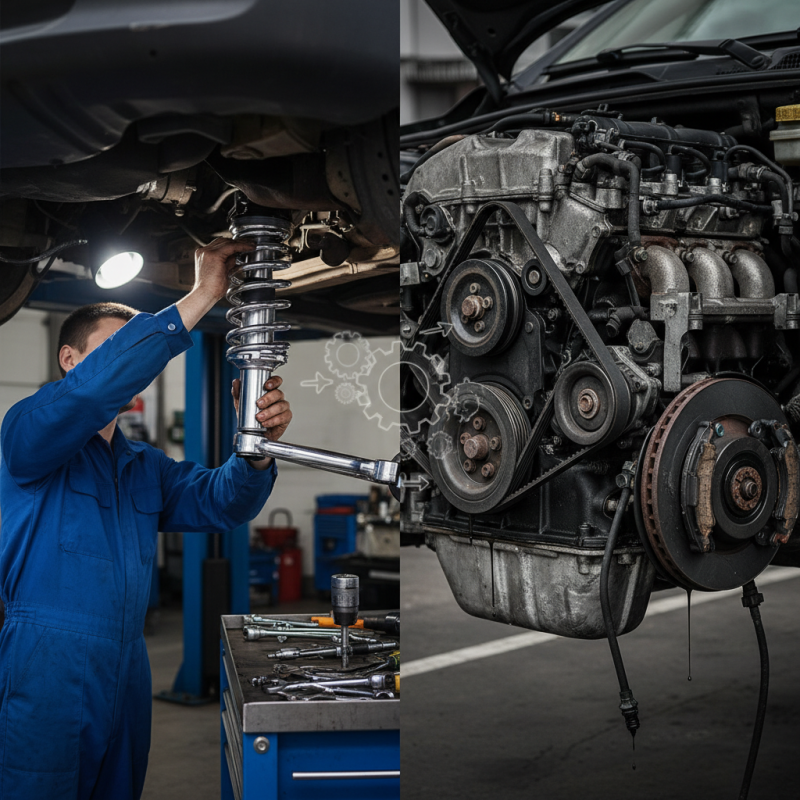
10 Common Causes of Early Auto Parts Failure Explained

Common Factors Leading to Early Wear of Auto Parts

Auto parts often fail early due to several common factors. Understanding these can help in preventive measures. Overheating is a critical issue. Engines generate heat, and if cooling systems aren’t effective, components wear out quickly. Leaks can exacerbate this problem. They might occur unnoticed, leading to failing gaskets or damaged seals.

Another factor is poor installation. Improper fitting can cause parts to misalign, leading to excessive friction. Wear increases dramatically under these conditions. In addition, environmental factors play a role. Dust, moisture, and road salt can contribute to corrosion. This accelerates deterioration, especially for metal components.

Finally, neglecting regular maintenance is a big mistake. Neglected fluids and filters can lead to a chain reaction of failures. Small problems, if ignored, manifest into larger issues. Regular checks and timely repairs are essential for longevity. Awareness of these issues is key to prolonging the life of auto parts.

10 Common Causes of Early Auto Parts Failure

This bar chart illustrates the ten common causes of early auto parts failure based on frequency. Understanding these causes can help improve maintenance practices and longevity of automotive components.

Impact of Poor Quality Materials on Auto Parts Longevity

The durability of auto parts heavily relies on the quality of materials used in their production. Poor quality materials can lead to premature failure, costing consumers significantly in repairs. A study by the Automotive Research Center indicates that low-grade steel can reduce a component's lifespan by up to 40%. This is alarming, considering that consumers expect their vehicles to last without frequent interventions.

When manufacturers cut costs, they often compromise on material integrity. For instance, using inferior plastics can result in brittleness and cracking under stress. The Society of Automotive Engineers reports that nearly 30% of auto parts failures stem from material deficiencies. Such failures not only impact safety but also lead to higher emissions and increased environmental hazards.

The race for lower prices often overshadows the importance of material quality. While consumers might save money upfront, they face higher long-term costs. Investing in well-made components pays off in reliability and peace of mind. The automotive industry needs to prioritize quality over cost-cutting to enhance longevity and safety for every driver.

Importance of Regular Maintenance in Preventing Parts Failure

Regular maintenance is crucial in preventing early auto parts failure. Research from the Automotive Industry Association indicates that 70% of vehicle failures could be avoided with proper care. Simple checks can save you time and money in the long run. Ignoring minor issues often leads to more significant problems, which can be costly to repair.

One common problem is worn brake pads. A simple inspection can reveal wear. Replacing them early can enhance safety. Moreover, monitoring fluid levels is essential. Low oil or coolant can cause engine damage. Regular checks ensure that your vehicle runs smoothly.

Tips: Keep a maintenance schedule. Check your tires regularly for wear and pressure. It helps improve fuel efficiency. Don’t overlook your battery health; a clean connection can extend its lifespan significantly. Taking proactive steps helps maintain vehicle reliability.

Effects of Extreme Operating Conditions on Vehicle Components

Extreme operating conditions significantly affect vehicle components and can lead to premature auto parts failure. High temperatures can degrade materials quicker than anticipated, leading to issues such as rubber seals cracking or fluids breaking down. For instance, studies show that components exposed to temperatures above 200°F can experience a 50% reduction in lifespan compared to those operating at moderate temperatures. Similarly, extreme cold can cause brittleness in plastics and metals, which may lead to failures during regular use.

Road conditions also play a crucial role. Frequent exposure to rough terrains increases the likelihood of wear and tear. A report from the National Highway Traffic Safety Administration indicates that nearly 30% of vehicle failures are linked to improper handling of road debris or potholes. Additionally, corrosive environments, such as those with salt or chemicals, can accelerate rust and degradation. This can compromise braking systems or engine components significantly. The constant stress from extreme environments can lead to unnoticed fractures, leading to serious safety issues if left unaddressed.

Role of Improper Installation in Accelerated Auto Parts Deterioration

Improper installation is one of the leading causes of early auto parts failure. Many car owners underestimate this factor. A simple mistake, like a misplaced screw or a loose bolt, can lead to significant issues. Even professional mechanics can make errors under tight schedules. This often results in parts not functioning as intended.

When parts are not installed correctly, stress levels on components increase. This can accelerate wear and tear. For example, an incorrectly aligned brake assembly may lead to uneven wear on brake pads. As a result, both safety and performance are compromised. Neglecting the manufacturer’s installation guidelines can amplify these risks. Details matter in the installation process.

It is crucial for auto technicians to prioritize accuracy. Taking time to double-check installations is essential. A hurried job can cause costly future repairs. Regular training can help technicians stay updated on best practices. Recognizing the impact of small oversights is vital. This awareness fosters a culture of quality and diligence in automotive service.

FAQS

: Why is regular maintenance important for vehicles?

: Regular maintenance can prevent up to 70% of vehicle failures with simple care.

What happens if minor issues are ignored?

Ignoring minor issues often results in larger, costly repairs down the line.

How can I tell if my brake pads need replacing?

A simple inspection can reveal wear on brake pads. Early replacement enhances safety.

What should I monitor to protect my engine?

Regular checks of oil and coolant levels can prevent engine damage.

What is a good practice for tire maintenance?

Regularly check tire wear and pressure to improve fuel efficiency and safety.

How do extreme temperatures affect vehicle components?

High temperatures can degrade materials, reducing lifespan by up to 50%.

Can road conditions lead to vehicle failures?

Yes, rough terrains and debris significantly increase wear and can cause failures.

What issue can arise in cold conditions?

Cold can make plastics and metals brittle, leading to potential failures during use.

How does corrosion impact vehicle parts?

Corrosive environments can accelerate rust, seriously compromising brakes and engine components.

What should I do to maintain battery health?

Regularly clean battery connections to extend its lifespan.

Conclusion

The article "10 Common Causes of Early Auto Parts Failure Explained" delves into the various factors that contribute to the premature failure of vehicle components. One of the primary inquiries it addresses is "what causes auto parts to fail early." Key reasons include the use of poor-quality materials, which significantly reduces the longevity of auto parts, ultimately leading to failure.

Furthermore, the article highlights the critical role of regular maintenance in extending the lifespan of these components, as neglect can exacerbate wear and tear. Extreme operating conditions, such as harsh weather or demanding driving environments, also play a significant role in accelerating deterioration. Lastly, improper installation can lead to early failure, underscoring the importance of professional handling when it comes to auto repairs. By understanding these factors, vehicle owners can better prevent early auto parts failure and ensure their vehicles run efficiently.

Sienna

Sienna

Sienna is a skilled marketing professional with a deep expertise in our company’s core products and services. With a passion for innovation and detail, she plays a pivotal role in crafting insightful blog posts that not only highlight the unique features of our offerings but also provide valuable......