Choosing professional auto parts installation in 2026 requires more than finding the lowest labor price. A replacement part must match the vehicle’s specifications, software, safety systems, and actual driving conditions. Why is professional installation better for auto parts? The answer involves accuracy, accountability, and practical experience. A qualified technician checks the vehicle identification number, confirms part compatibility, and follows the manufacturer’s repair procedures. They use calibrated tools, such as a torque wrench, instead of relying on guesswork. They also inspect nearby components that may have caused the original failure. Small errors can create expensive problems later. This matters.
In 2026, modern vehicles depend heavily on sensors, electronic controls, and advanced driver assistance systems. A simple bumper repair may require camera calibration after installation. Electric vehicles need technicians trained to handle high-voltage systems safely. An experienced shop should explain the work clearly before beginning. Ask about technician certifications, diagnostic equipment, parts quality, warranty coverage, and post-installation testing. Look for documented procedures. Transparent records build trust. I have learned that even skilled technicians can miss details when schedules become rushed. No checklist is flawless. Good professionals review their work, invite questions, and admit uncertainty when further diagnosis is needed. The right installation protects vehicle performance, passenger safety, and long-term ownership costs. This guide explores practical ways to compare installers, recognize reliable service, and make a confident decision without treating every repair as identical.
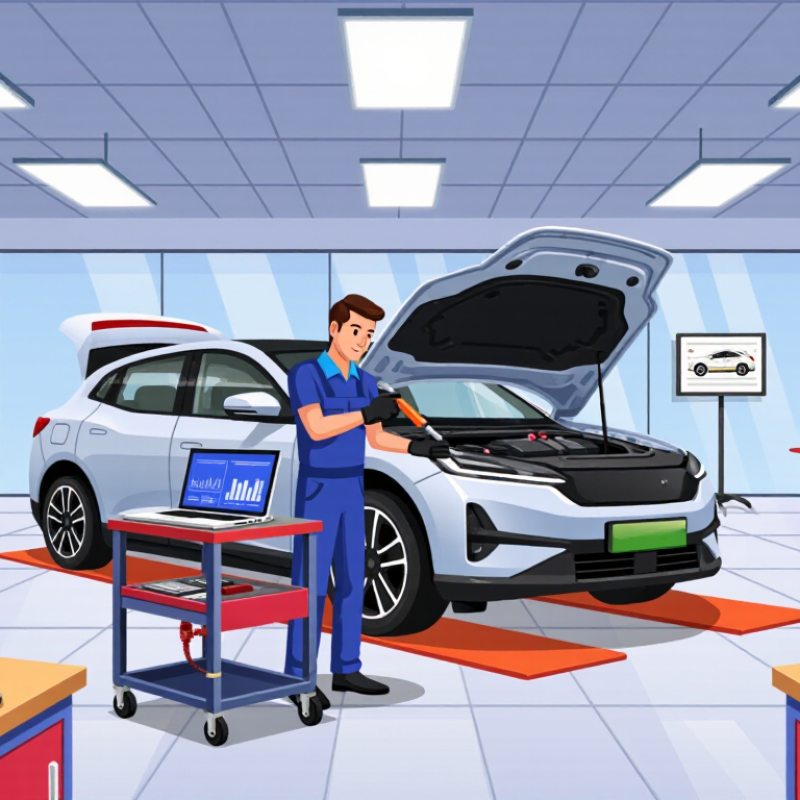
Before choosing an installer in 2026, define exactly what your vehicle needs. Record the vehicle’s year, model, engine type, mileage, and warning lights. Describe the problem clearly, including unusual noise, vibration, weak braking, or slow starting. A photo of the damaged area can help, but it cannot replace an inspection. Check whether the required part affects steering, braking, suspension, sensors, or high-voltage systems. These details determine the technician’s skills, tools, labor time, and safety procedures.
Ask for a written installation plan before approving the work. It should identify the part specification, compatibility checks, estimated labor, and any required software update or sensor calibration. Request the manufacturer’s installation instructions and correct torque values. A reliable technician should explain why the part is needed, not simply recommend the most expensive option. For advanced driver-assistance systems, calibration may require a level floor, measuring equipment, and a road test. Electric vehicles need additional electrical isolation procedures. Do not accept vague assurances.
I once approved a suspension repair after hearing only a brief diagnosis. The noise returned because a nearby mount was also worn. I should have requested a complete inspection and a written explanation. That mistake taught me to compare symptoms with test results. Keep photos, invoices, removed-part notes, and calibration records. Confirm the replacement part’s warranty and ask what happens if the original fault remains. Clear requirements make professional installation easier to judge, though even careful planning cannot eliminate every surprise.
Typical professional installation times vary by vehicle design, part accessibility, corrosion, and required calibration. Use these industry-standard planning estimates to identify the complexity of the work and confirm whether diagnostic testing, torque verification, fluid checks, or post-installation calibration is required.
A qualified installer should explain their training, certifications, and recent repair experience clearly. Ask whether they regularly handle your vehicle’s system, not just general maintenance. Request written estimates, warranty terms, and permission to inspect the work area. A professional should welcome reasonable questions. Vague answers deserve caution.
Tools reveal practical competence. Look for calibrated torque wrenches, vehicle-specific scan equipment, insulated tools, and safe lifting equipment. Ask when the torque wrench was last checked. After installation, the technician should test electrical connections, fasteners, warning lights, and fluid levels. They should also follow current repair data instead of relying on memory. Small details matter here.
Technical experience becomes visible during diagnosis. A careful installer checks the original failure before fitting a replacement part. They compare readings, inspect damaged connectors, and record fault codes. Ask for photos of hidden components and the final test results. I once trusted a quick installation because the workspace looked tidy. The warning light returned two days later. The technician had skipped a related ground connection. That mistake changed how I evaluate speed and confidence. Fast is not always precise.
A short road test may expose vibration, noise, poor braking response, or shifting problems. The installer should explain what was tested and what remains uncertain. Honest professionals admit limits and recommend another specialist when necessary. That honesty supports dependable decisions, even when the answer is inconvenient.
The cheapest installation is not always the lowest-cost choice. DIY work may save labor fees, but one missed torque value can create expensive rework. Mobile technicians offer convenience for batteries, sensors, and simple bolt-on parts. A workshop is safer for suspension, braking, steering, and electronic calibration. The method should match the repair risk.
Service quality needs visible evidence. Ask whether the technician follows manufacturer torque specifications and uses calibrated tools. Request a written estimate, parts identification, labor hours, and warranty terms. The U.S. Bureau of Labor Statistics reports that automotive service technicians had a median annual wage of $47,770 in May 2023. Skilled labor has a real cost. Very low quotes deserve questions.
Total cost includes more than installation. Add diagnostics, programming, shop supplies, alignment, taxes, and possible return visits. The Auto Care Association’s 2024 Factbook estimated the U.S. automotive aftermarket at about $392 billion in 2023, showing how large and varied repair services have become. Compare at least two itemized estimates. Check the vehicle after installation: warning lights, fluid leaks, uneven tire wear, and unusual vibration. I would still allow extra time and money for unexpected corrosion. Estimates are imperfect. That is why clear documentation matters.
How to Choose Professional Auto Parts Installation in 2026?
A professional installation starts with parts compatibility, not the lowest labor quote. Ask the technician to verify the vehicle identification number, model year, engine code, and connector type. A part may look correct but still require different software or mounting points. Check dimensions, electrical ratings, and manufacturer instructions before installation. Small differences matter.
Ask how the shop confirms compatibility. A reliable technician should explain the inspection process clearly. They should also record the part number and installation date. I once saw a replacement sensor fit physically but send incorrect readings after a short drive. The connector matched. The calibration did not. That mistake required extra labor and delayed repairs.
Warranty coverage deserves careful attention. Request written details about parts, labor, exclusions, and claim procedures. Some warranties become limited when installation records are missing. Confirm whether diagnostic scans, programming, or replacement seals are included. Do not assume coverage.
Safety standards must guide the work. Look for trained installers who follow torque specifications, lifting procedures, electrical precautions, and required calibration steps. Braking, steering, suspension, and airbag-related parts need especially careful testing. Ask whether the vehicle receives a final inspection and road test. Warning lights, unusual vibration, or uneven braking should never be dismissed. Keep the invoice, test results, and warranty documents together. One overlooked detail can become an expensive lesson.
| Evaluation Dimension | Reliable Benchmark | What to Verify Before Installation | Potential Risk if Missing | Recommended Decision |
|---|---|---|---|---|
| Vehicle Identification | The installer confirms the vehicle identification number (VIN), model year, engine, transmission, body style, and relevant production date. | Compare the VIN and vehicle specification with the parts catalog, service information, and the vehicle registration or service records. | A visually similar part may have different dimensions, connectors, software requirements, load ratings, or mounting points. | Required before approval |
| Parts Compatibility | The part number, revision level, application range, and required accessories match the specific vehicle configuration. | Request the part number, fitment confirmation, installation instructions, and a list of additional hardware, seals, sensors, or programming requirements. | Incorrect fitment can cause premature wear, warning lights, fluid leaks, poor performance, or an unsafe failure. | Required before approval |
| Replacement-Part Quality | The component has traceable manufacturing information, defined specifications, and documentation appropriate to its function. | Check the packaging label, batch or serial information where applicable, material specifications, test documentation, and installation limitations. | Untraceable or poorly specified parts make defect investigation, recall response, and warranty claims more difficult. | Prefer documented parts |
| Safety-Critical Components | Brakes, steering, suspension, tires, restraints, lighting, and driver-assistance components receive additional inspection and correct torque procedures. | Confirm the applicable service procedure, torque values, one-time-use fasteners, bleeding or calibration steps, and post-installation inspection. | Installation errors may affect vehicle control, braking distance, occupant protection, or system alerts. | Use qualified technicians |
| Applicable Standards | The work follows the vehicle manufacturer’s service information and applicable local requirements; recognized standards may apply to specific components. | Ask which service procedures and regulations are being followed. For lighting, glazing, tires, restraints, or electronic systems, request the relevant compliance documentation when applicable. | A part or procedure may be unsuitable for the vehicle’s market, road regulations, or intended use. | Confirm local requirements |
| Technician Competence | The technician has documented training or experience relevant to the repair, including high-voltage, electronic, calibration, or restraint-system work when required. | Review qualifications, training records, diagnostic capability, and experience with the vehicle system being repaired. | Incorrect diagnostics, wiring, isolation, or calibration can create hidden faults and safety hazards. | Match skills to the job |
| Diagnostic and Calibration Tools | The installer uses suitable diagnostic equipment and performs required relearning, coding, calibration, or functional tests after installation. | Request the diagnostic scan results, calibration confirmation, software procedure, and final fault-code check where relevant. | The vehicle may operate with unresolved faults, inaccurate sensors, disabled functions, or incorrect warning-system behavior. | Verify completion |
| Warranty Coverage | The written warranty states the coverage period, covered parts and labor, exclusions, claim process, and responsibilities of each party. | Obtain the warranty document before work begins and confirm whether labor, consequential damage, diagnostic fees, and replacement shipping are included or excluded. | A parts-only warranty may leave the vehicle owner responsible for labor or repeat-installation costs. | Get terms in writing |
| Installation Records | The invoice identifies the vehicle, date, mileage, part description, part number, labor performed, and any diagnostic or calibration work. | Check that the final invoice and service report match the parts actually installed and include relevant measurements or test results. | Incomplete records can complicate future maintenance, resale disclosure, warranty claims, and troubleshooting. | Retain all records |
| Post-Installation Testing | The vehicle receives a visual inspection, functional check, road test when appropriate, and a final warning-light or fault-code review. | Ask for the inspection checklist and confirmation that leaks, fasteners, clearances, system operation, and warning indicators were checked. | A problem that could have been detected immediately may remain unresolved and become more expensive or dangerous. | Do not skip testing |
| Cost Transparency | The estimate separates parts, labor, diagnostic time, programming, shop supplies, taxes, and possible additional work. | Compare the written estimate with the final invoice and require approval before work outside the agreed scope is performed. | Unexpected charges or postponed safety work may result from an incomplete initial estimate. | Approve changes in writing |
| Return and Core Handling | The provider explains return eligibility, restocking conditions, and whether a refundable core charge applies to the removed component. | Confirm packaging requirements, return deadlines, inspection conditions, and the procedure for returning defective or incorrect parts. | The vehicle owner may lose a refund or be unable to return a wrongly supplied component. | Confirm before ordering |
| Environmental and Disposal Practices | Used oil, coolant, refrigerant, batteries, tires, and other regulated materials are handled according to applicable local disposal requirements. | Ask how removed fluids, batteries, tires, and damaged components will be stored, recycled, or disposed of. | Improper handling can create environmental harm, regulatory problems, and additional disposal charges. | Confirm local compliance |
Note: Legal requirements, warranty rules, inspection procedures, and applicable safety standards vary by country, region, vehicle type, and component. Always confirm the requirements that apply to the vehicle’s market and intended use.
Choosing professional auto parts installation in 2026 requires more than a polished invoice. The final result should be visible, measurable, and explained clearly. Ask the installer to show mounting points, wiring routes, fluid levels, and fastener marks. Correct torque matters. So does alignment. A short road test can reveal vibration, pulling, warning lights, or unusual noise. Request written test results, not vague reassurance. Good technicians explain what changed and why.
Ongoing maintenance support separates careful work from a one-time transaction. Confirm inspection intervals, adjustment limits, future replacement needs, and contact procedures before approving installation. The service record should include part specifications, torque values, calibration data, and photographs when practical. Keep it accessible. A trustworthy workshop also checks related systems, including brakes, suspension, sensors, and cooling lines. It should not invent problems. It should identify risks without pressure.
There is room for honest imperfection. A new component may settle, require retightening, or reveal an older fault. That possibility should be discussed openly. During one post-installation review, a small steering pull was blamed on road slope. A second check found uneven tire pressure. The mistake was simple, but the lesson was not. Ask how complaints are logged, who reviews them, and how corrective work is documented. Reliable support remains available after payment, especially when the vehicle behaves differently days later.
Record the vehicle’s year, model, engine type, mileage, and warning lights. Describe noises, vibration, weak braking, or slow starting. Photos can help. They cannot replace inspection. Mention whether the part affects steering, braking, suspension, sensors, or electrical systems.
It should identify the part specification and compatibility checks. It should state estimated labor and required software updates. Ask for correct torque values and installation instructions. For sensor systems, confirm calibration and road-testing requirements. Vague promises are not enough.
Ask about training, certifications, and recent experience with your vehicle’s system. Request a written estimate and warranty terms. A capable technician welcomes reasonable questions. Honest limits matter. Someone who admits uncertainty may be safer than someone overly confident.
Look for calibrated torque wrenches and vehicle-specific scan equipment. Insulated tools may be necessary for high-voltage systems. Safe lifting equipment is essential for suspension or braking work. Ask when the torque wrench was last checked. Small details reveal real competence.
Not always. A missed torque value can create expensive rework. Mobile service may suit batteries, sensors, or simple bolt-on parts. A workshop is generally better for steering, suspension, braking, or calibration. Choose the method according to repair risk, not price alone.
Check parts, labor hours, diagnostics, programming, supplies, alignment, taxes, and possible return visits. Compare at least two itemized estimates. Very low quotes deserve careful questions. Unexpected corrosion may increase the final cost. My own estimates have been too optimistic before.
Ask for photos of hidden components and final test results. Confirm electrical connections, fasteners, warning lights, and fluid levels. Take a short road test when appropriate. Watch for vibration, noise, poor braking, leaks, or uneven tire wear. The warning light should not be ignored.
Keep invoices, photos, removed-part notes, fault codes, and calibration records. Record the part warranty and its coverage period. Ask what happens if the original fault remains. Clear records support follow-up discussions. They also expose gaps in the repair process.
Choosing professional auto parts installation in 2026 starts with clearly defining your vehicle’s needs, including the part type, vehicle specifications, intended use, and any special performance or safety requirements. Before selecting a service provider, verify the installer’s qualifications, technical experience, diagnostic abilities, and access to suitable tools. Comparing installation methods is also important, since careful procedures, transparent labor charges, and complete cost estimates can help you avoid unexpected expenses. A reliable installer should explain the process clearly and prioritize accurate workmanship.
Why is professional installation better for auto parts? Trained technicians can confirm parts compatibility, follow appropriate safety standards, and reduce the risk of incorrect fitting or damage to connected systems. Customers should also review warranty coverage, service terms, and maintenance support before authorizing the work. After installation, inspect the final result, test relevant functions, and request guidance on inspections or future maintenance. This approach supports dependable performance, safer driving, and better long-term value.

OLO Auto Parts