When you think about buying auto parts, numerous questions arise. One crucial question is, "What should I check before buying auto parts?" Making the right choice can impact your vehicle's performance and safety. Understanding the specifics of what you need can save you both time and money.
Checking compatibility is essential. Not all parts fit every model. Knowing your vehicle’s make, model, and year can help. Researching parts online provides insights into the best options available. Sometimes, exact matches may be tough to find. In such cases, reviewing manufacturer recommendations can be beneficial.
Quality matters significantly in auto parts. Low-cost parts might save money initially but could lead to higher repair expenses later. Balancing cost with quality is vital. Reading customer reviews and ratings can give you a sense of reliability. Always prioritize parts that come with warranties. This shows the manufacturer’s confidence in their product. Reflecting on these aspects can guide better purchasing decisions.
Understanding Your Vehicle's Specifications and Requirements
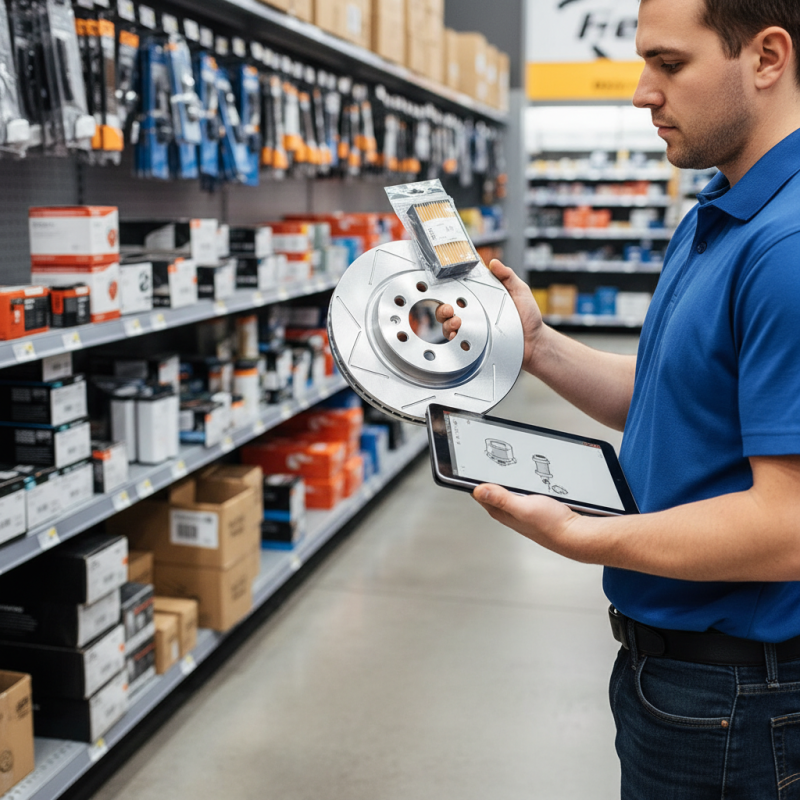
When buying auto parts, understanding your vehicle's specifications is crucial. Each vehicle has unique requirements that affect compatibility. Check your owner's manual for precise details about your vehicle's make and model. This ensures you purchase parts that are designed to fit properly. Many people overlook this simple step, which can lead to wasted time and money.
Consulting online resources or forums can provide insights from experts and other vehicle owners. They often share experiences and highlight common pitfalls. Don't rush this process. Take the time to cross-check specifications before making a purchase. Sometimes, parts may seem similar but can differ significantly in size or compatibility.
It's also essential to consider the part's quality. While some options may be cheaper, they might not meet safety standards. Skimping on quality can lead to further complications in the long run. Reflect on past purchases where you may have prioritized price over quality. These lessons can guide you toward better decisions when selecting auto parts in the future.
Researching the Quality and Compatibility of Auto Parts
When researching auto parts, quality and compatibility are paramount. High-quality parts ensure longevity and performance, while compatible parts fit seamlessly into your vehicle. Before purchasing, check the specifications of your car. This includes year, make, and model. Each detail matters when selecting parts.
It's wise to consult multiple sources before deciding. Online reviews provide insights into others' experiences. Look for forums and community advice as well. Often, real users share practical tips that can make a difference. It's crucial to read about both the advantages and potential drawbacks.
Not all auto parts are equal. Sometimes, cheaper options may lead to higher long-term costs due to misfit or failure. Reflecting on your needs is essential here. Consider how often you drive and the conditions you face. For instance, if you live in a rugged area, investing in more durable parts might be worth it. Always prioritize reliability over price. Being informed helps avoid regrets later.
Evaluating Vendor Reputation and Customer Reviews
When buying auto parts, the vendor's reputation plays a crucial role. Begin by exploring online reviews. Customer feedback reveals valuable insights about product quality and service. Look for patterns in the reviews. Are there frequent complaints about shipping issues? Or is there a common praise for helpful customer service? This information can guide your choice.
Check whether the vendor has a transparent return policy. A trustworthy seller should offer easy returns for defective parts. This level of customer care builds confidence. Additionally, evaluate their responsiveness to queries. Quick and informative responses indicate a professional approach.
A vendor who engages with their customers takes their reputation seriously.
Lastly, consider the vendor’s experience in the industry. Longevity often suggests reliability. Newer vendors might offer competitive prices but can lack the necessary expertise. Weigh the risks of less established vendors against the potential savings. Remember, the best decision is one that balances cost with quality and service integrity.
Comparing Prices and Warranty Options for Auto Parts
When considering auto parts, price comparison is vital. The average markup on auto parts can reach 30-50%. This number varies widely, depending on the part and retailer. Such discrepancies make it crucial to shop around. An independent study revealed that consumers can save up to 20% just by checking multiple sources.
Warranty options also demand attention. A 2022 report found that nearly 40% of consumers do not review warranties before purchasing. Many auto parts come with limited warranties that may not cover all defects. Understanding coverage terms can save you headaches later. It’s important to ask questions about what a warranty entails.
Evaluating both price and warranty is key for informed choices. Collect detailed information before committing to a purchase. Researching your options can help avoid costly errors. Every decision matters, especially when dealing with essential vehicle components. Gathering this knowledge fosters confidence and helps ensure long-term satisfaction.
Ensuring Proper Installation and Maintenance Considerations
When considering auto parts for your vehicle, installation and maintenance play crucial roles. Data from the Automotive Aftermarket Industry Association indicates that improper installation can lead to a staggering 25% of component failures. This highlights the need for skilled installation practices. Whether replacing brakes or filters, understanding the nuances of each component is vital. A poorly installed part can compromise vehicle safety. This is not just about having the right tools; it's about having the right techniques.
Maintenance considerations are equally important. According to a recent study, 60% of vehicle owners neglect regular maintenance on newly installed parts. This oversight can lead to increased wear and early failures. Familiarize yourself with maintenance schedules specific to your vehicle model. Fortunately, many online resources provide guidelines to help owners stay on track. However, diving into the specifics of each part can feel overwhelming. A proactive approach, including periodic check-ups, is essential to reduce long-term costs and enhance safety. Always remember, the choice of parts should align with your vehicle’s unique needs.
What to Check Before Buying Auto Parts for Your Vehicle?
FAQS
: Each vehicle has unique requirements. Knowing these helps you buy compatible parts.
Check your owner's manual for detailed specifications. This step is often overlooked.
Cheaper options may not meet safety standards. Think back on past choices prioritizing price over quality.
Look for online reviews. Patterns in feedback reveal insights about product quality and service.
Ensure they offer easy returns for defective parts. A transparent policy builds confidence.
Improper installation can lead to component failures. Skilled techniques are vital for safety.
Regular maintenance is essential. Many vehicle owners neglect this, leading to early failures.
Many online resources provide guidelines tailored to your vehicle model.
Regular check-ups and proactive care can enhance vehicle safety and efficiency.
They may lack the necessary expertise. Weigh potential savings against reliability concerns.
Conclusion
When considering auto parts for your vehicle, it's essential to ask yourself, "What should I check before buying auto parts?" Start by understanding your vehicle's specifications and requirements, which ensures compatibility with the parts you intend to purchase. Researching the quality of these parts is equally important; look for reputable vendors and read customer reviews to make informed decisions.
Additionally, comparing prices can help you find the best deals, while also considering warranty options to protect your investment. Finally, ensure that you have a plan for proper installation and maintenance of the new parts, as this will prolong their lifespan and enhance the overall performance of your vehicle. By taking these steps, you can make confident choices when purchasing auto parts.

 OLO Auto Parts