When it comes to vehicle maintenance, many drivers overlook the significance of regularly replacing auto parts. Why is regular replacement important for auto parts? This question is crucial for ensuring your vehicle's safety and performance. With worn-out components, drivers face potential risks on the road. Old brakes, for example, can lead to dangerous situations.
Regular replacements enhance reliability and longevity. Fresh parts ensure that your vehicle runs smoothly and efficiently. It's easy to procrastinate or forget about this essential task. Many drivers wait until an issue arises, often leading to costly repairs. Understanding the consequences of neglect can drive change. It’s not just about saving money but ensuring safety for you and others.
Investing in regular replacements is wise. Solid expertise and experience support this approach. Trusted mechanics emphasize checking worn parts frequently. Empowering yourself with knowledge will help you make better choices. Prioritize your vehicle's needs to maintain optimal performance. Regular part replacement is an investment in your vehicle’s health and your peace of mind.
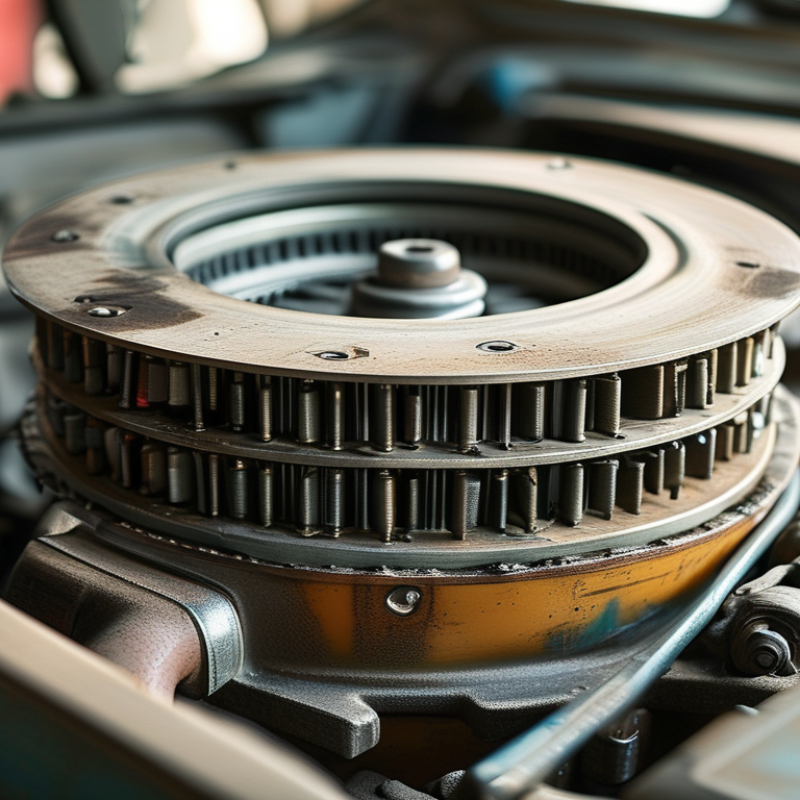
Regular replacement of auto parts is crucial for maintaining vehicle health and durability. Old or damaged components may affect performance significantly. For instance, worn brake pads can increase stopping distances, posing a safety risk. The timing belt, if neglected, can lead to catastrophic engine failures. Such issues often arise gradually, yet their impact is profound.
Investing time and resources into regular maintenance pays off. If you replace oil filters and air filters as needed, you can optimize engine performance. However, many car owners overlook these replacements. This neglect can lead to lower fuel efficiency and increased emissions. Regular checks can reveal underlying problems, saving money in the long run. Often, drivers face higher repair costs due to neglecting simple maintenance tasks.
Understanding your vehicle's needs is key. Consult the owner's manual for replacement schedules. Familiarize yourself with common wear items like tires and batteries. Regular inspections can uncover hidden issues, enhancing overall safety. Many drivers underestimate the importance of these checks. Reflecting on this routine can lead to significant improvements in vehicle longevity and reliability.
The condition of auto parts directly affects vehicle performance and safety. Worn-out parts can lead to decreased fuel efficiency and increased stopping distance. According to a recent industry report, nearly 30% of vehicle accidents are linked to mechanical failures. Regular replacement of critical components, such as brakes and tires, can significantly reduce these risks.
Neglecting to replace worn parts can also lead to costly repairs down the line. For instance, a faulty brake system can cause more than just longer stopping distances; it can result in total brake failure. Inspections should be part of any car maintenance routine. Drivers should stay alert for warning signs, such as unusual noises or vibrations.
Routine checks can spot issues before they escalate. Inspecting tire tread depth can ensure proper traction and stability. Replacing old wiper blades can enhance visibility during storms. Keeping a maintenance log will help track when specific parts were last replaced. Recognizing the signs of wear can save time and money while ensuring safety on the road.
Regular replacement of auto parts is essential for vehicle longevity and safety. Every component, from brakes to filters, plays a critical role. Over time, even small parts can wear out and cause significant issues. This wear can lead to unexpected breakdowns, which often result in costly repairs. Addressing issues early through scheduled maintenance can save money and time in the long run.
A cost-benefit analysis shows how proactive auto part maintenance pays off. By replacing worn parts before they fail, drivers avoid expensive emergencies. Routine checks can identify minor issues, preventing them from escalating into major problems. Additionally, maintaining optimum performance helps improve fuel efficiency. This translates into lower fuel costs.
Failing to address worn-out parts can reflect poorly on overall vehicle reliability. Each neglected component can create a domino effect, leading to multiple failures. It’s tempting to defer maintenance when costs add up. However, investing in quality replacements ensures safety and extends vehicle life. Ignoring regular replacements is a gamble that can have lasting repercussions.
Regular maintenance is crucial for vehicle performance. Certain signs indicate it’s time for auto part replacement. One key indicator is unusual noises from the engine. If you hear clanking or grinding, it may signal worn-out components. Ignoring these sounds can lead to severe damage or costly repairs.
Another common sign is a decrease in performance. Sluggish acceleration or poor handling can suggest issues with the brakes or suspension. Vibration in the steering wheel may point to tire imbalance or misalignment. Always pay attention to your vehicle’s behavior; it often communicates its needs.
Visual inspections are also important. Look for leaks under the car or rust on metal parts. Fluid levels should be checked regularly. Low or dirty fluids can affect performance and safety. If you notice these signs, it’s wise to consult a professional. Regular part replacement ensures your vehicle runs smoothly and safely. Taking these steps can prevent sudden breakdowns and prolong your car's lifespan.
Regularly scheduling auto part replacements is critical for vehicle maintenance. A study by the Vehicle Maintenance Institute indicates that neglecting replacement of vital components can lead to a 30% increase in breakdowns. For instance, failing to change oil filters can lead to engine wear and reduced performance. Regular oil changes, typically every 3,000 to 5,000 miles, keep engines running smoothly. This simple practice can extend vehicle life significantly.
Additionally, monitoring tire health is essential. The National Highway Traffic Safety Administration states that approximately 600 fatalities occur annually due to tire-related accidents. Checking tire pressure and tread depth regularly can prevent such dangers. Many experts suggest rotating tires every 5,000 to 7,500 miles for better wear distribution. This habit can promote even traction and help maintain fuel efficiency.
Taking care of your vehicle involves more than just occasional servicing. Regular inspections can reveal issues before they become costly repairs. Reviewing vehicle manuals helps determine replacement schedules specific to each model. Consistently tracking these schedules can improve safety and enhance driving experience. Implementing these practices can make a substantial difference in long-term vehicle reliability and performance.
: Regular maintenance ensures vehicle longevity and safety. Each part, from brakes to filters, significantly impacts performance.
Proactive maintenance prevents unexpected breakdowns. It can save money on major repairs and improve fuel efficiency.
It's recommended to change oil every 3,000 to 5,000 miles for optimal engine performance and lifespan.
Neglecting replacements can lead to increased breakdowns. Small issues may escalate into costly problems.
Poor tire health can cause accidents. Regular checks of tire pressure and tread depth are crucial for safe driving.
Experts recommend rotating tires every 5,000 to 7,500 miles. This helps promote even wear and maintain efficiency.
Tracking schedules helps identify necessary replacements specific to each vehicle model, improving safety and reliability.
Yes, deferring maintenance can lead to larger, more expensive repairs. It’s a gamble that often backfires.
If costs are tight, prioritize essential replacements. Focus on parts critical for safety and performance.
Regular inspections can reveal problems early, preventing costly repairs. They enhance overall vehicle reliability and performance.
Regular replacement of auto parts is crucial for maintaining vehicle longevity and optimal performance. Worn-out components can significantly impede a vehicle's efficiency and compromise safety, leading to potentially dangerous driving conditions. Therefore, understanding "why is regular replacement important for auto parts" becomes essential for all vehicle owners. By replacing parts proactively, drivers can avoid costly repairs in the long run, as neglecting maintenance can exacerbate existing issues.
Identifying common signs that indicate the need for auto part replacement, such as unusual noises or diminished performance, can help in timely interventions. Establishing best practices for regularly scheduling replacements not only enhances vehicle safety but also improves overall driving experience. Ultimately, investing in auto part maintenance is a wise decision that pays off through better performance and longevity of the vehicle.

OLO Auto Parts