The automotive industry is rapidly evolving, and understanding "what materials are best for auto parts" is crucial. New technologies and consumer demands necessitate a shift in material choices. According to a report by the International Organization of Motor Vehicle Manufacturers (OICA), automotive production reached 77 million units in 2022. This growing demand places pressure on manufacturers to choose materials wisely.
Lightweight materials like aluminum and advanced polymers are increasingly favored. They enhance fuel efficiency and reduce overall vehicle weight. A study by the Automotive Materials Partnership highlights that using aluminum can save up to 50% in weight compared to traditional steel components. However, the selection process is not without challenges. Some materials may offer superior performance but come with higher costs or complex manufacturing requirements.
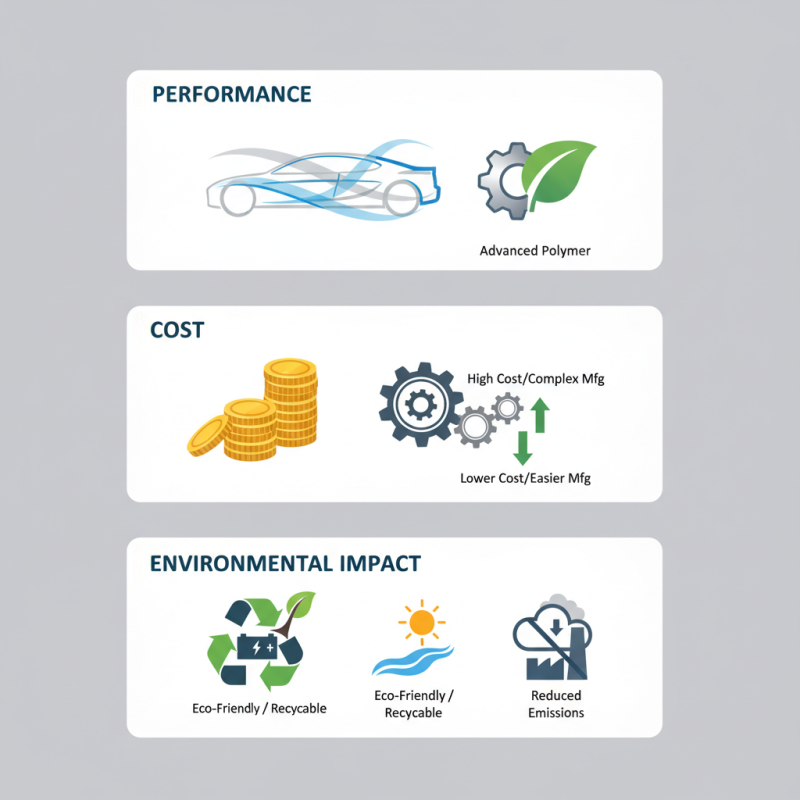
Another consideration is sustainability. Many manufacturers are exploring recyclable materials to meet consumer expectations for eco-friendly vehicles. The World Economic Forum emphasizes the need for sustainable practices in automotive production. Thus, while numerous options exist, the question of "what materials are best for auto parts" requires a careful balance of performance, cost, and environmental impact.
Overview of Common Materials Used in Auto Parts Manufacturing
When it comes to auto parts manufacturing, selecting the right materials is crucial.
Steel is one of the most common choices due to its strength and durability. It is often used for structural components like frames. However, it can be heavy, affecting fuel efficiency. Using lightweight materials can mitigate this issue.
Aluminum has gained popularity for its lighter weight. Many manufacturers prefer aluminum for parts such as wheels and engine blocks. Despite its advantages, aluminum can be more expensive and less strong than steel. This trade-off is an important consideration in design processes.
Plastics and composites are also essential in modern auto manufacturing. They are used in various interior components and body panels. These materials can provide significant weight savings. Yet, their long-term durability is sometimes questioned. Ensuring they meet safety and performance standards is a constant challenge for engineers in the industry. Each material comes with a unique set of advantages and drawbacks, requiring thoughtful evaluation in production choices.
Key Properties of Metals in Auto Parts Production
When it comes to auto parts manufacturing, the choice of metals is crucial. Each type of metal brings unique properties that can significantly affect performance. Steel is commonly used due to its strength and durability. It can withstand high stress, making it ideal for parts like frames and axles. However, steel is heavy, which can impact fuel efficiency.
Aluminum is another popular choice. It is lightweight yet strong, often found in engine components and body panels. Its corrosion resistance extends the lifespan of parts. Yet, aluminum may not bear extreme stresses as well as steel. Manufacturers need to carefully balance strength and weight when choosing materials.
Additionally, advanced alloys are gaining traction. These materials can combine the best properties of different metals. For instance, magnesium alloys are lightweight and strong, but they can be costly. The complexity of material selection highlights the ongoing challenges in the industry. Innovations may lead to better solutions, but they require careful consideration of cost and performance.
Key Properties of Metals Used in Auto Parts Manufacturing
Benefits of Plastics and Composites in Automotive Applications
In the automotive industry, plastics and composites play a crucial role in parts manufacturing. These materials offer various advantages, including weight reduction and enhanced performance. According to a recent study by the American Chemistry Council, the use of lightweight materials can reduce vehicle weight by up to 30%. This reduction leads to improved fuel efficiency and lower carbon emissions.
Plastics and composites are highly versatile. They can be molded into complex shapes, allowing for innovative designs. This flexibility helps manufacturers meet stringent safety and performance standards. For instance, composite materials are often used in structural components, providing strength while minimizing weight. However, the durability of some plastics can be a concern; not all plastics are created equal, and some may degrade under harsh conditions.
Tip: Choose the right type of plastic depending on the application. Consider factors like temperature resistance and mechanical properties.
Another benefit is cost-effectiveness. Plastics are generally less expensive than metals and can be produced in larger volumes, significantly lowering manufacturing costs. However, the environmental impact of plastic waste cannot be ignored. Recycling and proper disposal methods are crucial to minimizing this issue.
Tip: Explore sustainable alternatives, such as bio-based composites, which can reduce environmental footprints.
Understanding the balance between performance and sustainability is essential. While plastics and composites enhance automotive applications, their long-term effects need careful evaluation. As the industry evolves, so must our approach to material selection.
The Role of Ceramics and Glass in Advanced Auto Components
Ceramics and glass are redefining the landscape of auto parts manufacturing. Advanced ceramic materials, due to their thermal resistance and hardness, are becoming critical in engine components. For example, silicon carbide ceramics endure temperatures exceeding 1200°C, significantly improving engine efficiency. According to a market report, the global market for ceramic automotive components is projected to reach $4.3 billion by 2025.
Glass, particularly in the form of composites, is also gaining traction. Researchers are exploring glass-reinforced plastics that enhance the structural integrity of various auto parts. These materials can be lighter than metals, potentially reducing vehicle weight by up to 30%. Despite their benefits, the challenge remains in the cost-effectiveness and recyclability of these materials, which many manufacturers still need to address.
The integration of ceramics and glass in automotive applications presents both opportunities and challenges. While these materials offer superior properties, the manufacturing processes are complex. There is a need for further innovation to streamline these processes. Addressing these issues will be vital for wider adoption in the industry and ensuring that manufacturers can meet the increasing demands for sustainability and performance.
Environmental Considerations in Choosing Materials for Vehicles
Choosing the right materials for auto parts involves balancing performance, cost, and environmental impact. As the automotive industry evolves, sustainability has become a crucial consideration. According to a report by the International Council on Clean Transportation, the production of lightweight materials can decrease vehicle emissions significantly. For instance, switching to aluminum or advanced composites can reduce the overall weight of vehicles, leading to better fuel efficiency.
However, the production of these materials is not without its environmental costs. Aluminum production, for instance, involves high energy consumption and significant greenhouse gas emissions. This paradox highlights the need for manufacturers to weigh the benefits of lightweight design against the environmental impacts of material sourcing. The automotive industry must explore alternatives, such as recycled materials, which can minimize these effects. A study from McKinsey & Company indicates that using recycled aluminum can reduce carbon emissions by up to 95%.
Ultimately, there is no one-size-fits-all solution. Different vehicle types may require different materials. The challenge lies in identifying the best mix that meets performance criteria while mitigating environmental harm. It calls for ongoing research and responsible sourcing practices to create a more sustainable automotive future.
FAQS
: Plastics and composites reduce vehicle weight, enhance performance, and improve fuel efficiency. They can decrease carbon emissions significantly.
They can be molded into complex shapes, allowing innovative designs that meet safety and performance standards in manufacturing.
Not all plastics are durable. Some degrade under harsh conditions. Choosing the right type based on application is essential.
Plastic waste presents environmental challenges. Proper recycling and disposal methods are crucial for minimizing these impacts.
Advanced ceramics offer high thermal resistance and hardness, crucial for engine efficiency. Glass, when reinforced, enhances structural integrity.
While beneficial, these materials can be costly and complex to manufacture. Streamlining processes is necessary for broader adoption.
Balancing performance with environmental impact is critical. Lightweight materials can reduce emissions, but production often has high environmental costs.
Lightweight materials may improve efficiency but can have significant environmental impacts during their production, raising sustainability concerns.
Utilizing recycled materials, like aluminum, can significantly reduce carbon emissions—up to 95% in some cases.
Different vehicle types have varied performance requirements, complicating material choices and necessitating ongoing research for optimal solutions.
Conclusion
In the realm of auto parts manufacturing, the question of "What materials are best for auto parts" is essential for ensuring durability, safety, and efficiency. Common materials include various metals known for their strength and reliability, which are critical in structural components. Additionally, plastics and composites are gaining traction due to their lightweight properties, contributing to improved fuel efficiency and design flexibility in vehicles.
Ceramics and glass play an increasingly important role in advanced automotive applications, offering high resistance to heat and wear. When selecting materials, environmental considerations have become paramount, with a growing emphasis on sustainability and the impact of material production on the planet. Understanding these diverse materials and their properties enables manufacturers to make informed choices that enhance vehicle performance while being mindful of ecological consequences.

 OLO Auto Parts