When examining vehicle longevity, many owners wonder, "Why do auto parts wear out faster?" This question surfaces in repair shops, online forums, and discussions among automotive enthusiasts. A variety of factors contribute to this issue, including driving habits and environmental conditions.
Heat, for instance, can drastically shorten a part's lifespan. In hot climates, engine components can degrade more quickly. Daily commutes through rough terrains may also accelerate wear. These scenarios prompt deeper reflections on vehicle maintenance. Car owners must consider their driving patterns. Ignoring indicators of wear leads to costly repairs down the line.
Understanding why auto parts wear out faster is crucial. It encourages proactive maintenance and better driving practices. Knowledge empowers drivers to take control of their vehicle's health. By being mindful of these aspects, drivers can extend the life of essential components, ensuring reliability and safety on the road.
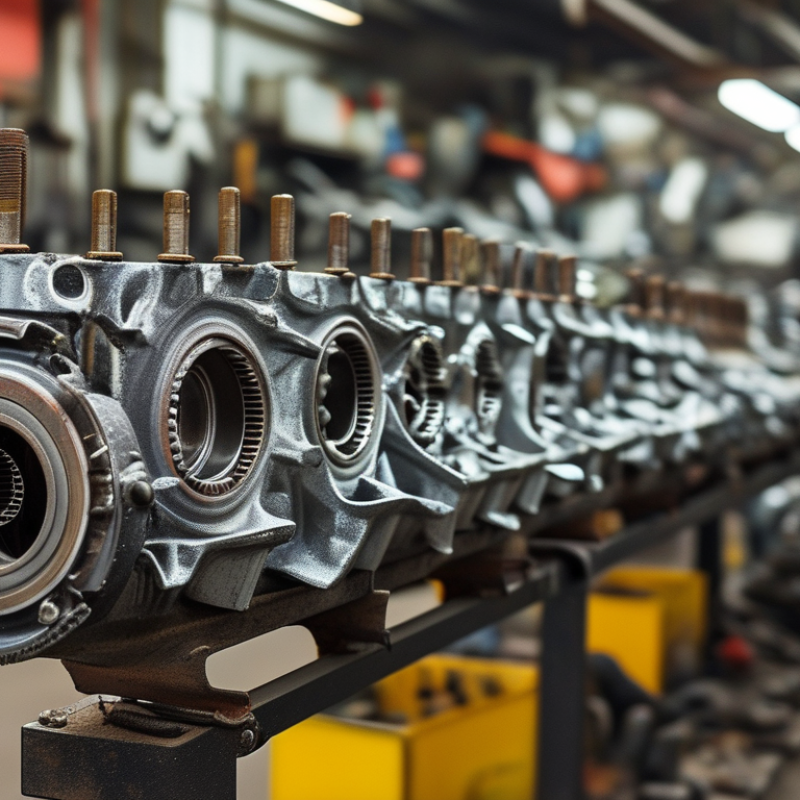
Factors Contributing to Accelerated Wear of Auto Parts
Auto parts can wear out more quickly than drivers expect. Several factors contribute to this accelerated wear. One major element is driving habits. Aggressive driving, such as rapid acceleration or hard braking, puts extra strain on components. These actions lead to increased friction and faster degradation.
Environmental conditions also play a significant role. Extreme temperatures, both hot and cold, affect material performance. Road conditions, including potholes and debris, can cause physical damage to parts.
Regular inspections for wear and tear are essential for maintaining an optimal vehicle.
Tip: Consider driving more smoothly. Gentle acceleration and braking can extend the life of your brakes and tires.
Another factor is the quality of the parts themselves. Lower-quality components may not withstand regular use. In contrast, premium parts can offer better durability. It’s crucial to balance cost and quality when replacing auto parts.
Tip: Always research parts before purchasing. Look for reviews and consider trusted recommendations to avoid subpar products.
Finally, regular maintenance is key. Neglecting scheduled services can lead to more significant issues. Ignoring fluid changes or not replacing filters contributes to component overload and premature wear.
Tip: Maintain a service schedule. Keeping up with maintenance helps catch problems early and prolongs the lifespan of your auto parts.
Impact of Driving Conditions on Auto Parts Longevity
Driving conditions significantly influence the longevity of auto parts. Harsh environments lead to increased wear and tear. Rain, snow, and road debris can impact the braking system, tires, and suspension components. For instance, driving on gravel can cause rocks to chip and damage paint, exposing metal beneath. This leads to rust and further deterioration.
Frequent stop-and-go traffic puts extra strain on engines and transmissions. They struggle more under such conditions, leading to premature failure. City driving often creates more wear compared to highway travel. It’s essential to monitor fluid levels and maintain intervals closely. Engine oils can break down faster in hot, stop-and-go situations. This neglect can result in costly repairs down the line.
Another vital factor is the driver’s habits. Aggressive driving can shorten the lifespan of brakes and tires. Smooth acceleration and braking help maintain parts more effectively. Regular checks and timely replacements are crucial. Yet, many car owners overlook these aspects. They tend to ignore warning signs, thinking nothing is wrong until it's too late. Awareness of these factors can help prolong the life of auto parts.
Quality of Materials Used in Auto Parts Manufacturing
The quality of materials used in auto parts manufacturing plays a crucial role in their lifespan. Many manufacturers cut costs by using inferior materials. This often leads to faster wear and tear. Common materials like low-grade metals and cheap plastics can compromise performance. Components made from these materials may not withstand stress or high temperatures, resulting in premature failure.
Moreover, the manufacturing process is just as important as the materials themselves. Inadequate testing and quality control can allow substandard parts to enter the market. Sometimes, even high-quality materials fail due to poor design. For instance, a part might be designed to fit precisely but lacks the necessary durability. Consequently, this mismatch leads to frequent replacements, causing frustration among consumers.
In many cases, consumers are unaware of the implications of material quality. They expect auto parts to perform reliably without issues. However, when parts wear out sooner than anticipated, it raises questions about the entire supply chain. Increased awareness and more stringent regulations could improve standards, benefiting everyone involved. Understanding these factors may help consumers make more informed choices when purchasing auto parts.
Maintenance Practices and Their Role in Part Durability
Auto parts often age quicker than anticipated. Many factors contribute to this phenomenon, particularly maintenance practices. Neglecting regular checks can lead to accelerated wear. For example, skipping oil changes can cause engine components to degrade rapidly. The buildup of contaminants makes the engine work harder, leading to premature failure.
Driving habits also play a significant role. Aggressive driving can strain parts more than gentle handling. Rapid acceleration and sudden stops create stress. This can affect brakes, tires, and the transmission. Many drivers don’t realize how their style impacts their vehicle. An attentive driver can extend the life of their car significantly.
Furthermore, using improper tools during maintenance can damage parts. Even seemingly minor oversights can lead to significant consequences. Poor installation practices may create misalignments, ultimately causing issues down the road. Regular, careful inspection and professional help are essential to ensure that all parts function effectively. Understanding these practices can help car owners achieve better durability for their vehicles.
Understanding Manufacturer Standards and Specifications
Auto parts are designed with specific standards in mind. However, they often wear out faster than car owners expect. Manufacturer specifications set the bar for durability and performance. Yet, real-world conditions can be far harsher than anticipated.
For instance, a recent study from the Automotive Parts Association indicated that around 30% of components fail before their projected lifespan. Factors such as extreme temperatures and driving styles can lead to premature wear. Additionally, some auto manufacturers may prioritize cost over quality in their parts. This can result in suboptimal materials being used, which affects longevity.
Regular vehicle maintenance is essential to maximize the lifespan of auto parts. Simple practices like timely oil changes and ensuring proper tire pressure can have a significant impact. However, many drivers overlook these basic tasks. A report from the Institute of Automotive Engineering found that neglecting routine checks can decrease a part’s lifespan by as much as 40%. Understanding manufacturer standards is crucial—but so is recognizing that external factors play a significant role in wear and tear.
Why Do Auto Parts Wear Out Faster Than Expected? - Understanding Manufacturer Standards and Specifications
| Part Type |
Average Lifespan (Miles) |
Common Causes of Wear |
Manufacturer Standards |
| Brake Pads |
30,000 - 70,000 |
Frequent stopping, high temperatures |
DOT standards for friction materials |
| Tires |
40,000 - 80,000 |
Improper inflation, alignment issues |
Tire industry regulations for tread wear |
| Oil Filters |
5,000 - 15,000 |
Engine contaminants, overuse |
SAE oil filter specifications |
| Batteries |
3 - 5 years |
Extreme temperatures, parasitic drain |
ANSI/SAE standards for battery performance |
| Spark Plugs |
30,000 - 100,000 |
Engine misfires, improper installation |
ISO standards for automotive components |
FAQS
: Aggressive driving, like rapid acceleration and hard braking, increases strain on components, causing faster degradation.
Extreme temperatures and poor road conditions can damage parts, leading to quicker wear and tear.
Lower-quality components wear out faster, while premium parts tend to provide better durability and performance.
Neglecting maintenance leads to larger issues, such as component overload and premature wear, resulting in costly repairs.
Harsh conditions like rain and stop-and-go traffic increase strain on parts, leading to premature failures and wear.
Many ignore warning signs and neglect regular checks, thinking issues will resolve themselves until it's too late.
Smooth acceleration and braking, along with timely maintenance, significantly help in maintaining parts effectively.
Researching parts, reading reviews, and understanding material quality can help avoid purchasing substandard components.
Conclusion
The article "Why Do Auto Parts Wear Out Faster Than Expected?" explores various factors that contribute to the accelerated wear of auto parts. Key elements include the impact of driving conditions, where factors such as road quality and weather significantly affect the longevity of components. Additionally, the quality of materials used in manufacturing plays a crucial role; inferior materials can lead to premature failure.
Maintenance practices also considerably influence part durability. Regular inspections and timely replacements can mitigate wear and extend the life of auto parts. Furthermore, understanding manufacturer standards and specifications is essential for ensuring that the right components are used for optimal performance. Overall, the interplay of these factors helps answer the question: "Why do auto parts wear out faster?" and highlights the importance of proactive care and quality materials in automotive longevity.

 OLO Auto Parts